In the early days of the pandemic, time felt compressed. Weeks blurred into months, and urgency pressed against every decision. Laboratories worked through the night, hospitals filled, and science was asked to move faster than it ever had before. Out of that pressure emerged a technology that many people encountered for the first time not in textbooks, but in clinics and community centers: messenger RNA.
At the height of the crisis, mRNA vaccines arrived as an answer to an emergency, praised for their speed and flexibility. They helped blunt the force of a virus that had reshaped daily life, saving millions of lives worldwide. For many, that chapter felt complete once the immediate danger receded — a triumph sealed in memory, then shelved.
But science rarely stops where headlines end.
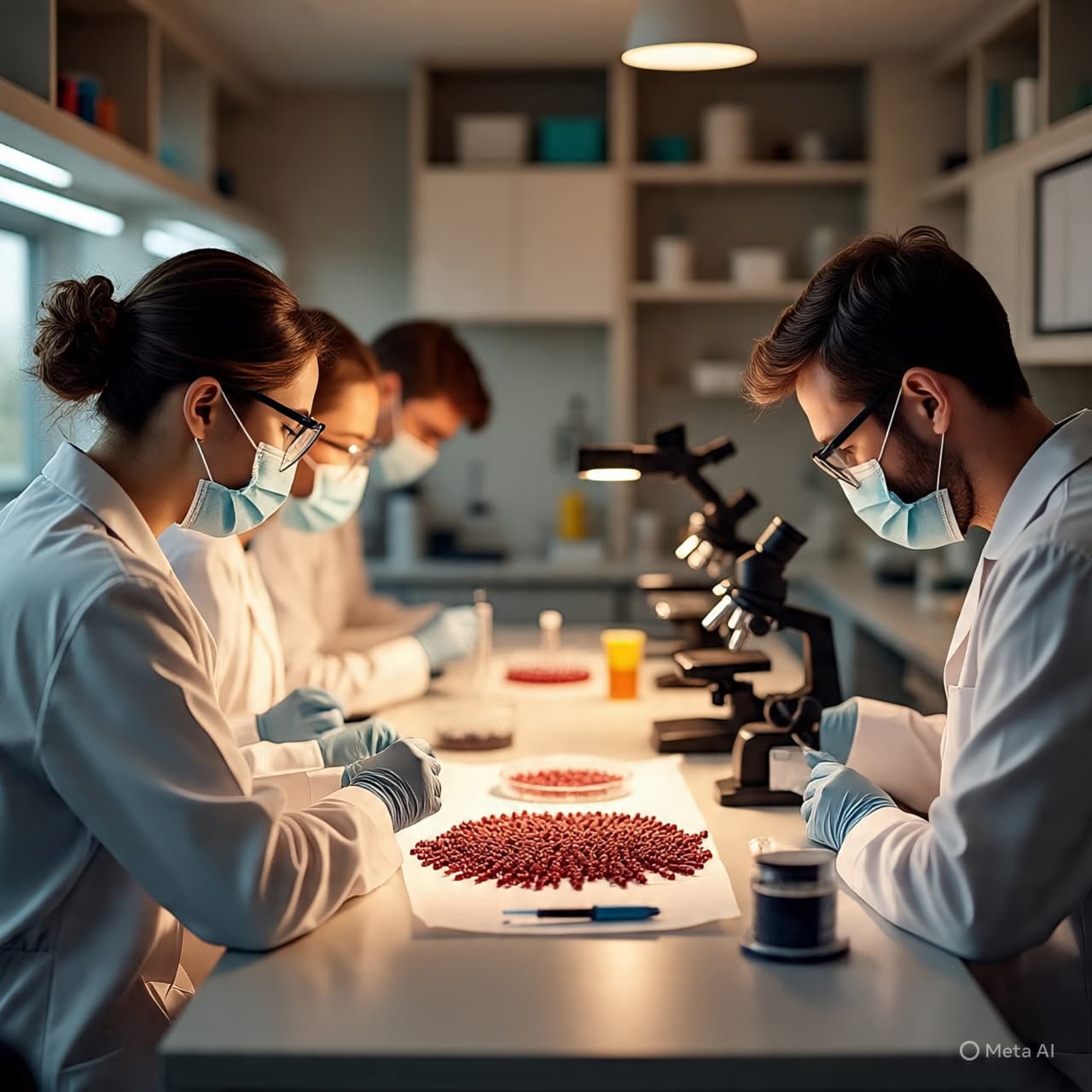
In quieter settings now, far from the urgency of lockdowns and daily case counts, the same technology is being explored with a different kind of patience. Researchers are applying mRNA techniques to cancer, not as a single, universal cure, but as a tailored approach — one that trains the immune system to recognize tumors as threats, much as it once learned to recognize a virus.
Unlike traditional cancer treatments that attack broadly, mRNA-based therapies are designed to be precise. They encode instructions that help the body identify unique markers on cancer cells, prompting an immune response shaped to the individual patient. Early trial results in cancers such as melanoma, pancreatic cancer, and certain lung cancers have shown encouraging signs, particularly when combined with existing immunotherapies.
The shift from pandemic defense to cancer treatment reflects a deeper transformation. During Covid, mRNA proved its strength in speed — the ability to move from genetic sequence to viable vaccine in record time. In oncology, speed matters less than durability. The challenge is not to stop a fast-moving virus, but to outmaneuver diseases that evolve quietly, resisting treatment and returning when least expected.
Researchers caution that this is still an unfolding story. Cancer is not one disease but many, each with its own complexity. Setbacks remain likely, and breakthroughs may arrive unevenly. Yet the confidence surrounding mRNA today is different from the hope that surrounded it during the pandemic. It is steadier, shaped by evidence rather than urgency.
What distinguishes this moment is continuity. The infrastructure built during the pandemic — manufacturing capacity, regulatory familiarity, global collaboration — did not disappear when the crisis eased. Instead, it became a foundation. Scientists who once raced against a virus are now applying the same tools with deliberation, testing combinations, refining targets, and learning how far this technology can stretch.
There is something quietly reassuring in that arc. An innovation born in emergency is being allowed to mature, to prove itself not just as a solution to a moment, but as a companion to long struggles ahead. If the pandemic revealed what science could do when pressed, this next phase may show what it can accomplish when given time.
AI Image Disclaimer
Visuals are AI-generated and serve as conceptual representations.
Sources (names only)
Nature The New England Journal of Medicine National Cancer Institute World Health Organization MIT Technology Review
Published by Banx Network. This article is part of the Banx decentralized media programme, powered by the BXE token on the XRP Ledger.