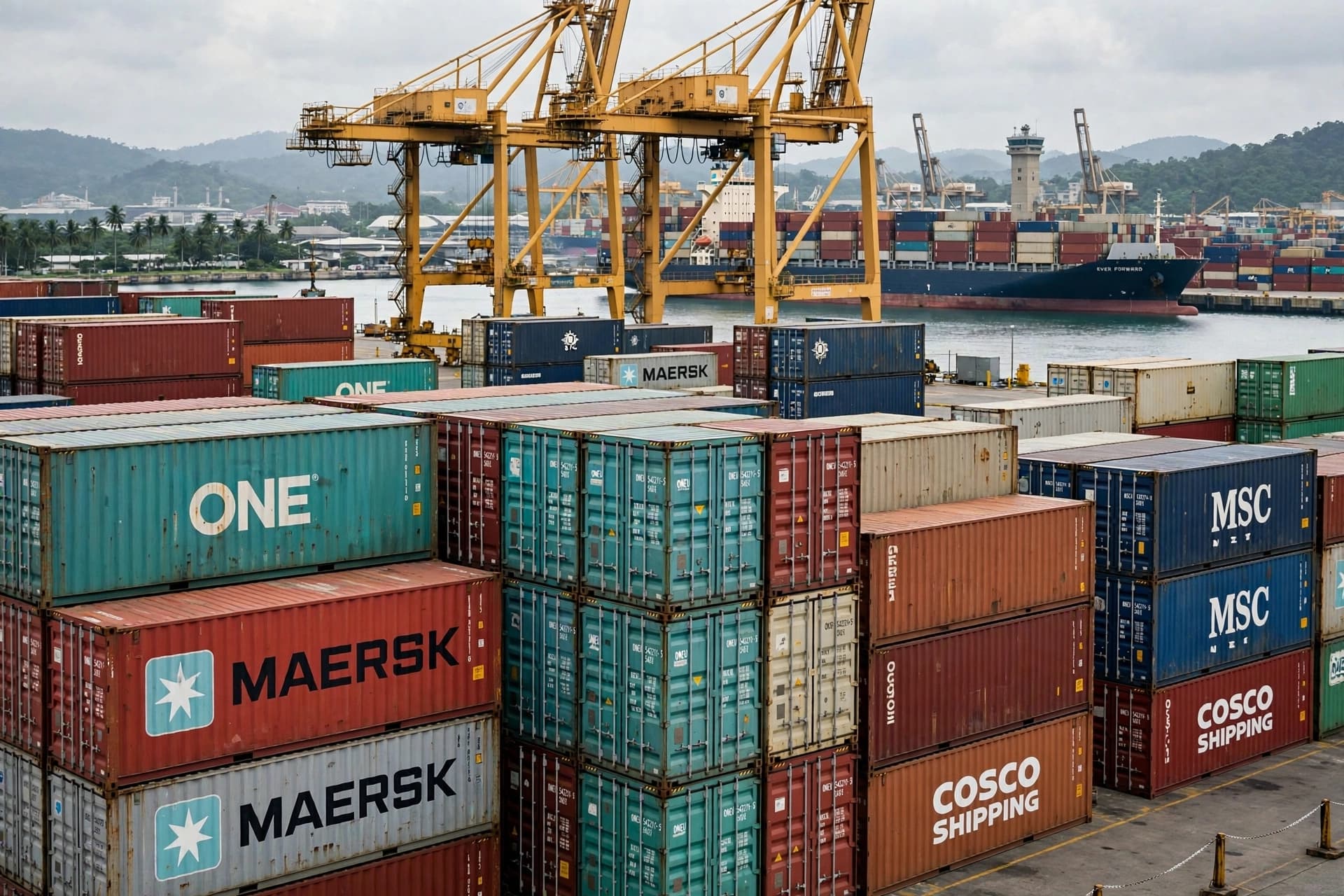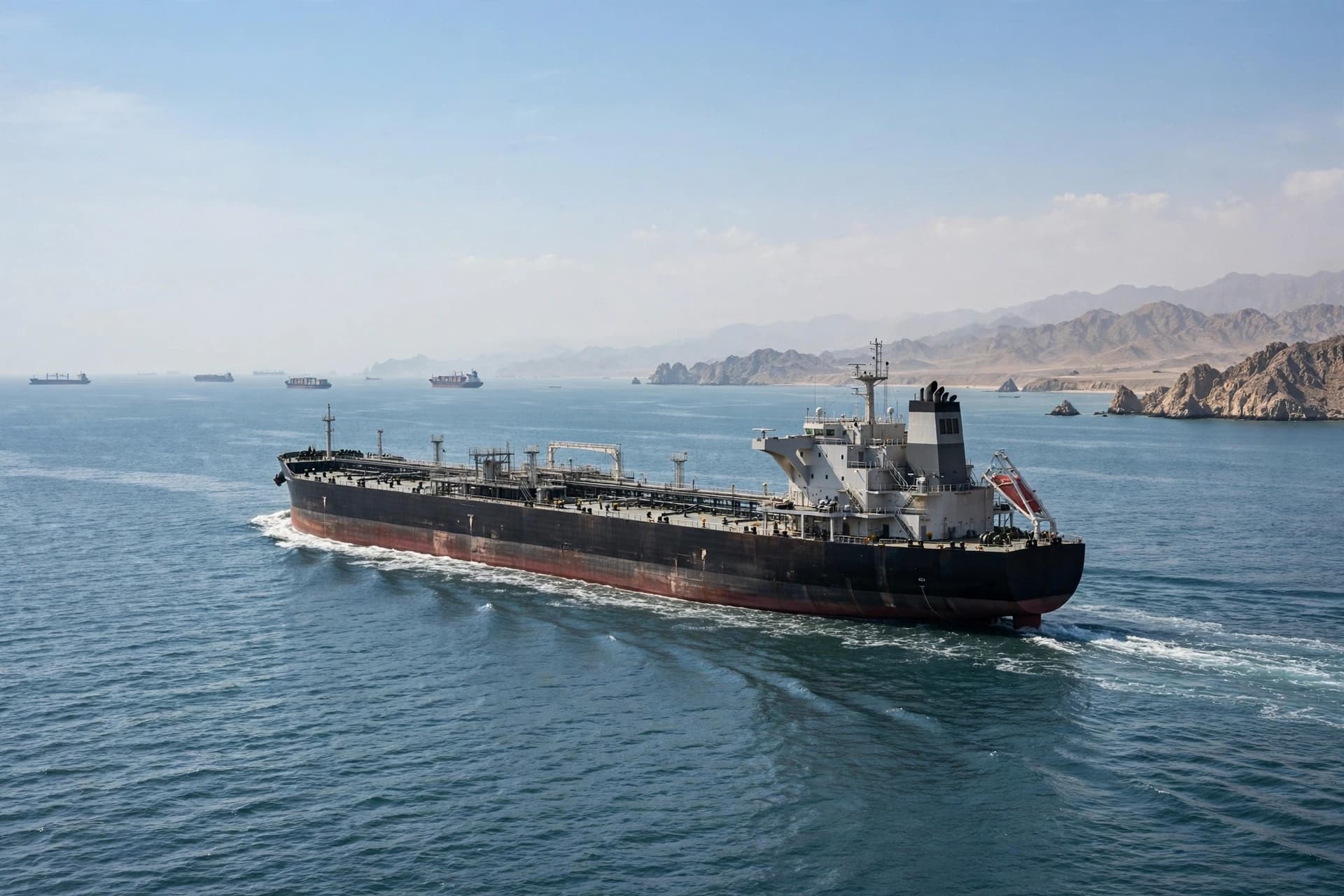
There are moments in global trade when the world seems to hold its breath—when a narrow waterway becomes the quiet center of a very loud economic conversation. The Suez Canal, long a metaphor for fragility and resilience intertwined, has once again found itself in that familiar position. And now, with the announcement that Maersk will begin partially resuming container ship transits at the start of December, the corridor feels as if it is slowly exhaling.
The move is subtle but symbolic. Maersk, one of the industry’s most influential carriers, has been cautious for months, shaping its routes around security risks and unpredictable tensions along key shipping lanes. The partial return signals neither full confidence nor full retreat—it is a recalibrated step, a reading of shifting conditions that suggests a world still negotiating between risk and necessity.
For the Suez Canal Authority, the news carries a quiet weight. Every vessel that passes through offers more than economic throughput; it restores a sense of normalcy in a period when the global supply chain has felt unusually fragile. Disruptions ripple outward quickly—into factories, shelves, and households—and a single carrier’s decision often becomes a bellwether for others.
Still, this moment does not pretend to be a grand resolution. It is more akin to a cautious handshake after a long disagreement, a gesture of trust offered in increments. Maersk’s return is partial, deliberate, and openly subject to change—mirroring the broader mood of global shipping, where confidence rarely arrives all at once.
Published by Banx Network. This article is part of the Banx decentralized media programme, powered by the BXE token on the XRP Ledger.