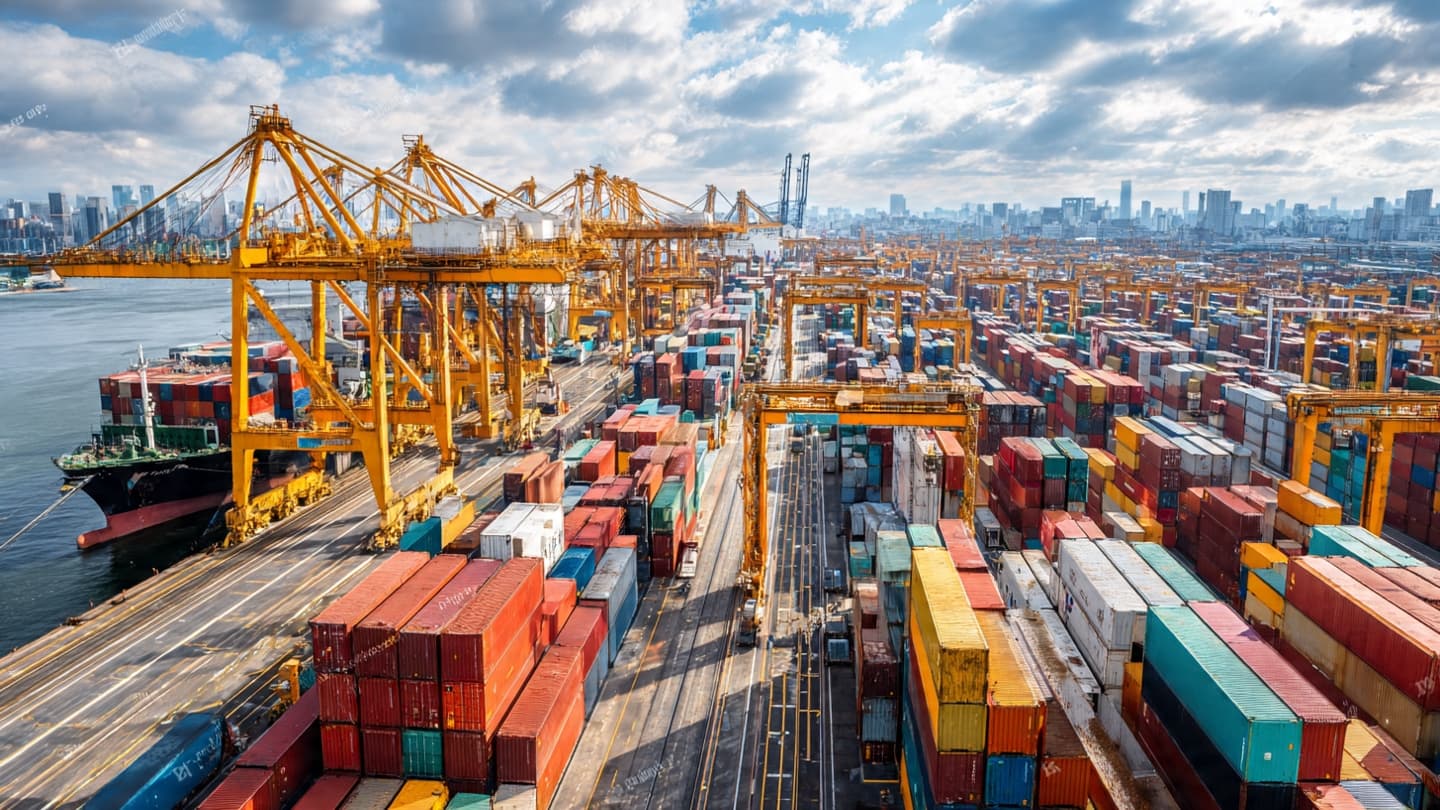
The movement of global trade resembles a vast network of rivers, where changes in one direction can influence many others. A decision made in one market can eventually reach factories, shipping routes, and consumers around the world.
New tariffs introduced by the United States are affecting international supply chains as businesses evaluate their production and distribution strategies.
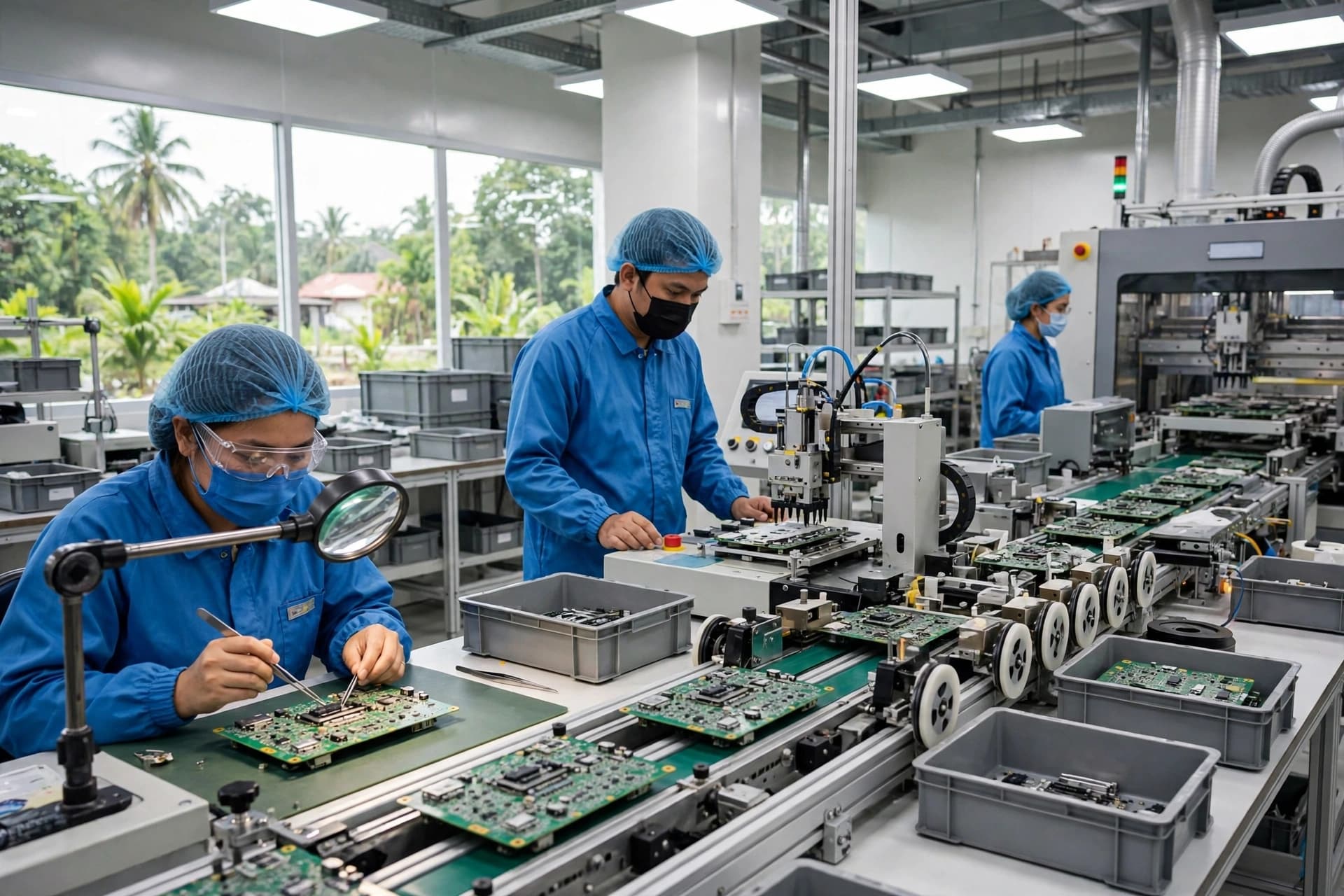
Companies involved in manufacturing, electronics, and consumer goods are examining ways to adapt to changing trade conditions. Many are reviewing supplier relationships and logistics networks.
Business Insider reported that tariff changes are creating new challenges for companies operating across international markets.
Global supply chains have become increasingly complex over recent decades. Businesses often rely on multiple countries for materials, production, and distribution.
Companies are now placing greater attention on supply chain flexibility. Diversification and regional production strategies are becoming important considerations.
The impact of tariffs varies across industries. Some companies may adjust pricing, while others may seek alternative suppliers or production locations.
As international commerce continues evolving, businesses are navigating a landscape where economic decisions and global operations remain closely connected.
AI Image Disclaimer Illustrations were created using AI tools and are conceptual representations, not authentic photographs.
Sources Business Insider Reuters Financial Times
Published by Banx Network. This article is part of the Banx decentralized media programme, powered by the BXE token on the XRP Ledger.