
Article
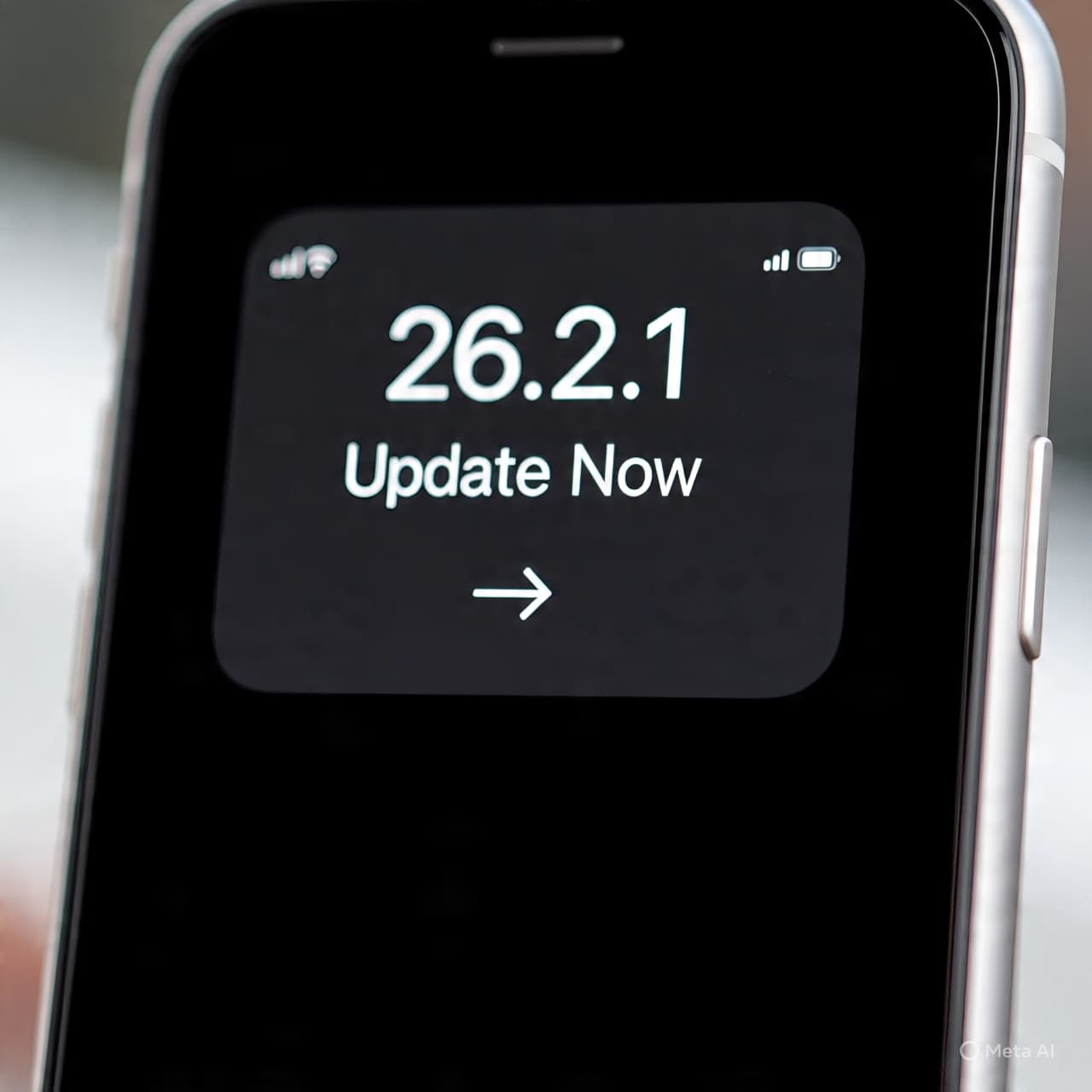
In the quiet cadence of our digital lives, the iPhone update notification often appears like a gentle nudge — a reminder that something small may be waiting behind the scenes. But on January 26, Apple’s software ecosystem surprised many when it quietly released iOS 26.2.1, a point update that arrived ahead of expectations and brought more than just invisible fixes. What might seem like a minor tweak in the version number carries with it subtle shifts in how users connect with their devices and with Apple’s expanding hardware world.
For years, Apple’s software updates have followed a familiar rhythm: major releases bring headline features, while smaller point updates address bugs and security patches. Yet iOS 26.2.1 — initially overshadowing anticipation for an iOS 26.3 — arrived with an unusual blend of enhancements and behind-the-scenes fixes, quietly bridging software and new hardware.
At its heart, this update provides support for Apple’s just-announced AirTag 2, the next generation of the popular accessory designed to help users locate personal items through the Find My network. The update enables new hardware-specific capabilities like improved Precision Finding and broader compatibility across recent iPhone models, something that older versions of iOS could not unlock. Beyond that, the release also carries general system stability improvements and a suite of bug fixes aimed at smoothing the overall experience.
What makes this release noteworthy to many users is the unexpected timing and scope. Point releases such as .2.1 typically focus narrowly on fixes, not feature support — especially for hardware products launched simultaneously. Yet Apple chose this moment to ensure that users’ devices are ready for the new AirTag’s capabilities, reflecting a subtle reworking of how the company sequences updates and hardware integration.
Unlike some updates that boast flashy interfaces or sweeping system redesigns, iOS 26.2.1’s changes are practical and connective. By bringing AirTag 2 support to millions of iPhones capable of running iOS 26, Apple is weaving software readiness into the story of its accessories. For many users, installing the update will be a quiet step toward a slightly more capable device — something that may go unnoticed until they pair the new accessory.
At the same time, Apple continued to support older hardware through simultaneous updates like iOS 18.7.4, iOS 16.7.13, and others for devices no longer eligible for iOS 26. These parallel releases ensure core services like iMessage and FaceTime continue to work on aging models — a reminder that software stewardship extends beyond the latest devices.
For many users who have grown cautious about frequent updates, the arrival of iOS 26.2.1 underlines a broader reality: Apple’s software life cycle now spans a complex web of device generations and capabilities. Updates aren’t just about new features or fixes — they are part of a larger ecosystem rhythm that includes not only iPhones but accessories and complementary operating systems like watchOS and iPadOS.
In practical terms, the update can be installed over-the-air by opening the Settings app, tapping General, and choosing Software Update. Apple’s release notes characterize iOS 26.2.1 as an update that “provides support for AirTag (2nd generation) along with bug fixes,” a line that speaks in understatement about its role in ensuring smooth integration across devices and services.
Though it won’t reshape the user experience the way larger releases do, iOS 26.2.1 reminds us that software and hardware increasingly arrive hand-in-hand in Apple’s world. In the end, what matters most might not be what’s written in headlines, but the subtle ways our devices evolve to work better together and with the many accessories that surround them.
AI Image Disclaimer Graphics are AI-generated and intended for representation, not reality.
Sources (Verified News & Tech Reports) Forbes MacRumors Beebom Gadgets Macworld Forbes (urgent iPhone updates context)
Published by Banx Network. This article is part of the Banx decentralized media programme, powered by the BXE token on the XRP Ledger.



.jpg&w=3840&q=75 "The Artemis Revolution: How NASA Plans to Build Humanity's Future on the Moon")