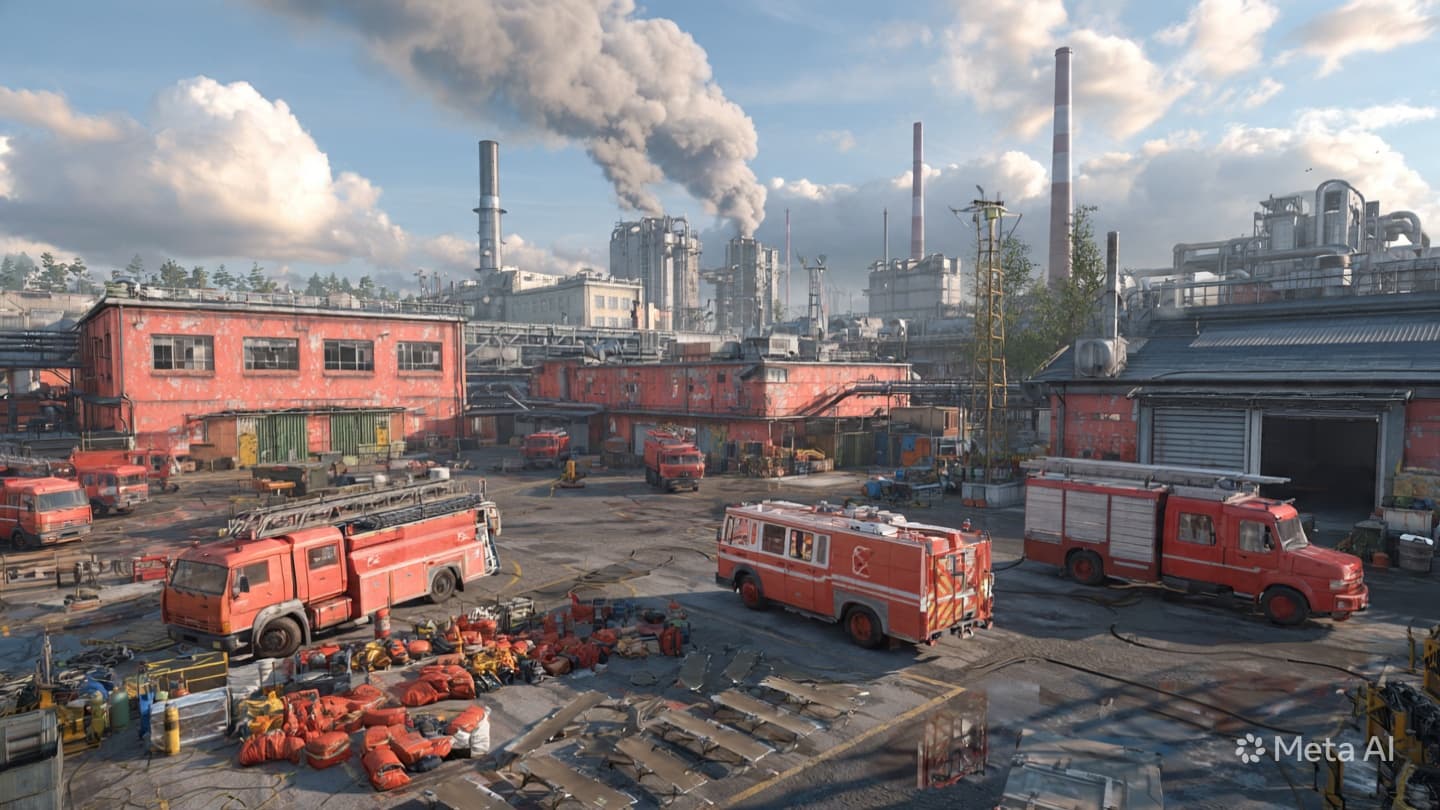
The modern factory site, with its interconnected systems of heat, motion, and production, is often envisioned as a space of rhythmic, predictable stability. Yet, beneath this veneer of efficiency lies an inherent complexity that can be unforgiving. When an industrial accident occurs, the sudden shift from the pulse of production to the sharp, immediate urgency of a rescue operation is a visceral reminder of the thin line between the mastery of industry and the volatile nature of the elements within. The recent deployment of specialized rescue teams to a factory site was a reflection of this transition, a movement of human skill into a space defined by the sudden, localized failure of mechanical order.
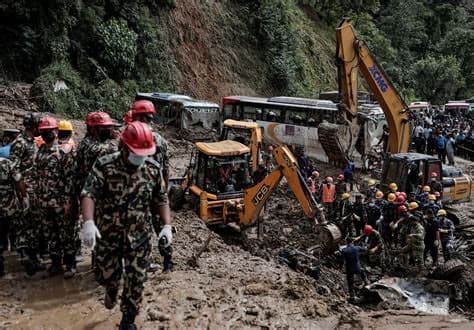
Rescue crews moved through the industrial landscape with an efficiency that was as much about the navigation of complex terrain as it was about the necessity of the mission. They are the specialists of the confined and the precarious, trained to operate within the shadows of massive machinery and the residue of industrial processes. Each move made during the extraction was deliberate, a silent acknowledgment of the danger that still lingered in the air, whether from unstable structures or the lingering energy of the site’s mechanisms. The atmosphere, thick with the scent of ozone, lubricants, and cooling metal, served as a sensory backdrop to a task that required both absolute focus and emotional restraint.
There is a profound, editorial perspective to be found in the way such teams operate. They are the first to witness the intersection of human endeavor and catastrophic failure, their work defined by a professional distance that is essential for the completion of their duties. In the hours following the accident, the factory—usually a hub of noise and motion—was rendered into a site of profound stillness. The teams, working in the low light of the facility, were tasked with retrieving those caught in the aftermath, a process that demanded not only technical prowess but the steady, calm application of protocol.
Beyond the immediate rescue, the inquiry into the accident’s cause—now a methodical examination of the site’s systems—is a process of seeking clarity. Forensic investigators, accompanied by safety engineers, are picking through the wreckage of the incident, reviewing maintenance logs, and interviewing witnesses to reconstruct the sequence of events. It is a necessary pursuit of understanding, a step designed to ensure that the failure, whatever its specific origin, is not repeated. The investigation is not merely an act of gathering evidence; it is a commitment to the safety of the space itself.
In the aftermath, the community around the factory finds itself in a state of quiet, reflective transition. The incident has cast a long shadow over the workforce, a reminder that the environment in which they spend their days carries its own inherent risks. The management’s commitment to a full review of safety protocols is a grounding reality, an acknowledgment that the promise of industrial progress must always be balanced by the absolute, non-negotiable duty of care for those who power it. It is a slow, difficult process of reclaiming the rhythm of work, while holding the memory of the event as a sobering touchstone for the future.
As the rescue crews conclude their final checks and the site remains under the supervision of the forensic team, the industrial facility sits in a state of enforced, meditative pause. The recovery of the site will be a lengthy endeavor, one that involves both the physical repair of the machinery and the emotional restoration of the workforce. For now, the focus is on the comfort of those directly affected, ensuring that they are provided with the necessary support as they navigate the aftermath. The factory, in time, will return to its motion, but the memory of the event will remain, etched into the history of the site as a reminder of the fragility of the industrial order.
The Department of Labor and Industrial Safety has confirmed that all emergency rescue operations at the factory site have concluded, with site stabilization now underway. A formal forensic review is being conducted by an inter-agency task force to determine the root cause of the equipment failure. Facility management has temporarily suspended operations in the affected sector to facilitate the investigation, and safety briefings are being held with all personnel to reinforce current occupational health standards as the company prepares for a phased return to work.
Published by Banx Network. This article is part of the Banx decentralized media programme, powered by the BXE token on the XRP Ledger.