
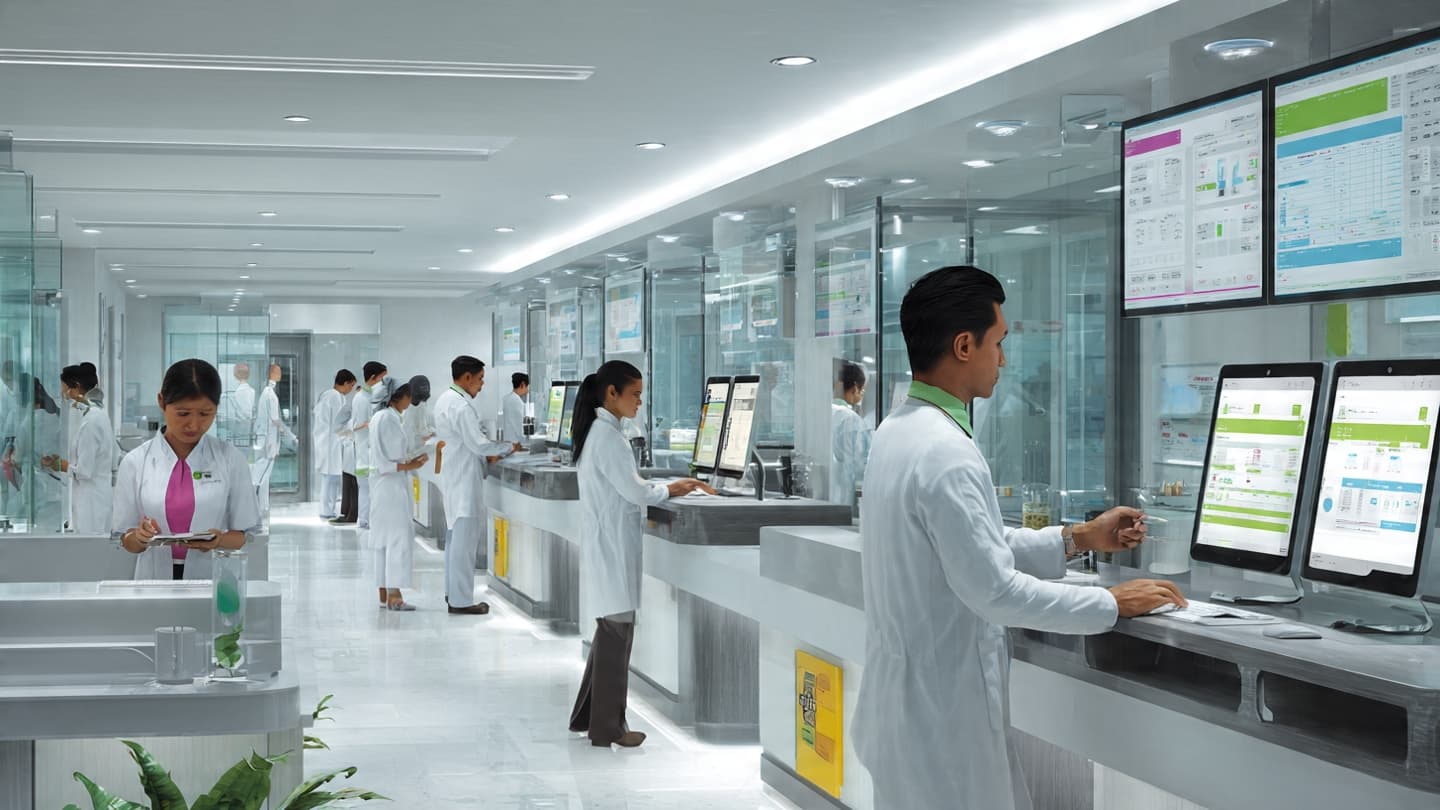
Key Highlights
- Digital Adoption:Indonesia's healthcare system is increasingly integrating digital technologies.
- Improved Efficiency:Medical institutions are enhancing patient management and operational efficiency.
- Future Challenges:Infrastructure and data security remain critical concerns in digital healthcare.
Indonesia's healthcare landscape is undergoing a significant transformation as technology becomes an integral part of medical service delivery. In recent years, healthcare providers across the archipelago have begun to adopt various digital solutions aimed at improving patient management, communication, and overall operational efficiency. This shift reflects a broader trend within the global healthcare sector, where digital innovations are reshaping how medical services are accessed and delivered.
The integration of electronic medical records, digital consultation platforms, and healthcare applications is at the forefront of this transformation. These technologies enable healthcare providers to organize patient information more effectively, streamline communication between professionals, and enhance the overall patient experience. As hospitals and medical facilities explore these digital solutions, they are not only improving service delivery but also fostering stronger connections between healthcare professionals and patients.
One of the primary benefits of adopting digital healthcare solutions is the potential for improved patient care. By utilizing advanced systems that support medical decision-making, healthcare providers can offer more personalized and timely services. This is particularly important in a diverse country like Indonesia, where access to quality healthcare can vary significantly between urban and rural areas. The digital shift aims to bridge these gaps, ensuring that all citizens have access to essential medical services.
However, the expansion of technology in healthcare is not without its challenges. As Indonesia continues to develop its technology-based healthcare services, attention must be paid to critical factors such as infrastructure, data security, and the digital skills of healthcare workers. Ensuring that medical professionals are adequately trained to use these technologies is essential for maximizing their benefits and minimizing risks associated with data breaches or system failures.
The Indonesian government, alongside various stakeholders, is actively working to strengthen the accessibility and quality of medical care through digital innovations. Initiatives aimed at enhancing the interoperability of health systems and promoting the use of telemedicine are already underway. These efforts are expected to not only improve healthcare delivery but also contribute to better health outcomes for the population.
As the digital transformation of Indonesia's healthcare system progresses, it will be crucial to monitor its impact on patient care and the overall efficiency of medical services. The ongoing developments in this sector will likely serve as a model for other countries in the region looking to modernize their healthcare systems.
Published by Banx Network. This article is part of the Banx decentralized media programme, powered by the BXE token on the XRP Ledger.



