The movement of Iranian oil depends on a complex network of tankers, ports, shipping companies, insurers, financial arrangements, and buyers. When restrictions affect one part of that network, the consequences can extend through the entire trading chain.
Iran has remained an important oil producer despite years of restrictions on its energy sector. Its crude exports have continued through a combination of established commercial relationships, alternative shipping arrangements, and methods designed to navigate restrictions.
Shipping restrictions can nevertheless make those movements more complicated. Tankers may face difficulties obtaining insurance, accessing certain ports, securing services, or completing financial transactions associated with international trade.
For buyers, restrictions can also create additional uncertainty. Purchasing Iranian crude may involve greater logistical and financial considerations than transactions involving oil from markets with fewer restrictions.
The effect is not limited to Iran itself. Oil is traded within a global market in which transportation routes, supply expectations, and geopolitical developments can influence commercial decisions far beyond the immediate region.
For Iran, slower or disrupted exports can affect foreign-currency earnings and government revenues. Oil remains an important source of external income, making the ability to move crude from production fields to international buyers a central part of the country's economy.
The situation also demonstrates how modern energy trade depends on infrastructure that is often invisible to consumers. Tankers, ports, insurers, banks, brokers, and shipping routes form a chain that must continue moving for crude to reach its destination.
As shipping restrictions evolve, Iran’s oil trade continues to operate within a narrower and more complicated maritime environment. The movement of each tanker becomes part of a larger economic picture, where the direction of the sea can matter almost as much as the price of the oil itself.
SEO SLUG
iran-oil-exports-shipping-restrictions-crude-routes-2026
HASHTAGS
#Iran #Oil #Energy #CrudeOil #Shipping #GlobalEnergy #OilTrade #Business
IMAGE DISCLAIMER
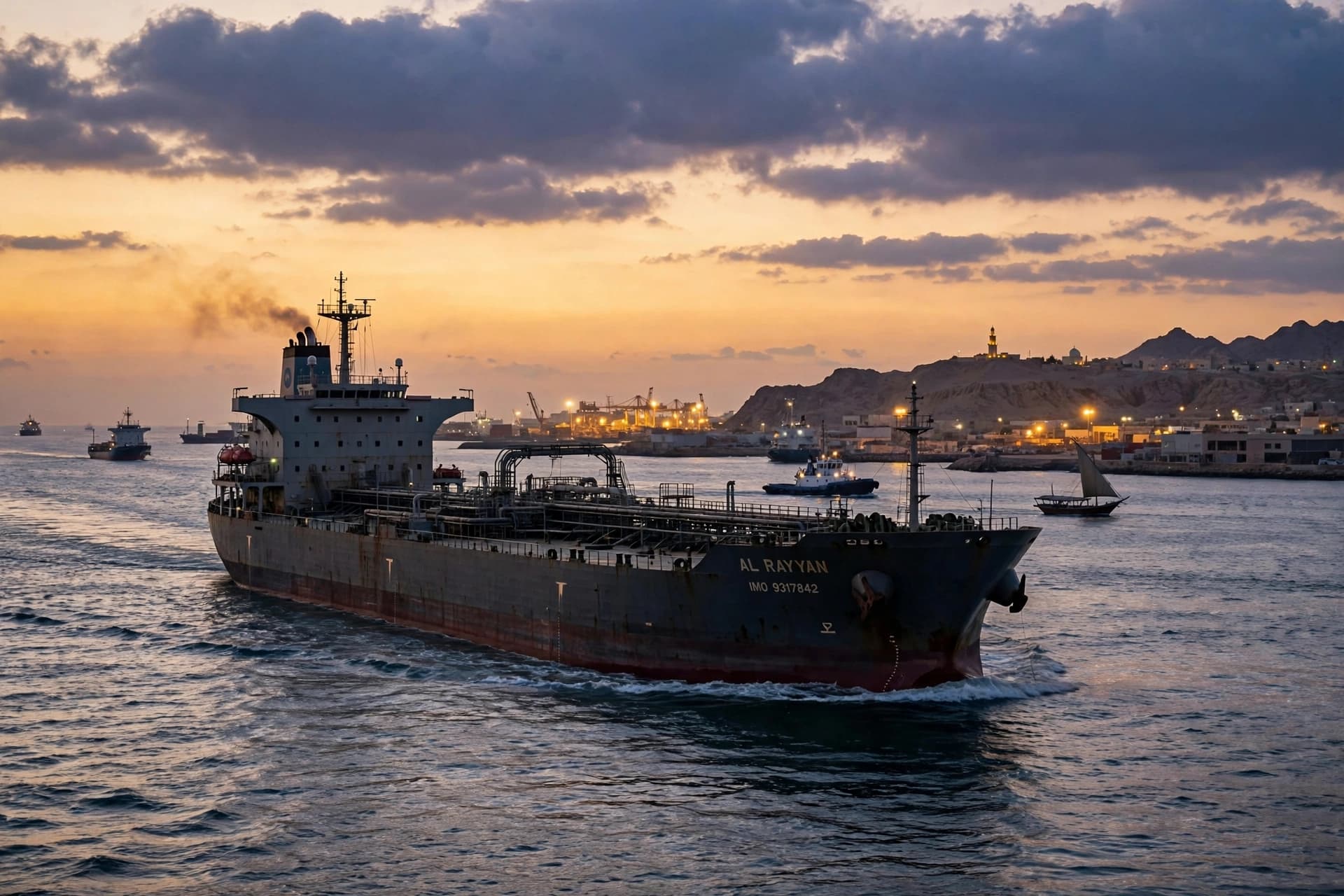
This AI-generated image is a conceptual editorial representation of Iran’s oil transportation and shipping challenges and does not depict an actual tanker, route, or specific event.
SOURCES
Reuters International Energy Agency U.S. Energy Information Administration
Published by Banx Network. This article is part of the Banx decentralized media programme, powered by the BXE token on the XRP Ledger.