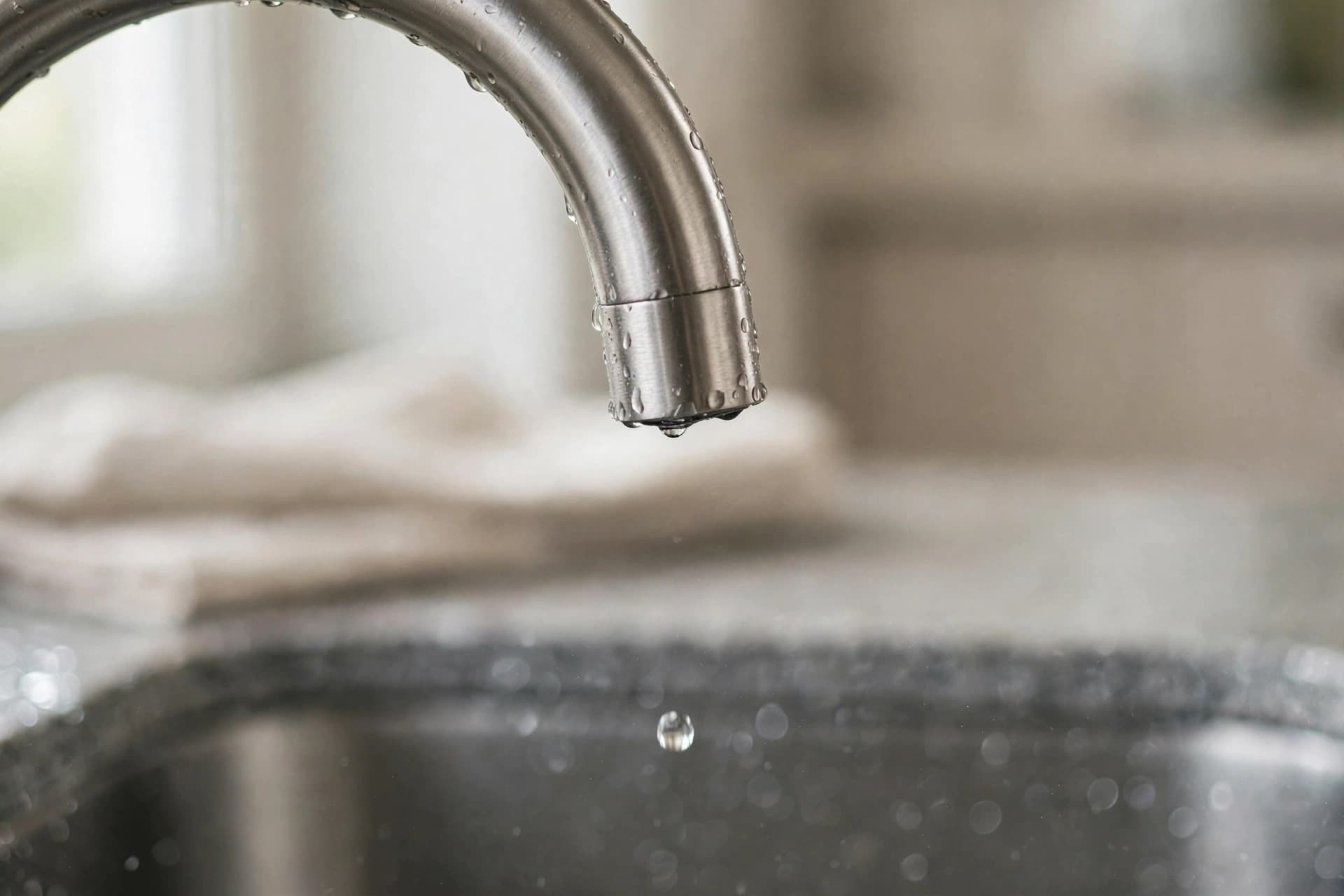
Water is the quietest of necessities. It arrives through pipes we rarely think about, flows from taps we turn without ceremony, and disappears into drains we do not watch. It is only when the bill arrives—or when the water does not—that we remember how much we depend on this simplest of resources.
A new study from the nonprofit Food & Water Watch has found that American households are paying 62 percent more for drinking water than they did a decade ago, an increase that outpaces inflation, grocery prices, and household income growth . The analysis examined billing data from the 500 largest community water systems, which together serve about 155 million people, or 45 percent of the country .
The numbers tell a story of quiet strain. In 2025, the average household using 60,000 gallons of water paid $531 for drinking water service, with annual bills ranging from $133 at the cheapest system to $1,416 at the most expensive . Water prices rose 1.6 times faster than overall inflation between 2015 and 2025; consumer prices increased 39 percent during that period, compared with a 62 percent jump in water bills . Water costs also rose more than twice as fast as groceries .
The burden falls unevenly. Food & Water Watch found that water bills exceeded its affordability threshold in 93 percent of systems, costing more than 1.5 percent of income for the poorest fifth of households. Only Idaho and Utah stayed below that threshold. In West Virginia and Puerto Rico, water bills consumed roughly 11 percent and 20 percent of income for low-income households, respectively—what the study described as “simply unaffordable by any metric” .
The causes are layered. Aging infrastructure, federal disinvestment, and the costs of adapting to climate change all play a role. The 2021 Bipartisan Infrastructure Law provided roughly $50 billion over five years for water infrastructure, but that funding is expected to fall by about 63 percent in the 2027 fiscal year . The Trump administration is also proposing to sharply reduce the state revolving funds that help finance local water projects .
Ownership matters, too. The study found that for-profit water systems charged the average household $823 a year, compared with $494 for publicly owned systems—a difference of $329, or 67 percent. Corporate systems accounted for just 11 percent of the systems analyzed but represented 44 percent of the 25 most expensive .
There is also a newer pressure on the horizon. The artificial intelligence boom is adding demand on some local water systems, though the full impact on residential bills is expected to emerge more slowly than on the electricity side . For now, the immediate concern is the basic affordability of a resource that no household can do without.
Water is not optional. It is the foundation of health, of hygiene, of life itself. When its cost rises faster than the ability to pay, the question is not merely economic. It is a question of what kind of society we are building, and who gets to belong to it.
AI Image Disclaimer: This article contains AI-generated images intended for illustrative purposes only.
Sources: The Guardian, Bloomberg, Food & Water Watch, Bluefield Research, Inside Climate News, The Detroit News
Published by Banx Network. This article is part of the Banx decentralized media programme, powered by the BXE token on the XRP Ledger.