The agricultural day has traditionally begun with sunrise. In parts of Japan, however, the sun is now becoming something farmers try to avoid. As summer temperatures intensify, harvesting and other work are moving into the darkness of early morning and night.
Japanese farmers are changing their schedules to protect themselves, crops and livestock from increasingly dangerous heat, according to Reuters. Some farmers now begin work during the night or before dawn, when temperatures are lower and physical labor is safer.
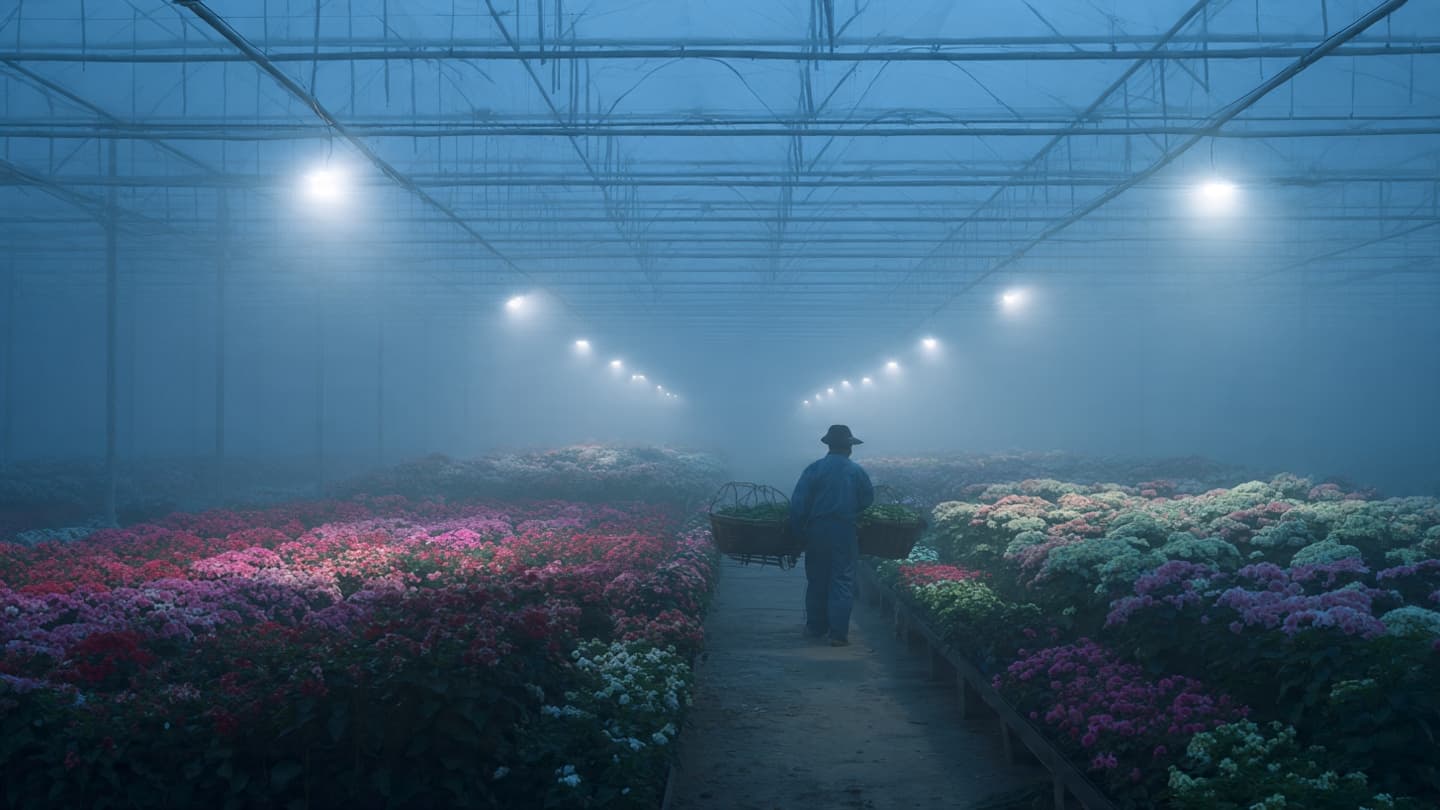
For flower farmer Motoaki Iijima, the adjustment followed a heatstroke incident involving a worker inside a greenhouse. Temperatures in the structure can exceed 40°C, turning an environment designed to protect plants into a hazardous workplace during the hottest part of summer.
The changes are not limited to people. Poultry farmers are also adjusting routines as animals struggle with heat. One farmer reported waking his hens at 2:30 a.m. so they could eat before temperatures climbed, while sudden heat spikes continued to cause losses.
Japan's agricultural workforce faces an additional challenge because it is aging. About 70% of farmers are 65 or older, according to Reuters, meaning that physical exposure to extreme heat can become particularly difficult for a workforce already approaching retirement age.
Heat has also become an economic issue. Reuters reported that heat-related productivity losses cost Japan's agriculture hundreds of millions of labor hours, while broader losses across sectors reached tens of billions of dollars. The numbers show how temperature can move from an environmental condition into a measurable business cost.
The Japanese government introduced workplace safety regulations in 2025 aimed at reducing heat-related risks. Farmers are also exploring smart agriculture technologies that can monitor conditions and reduce the amount of time workers must spend in dangerous environments.
Yet technology cannot solve every problem. Harvesting flowers, caring for animals and inspecting crops often still require human presence. For some farmers, the most immediate adaptation is therefore remarkably simple: change the clock.
Working at night brings its own complications. Lighting, transportation and fatigue must all be managed, and agricultural routines can become more demanding when they are spread across unusual hours. Still, for many workers, cooler temperatures can make the difference between completing a task safely and facing serious heat exposure.
Japan's farms are therefore becoming places where climate adaptation can be seen in the rhythm of daily work. The fields remain familiar, but the hours have changed. As summer heat becomes more intense, the agricultural calendar is increasingly being rewritten not by tradition, but by temperature.
SEO-friendly Slug japan-farmers-night-work-extreme-heat-agriculture-2026
Hashtags #Japan #Health #ClimateChange #Agriculture #Heatwave #Science #Environment
Image Disclaimer These images were created using AI tools for illustrative purposes and do not depict the specific farmers, farms, or incidents described.
Sources Reuters
Published by Banx Network. This article is part of the Banx decentralized media programme, powered by the BXE token on the XRP Ledger.