Morning sunlight arrives across Indonesia almost without ceremony, spreading over rooftops, plantations, factories and long stretches of open land. For a country built across thousands of islands, that familiar light is increasingly being considered not only part of the landscape, but also part of the infrastructure of economic growth.
Indonesia is prioritizing solar power as a central element of its transition toward greener industrial development. Coordinating Minister for Economic Affairs Airlangga Hartarto said on August 20 that the country is targeting around 100 gigawatts of solar capacity within two to three years.
The scale of the ambition is substantial. Solar power has been expanding globally as technology costs fall and countries seek electricity sources that can reduce dependence on fossil fuels. Indonesia's geography provides a natural foundation, with substantial sunlight available across much of the archipelago.
The government is also preparing a major procurement process. The Jakarta Post reported that Indonesia plans to begin a 30-gigawatt tender as part of the broader 100-gigawatt solar-power push.
For industry, electricity is more than a utility. It is part of the cost structure behind factories, processing facilities, data centers and transportation systems. A larger supply of renewable electricity could therefore become increasingly relevant as Indonesia seeks to expand manufacturing and other energy-intensive activities.
The transition also requires infrastructure beyond solar panels themselves. Electricity generated during daylight hours must be integrated into a national grid capable of balancing supply and demand across different regions.
Energy storage can become another part of that equation. Batteries and other storage technologies can help manage fluctuations in renewable generation, although their cost, availability and integration into the grid remain important considerations.
Indonesia is simultaneously strengthening cooperation with international partners on renewable energy and skills development. The Indonesian and German governments announced expanded cooperation in new and renewable energy as well as education and vocational training.
Such cooperation points toward another dimension of the transition: people. Solar installations require engineers, technicians, construction workers, maintenance specialists and professionals capable of managing increasingly sophisticated electricity systems.
The economic opportunity extends beyond electricity generation. A larger solar industry can create demand for manufacturing, installation, engineering services and supporting infrastructure, potentially linking clean-energy development with domestic industrial activity.
Yet the scale of the target also makes implementation important. Projects must move from plans and tenders to financing, construction and reliable operation. Grid connections and land availability will also shape how quickly capacity can be added.
For now, Indonesia's solar ambition marks a significant shift in the country's energy landscape. Across the same islands where sunlight has long been part of daily life, that sunlight is increasingly being viewed as an industrial resource—one that could help power factories, businesses and a more renewable electricity system.
Image Disclaimer
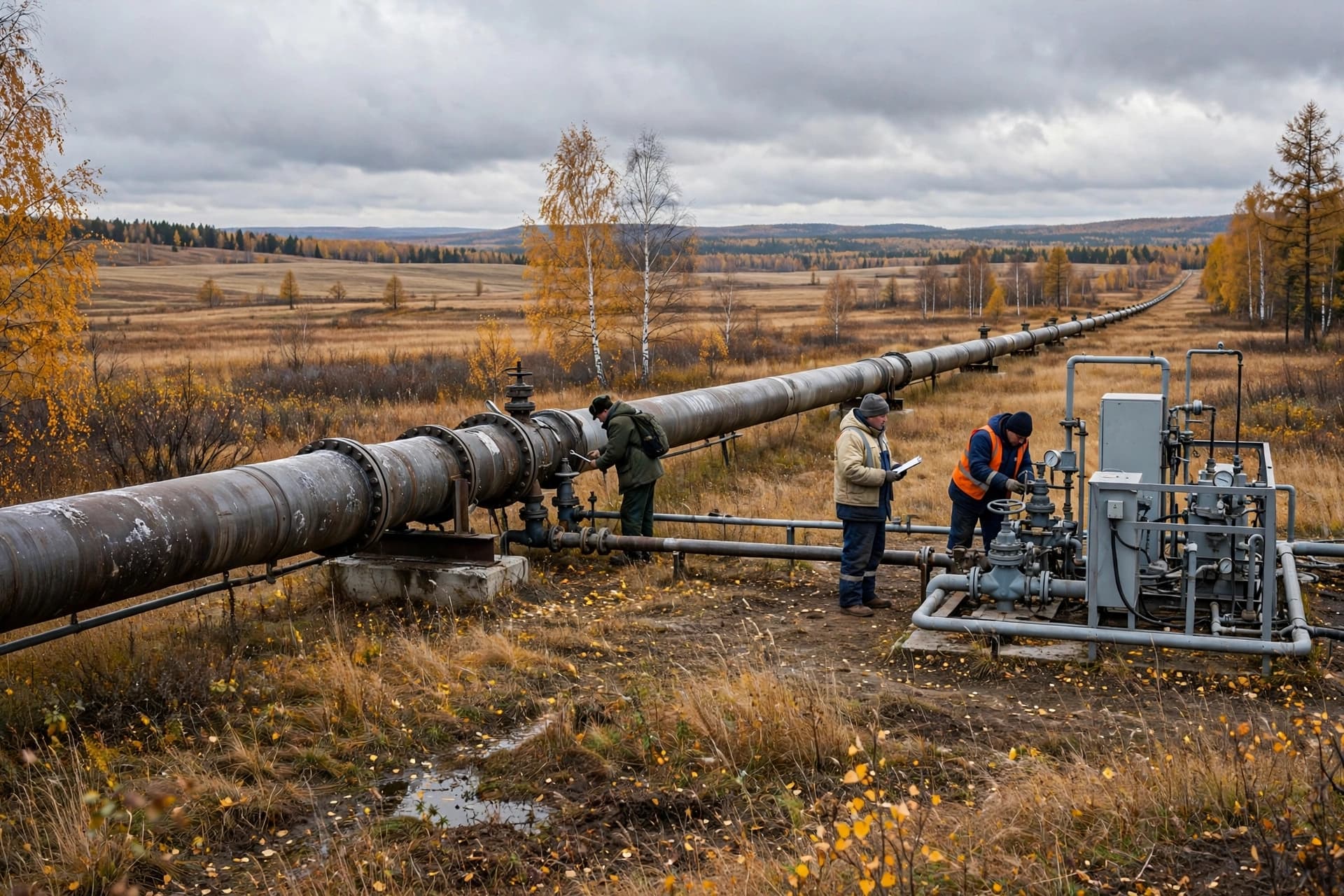
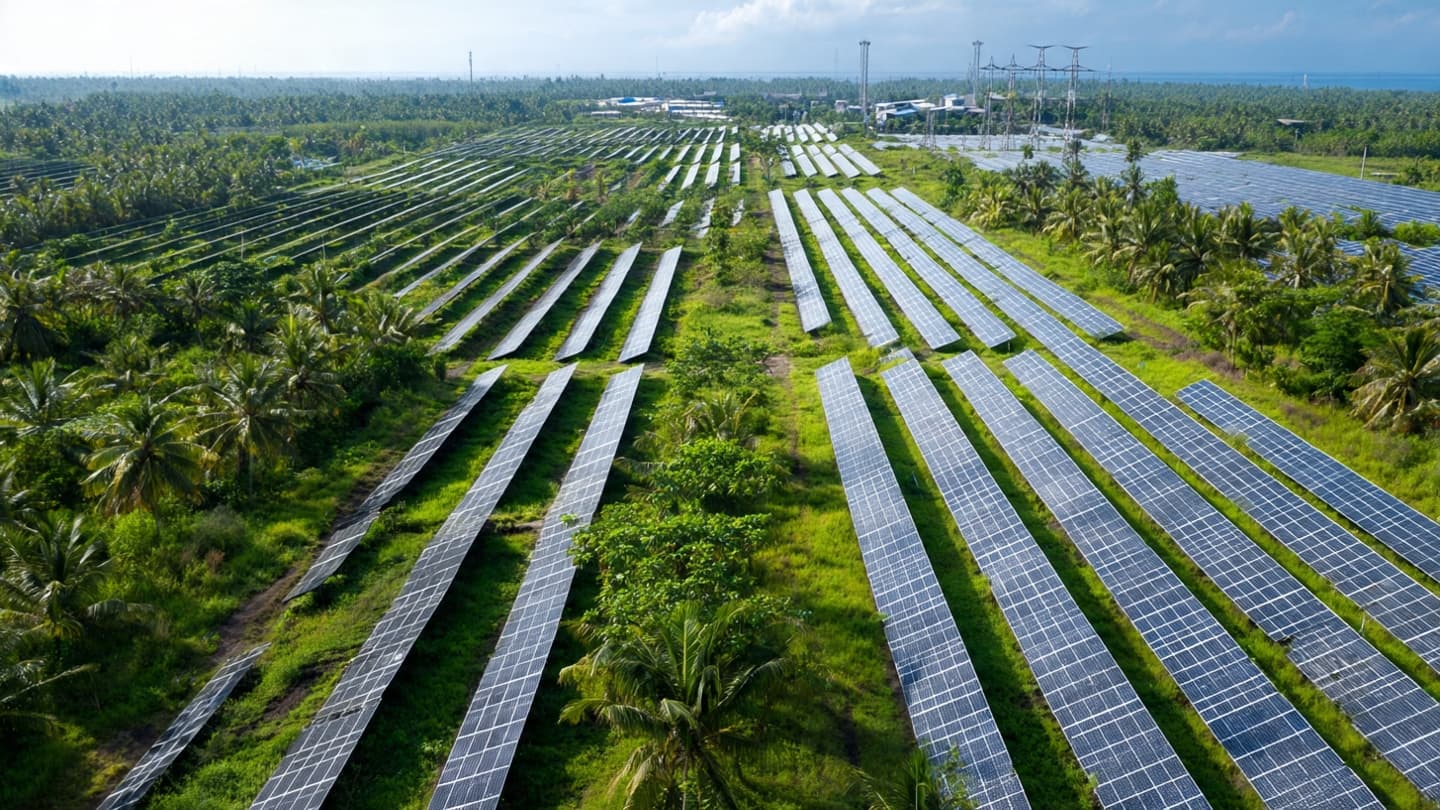
The visuals were generated using AI and are conceptual representations of Indonesia’s solar-energy development, not photographs of actual projects.
Sources
ANTARA The Jakarta Post Ministry of Energy and Mineral Resources Ministry of Economic Affairs Reuters
Published by Banx Network. This article is part of the Banx decentralized media programme, powered by the BXE token on the XRP Ledger.