In Formula One, the sound of speed often comes with another, quieter soundtrack — the voices carried through headsets and radio waves between driver and team. These conversations are usually brief and technical, fragments of strategy spoken at nearly 300 kilometers per hour. Yet sometimes, in the heat of competition, the radio becomes something more human: a small window into the emotions of a driver navigating the fine edge between control and chaos.
During a tense race weekend, that window briefly opened around Max Verstappen, the three-time world champion whose calm dominance has often defined the modern era of the sport. But even champions occasionally find themselves caught in the friction of racing’s unpredictable rhythm. A crash earlier in the event, followed by a candid radio exchange in which Verstappen remarked that he was “not having fun at all,” became the focus of conversation across the Formula One paddock.
The comment itself was brief, almost passing, yet it echoed widely once it surfaced beyond the private space of team communications. Radio messages in Formula One have increasingly become part of the sport’s public narrative, broadcast during races and shared across digital platforms. What might once have remained within the team garage can now travel instantly to millions of viewers, sometimes amplifying moments of frustration that drivers might otherwise leave behind with the checkered flag.
For Verstappen, the weekend had already carried its share of challenges. A collision earlier in the race sequence disrupted his momentum and forced the Red Bull driver into a position that felt unfamiliar. For a competitor accustomed to leading the field, battling through the pack can transform the tone of a race from calculated precision into something closer to survival. Every corner becomes a negotiation, every overtake a small gamble against the limits of grip and timing.
In that context, Verstappen’s remarks appeared less like an outburst and more like a fleeting glimpse of fatigue. Racing drivers often speak of the delicate balance between confidence and frustration, a psychological space where even the smallest setbacks can ripple through a race weekend. The intensity of Formula One — the speed, the pressure of expectation, and the relentless scrutiny — rarely allows those moments to remain private for long.
The situation became more complicated when additional audio from the team radio circulated online, revealing a sharper tone during exchanges with his race engineer. In the compressed language of racing strategy, where decisions are made in seconds, such tension is not uncommon. Yet the public visibility of the conversation added another layer to the narrative surrounding the weekend.
Observers across the paddock noted that frustration during races is hardly unique to Verstappen. Team radio archives across decades are filled with similar moments — reminders that even the most disciplined drivers are still navigating the emotional terrain of competition. The difference today lies in how quickly those moments spread beyond the circuit, becoming topics of discussion among fans and analysts alike.
Despite the tension of the weekend, Verstappen’s broader record remains largely unchanged. Over recent seasons he has built one of the most dominant stretches in Formula One history, combining consistency with a calm precision that often leaves little room for drama. In that light, the frustration heard over the radio may say less about a deeper problem and more about the natural volatility of racing itself.
Drivers frequently speak of Formula One as both art and endurance, a sport where mechanical perfection and human patience must coexist. When either element falters, even briefly, emotions can surface through the static of a radio transmission.
By the close of the race weekend, attention had already begun to shift toward the next round of the championship. The calendar moves quickly in Formula One, leaving little time to dwell on a single moment. Verstappen and Red Bull are expected to continue preparing for the upcoming race as the season progresses.
In the end, the brief phrase that echoed through the paddock — “not having fun at all” — may simply remain what it first was: a passing remark spoken in the middle of a difficult race, carried farther than perhaps anyone inside the cockpit expected.
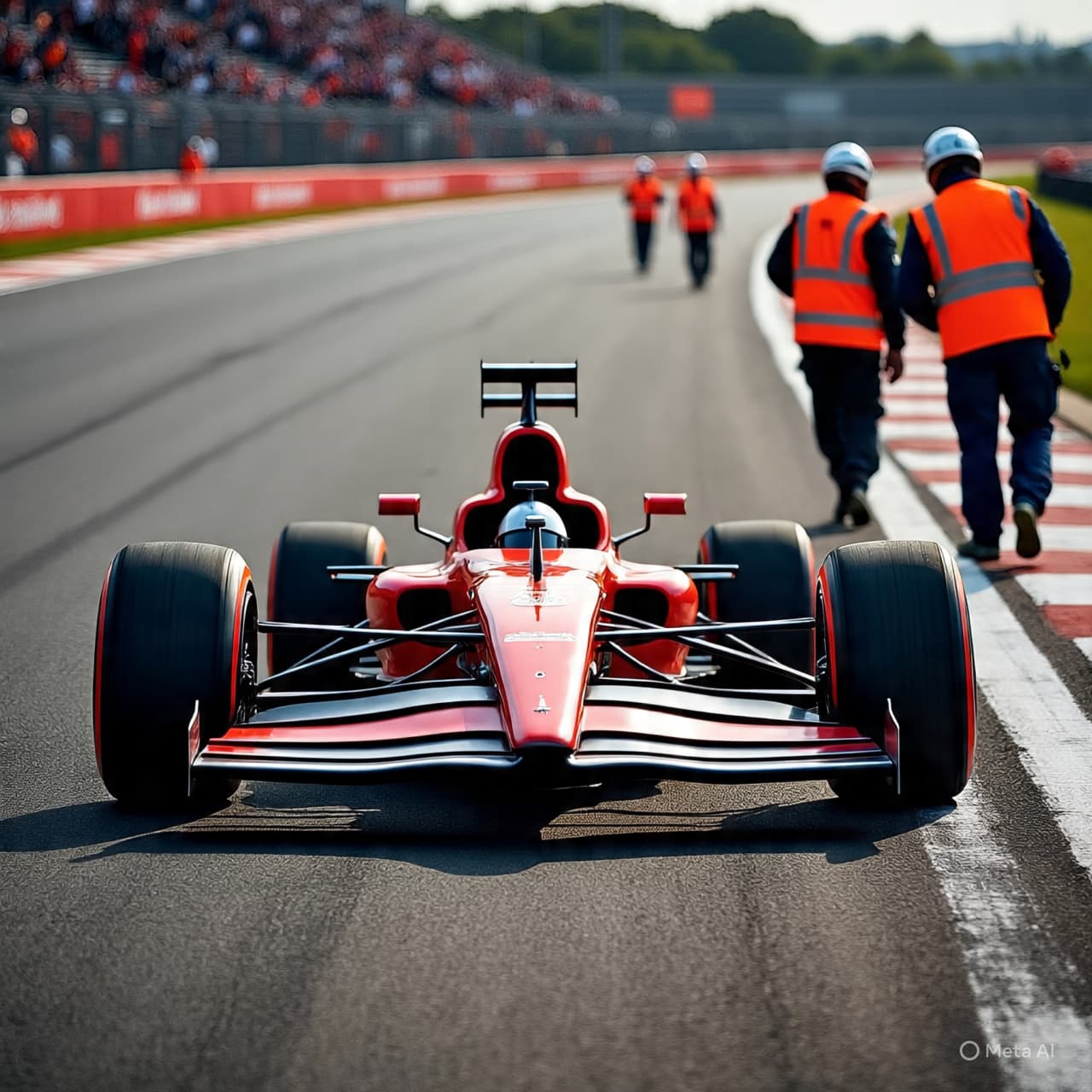
AI Image Disclaimer Graphics are AI-generated and intended for representation, not reality.
Source Check Credible mainstream sports media reporting on the incident and reaction exist:
ESPN Sky Sports Autosport Motorsport.com BBC Sport
Published by Banx Network. This article is part of the Banx decentralized media programme, powered by the BXE token on the XRP Ledger.