Inside modern hospitals and medical laboratories, technology is beginning to move with a rhythm once associated mainly with science-fiction stories. Machines can now assist with analysis, support complex procedures, organize medical information, and help professionals make decisions. In Indonesia, the growing presence of artificial intelligence and medical robotics is creating new possibilities while also raising important questions about regulation.
Laboratory professionals and medical-equipment specialists have urged the development of regulations that can adapt to technological change. Their concern is not simply about whether new machines should be permitted, but also about how they should be tested, monitored, certified, and integrated into existing healthcare systems.
Artificial intelligence is already influencing many areas of medicine around the world. It can assist in reviewing medical images, identifying patterns in laboratory results, managing patient records, and supporting research. Medical robotics, meanwhile, can be used in surgical assistance, rehabilitation, logistics, and other specialized tasks.
These developments may improve efficiency and expand access to certain services. They may also help healthcare workers handle large volumes of information and reduce the burden of repetitive procedures. Yet the use of advanced technology in medicine requires a level of care that goes beyond ordinary consumer products.
A medical device operates in an environment where mistakes can have serious consequences. An inaccurate laboratory result, an incorrect recommendation, or a malfunctioning robotic system may affect treatment decisions and patient safety. For that reason, regulation must consider not only innovation but also reliability, accountability, and human oversight.
Professionals in Indonesia are therefore emphasizing the importance of rules that can evolve alongside technology. Regulations that are too rigid may slow the introduction of useful innovations. On the other hand, regulations that are too weak may leave hospitals, laboratories, and patients exposed to uncertain risks.
The challenge also involves the readiness of healthcare institutions. New technologies require trained personnel, reliable infrastructure, cybersecurity protection, maintenance systems, and clear procedures for handling errors. Without these supporting elements, even sophisticated equipment may fail to deliver its intended benefits.
Indonesia’s geographical and economic diversity adds another layer to the discussion. A system that works well in a major urban hospital may be difficult to implement in a smaller facility with limited funding or fewer technical specialists. Adaptive regulation must therefore recognize differences in resources while maintaining basic standards of safety and quality.
The discussion around artificial intelligence and medical robotics is ultimately about the relationship between machines and human judgment. Technology may process information quickly and perform precise tasks, but healthcare still depends on communication, responsibility, empathy, and professional experience.
As Indonesia considers the next stage of medical innovation, the development of responsive regulation may become as important as the technology itself. The goal is not to prevent change, but to ensure that change enters hospitals and laboratories in a way that remains safe, understandable, and centered on the needs of patients.
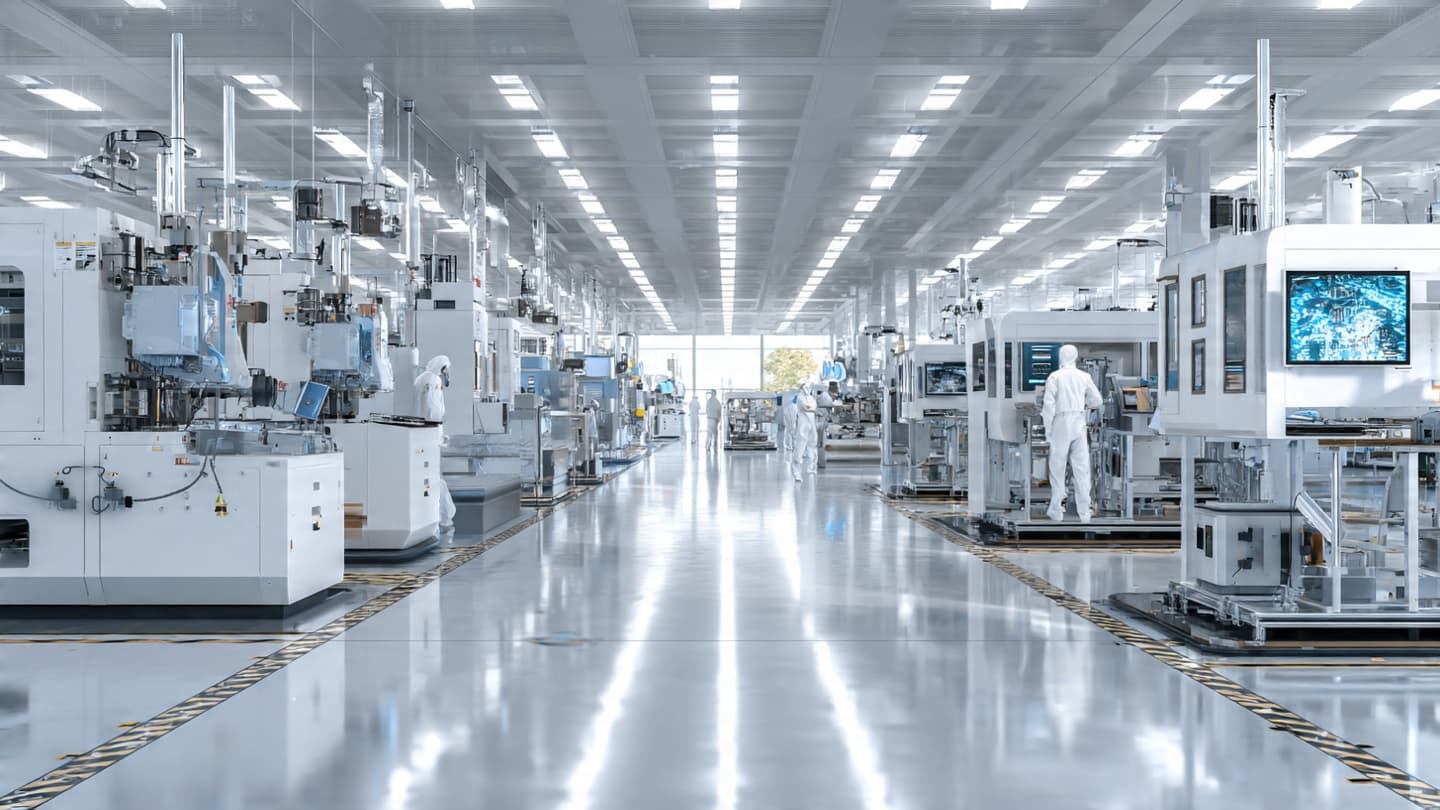
AI IMAGE DISCLAIMER: The illustration accompanying this article is AI-generated and is intended for editorial visualization only. It does not represent an actual hospital, medical procedure, patient, or official photograph.
SOURCES: Bisnis.com Indonesian laboratory and medical-equipment professional associations Indonesian healthcare technology reports
Published by Banx Network. This article is part of the Banx decentralized media programme, powered by the BXE token on the XRP Ledger.