Under the bright lights of a Beijing exhibition hall, machines that once seemed designed mainly to impress are being asked a quieter question: what can they actually do? Humanoid robots are no longer simply walking across stages. Their makers are increasingly demonstrating them sorting parcels, handling objects and performing tasks designed to resemble real work.
More than 300 mostly domestic companies attended the World Robot Conference in Beijing this week, displaying more than 2,000 exhibits and launching over 150 products, according to organizers. Reuters reported that the industry's focus is increasingly shifting from spectacle toward practical commercial applications.
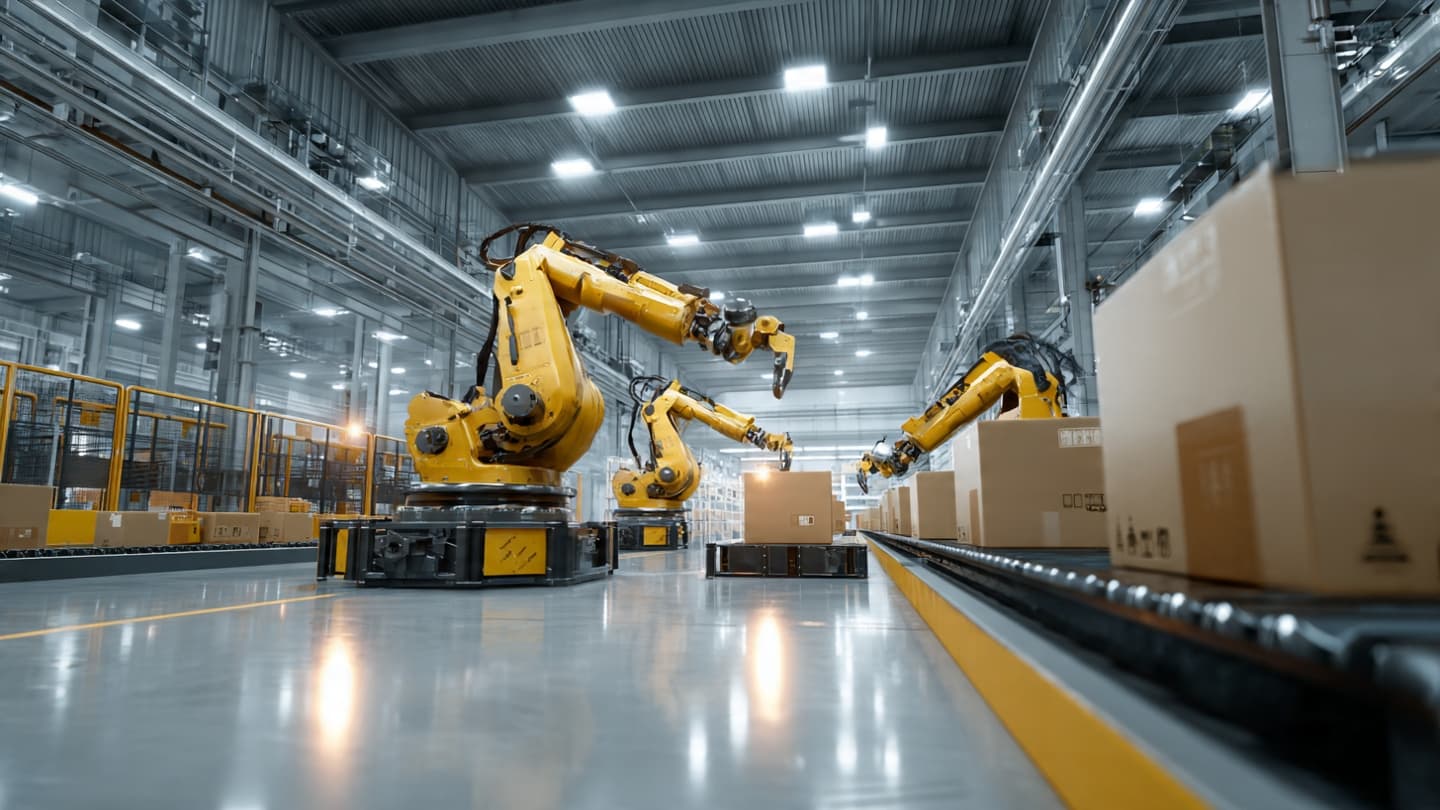
The change is visible in the tasks robots are being trained to perform. Some demonstrated parcel sorting and mobile-phone packing, while others were presented as potential assistants for household activities. These tasks may appear ordinary, but their repetitive nature makes them attractive targets for automation.
For robot manufacturers, usefulness has become an increasingly important measure of progress. A machine that can walk across a stage attracts attention, but a machine capable of reliably completing thousands of repetitive tasks could create a business. The distance between those two achievements is where much of China's current robotics development is taking place.
China has built a substantial industrial ecosystem around robotics, supported by extensive electronics and manufacturing supply chains. That infrastructure gives robot companies access to motors, sensors, batteries, processors and precision components without having to develop every part independently.
Artificial intelligence is also changing what these machines can attempt. Modern robots can combine cameras, sensors and AI models to interpret their surroundings and determine how to respond. The challenge is making those decisions reliable when the physical environment is unpredictable.
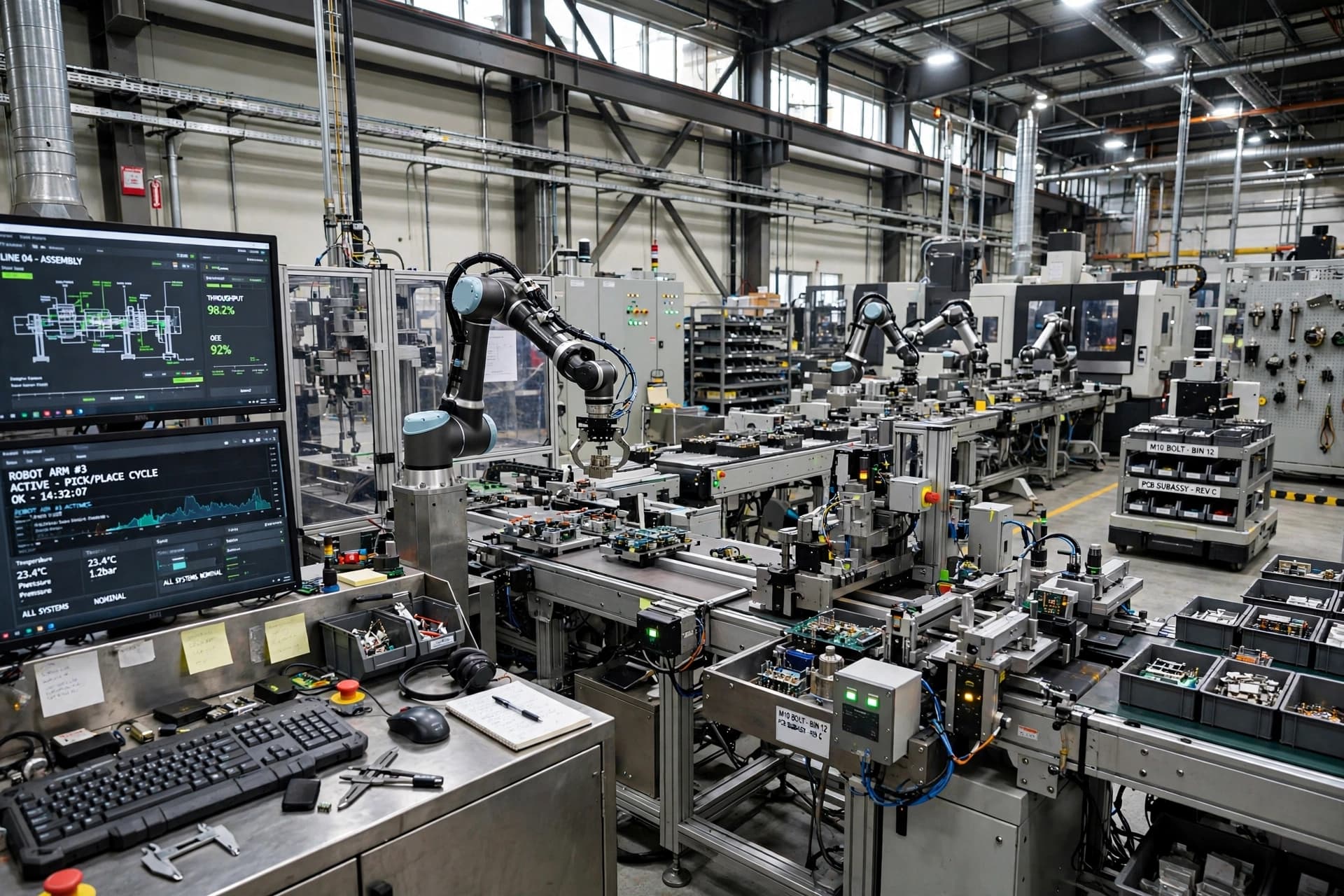
A factory floor rarely behaves like a laboratory. Objects can be misplaced, cables can lie at unexpected angles and packages can arrive in different shapes or positions. Reuters noted that these small imperfections of the physical world may become some of the most revealing tests for robots moving toward practical deployment.
China's robotics industry is therefore entering a more demanding stage. Demonstrations can show what a machine is capable of doing once. Commercial customers need to know whether it can repeat that performance thousands of times, safely and at a cost that makes economic sense.
The development also extends beyond factories. Humanoid robots are being considered for logistics, services and domestic environments, where their human-like shape could allow them to operate around infrastructure already designed for people. Yet these environments also introduce greater complexity and unpredictability.
For now, the large exhibition halls of Beijing provide a glimpse of an industry still searching for its most useful destination. China's robot makers have demonstrated increasingly sophisticated machines, but the next chapter will be determined less by how impressive they look and more by whether they can perform ordinary work reliably.
SEO-friendly Slug china-humanoid-robots-commercial-work-factories-2026
Hashtags #China #Robotics #HumanoidRobots #ArtificialIntelligence #AI #Technology #Science
Image Disclaimer These visuals were generated with AI to conceptually illustrate China's developing robotics industry and are not photographs of actual demonstrations.
Published by Banx Network. This article is part of the Banx decentralized media programme, powered by the BXE token on the XRP Ledger.