The artificial intelligence revolution has a physical side that can be easy to overlook. Behind a digital assistant or an image generated in seconds are buildings filled with processors, networks, cooling systems and electrical equipment. Across America, those foundations are expanding rapidly.
Technology companies are increasing spending on artificial intelligence infrastructure as demand for computing capacity grows. Reuters has reported that major technology companies are committing hundreds of billions of dollars to AI-related investment, including data centers and advanced computing systems. (reuters.com)
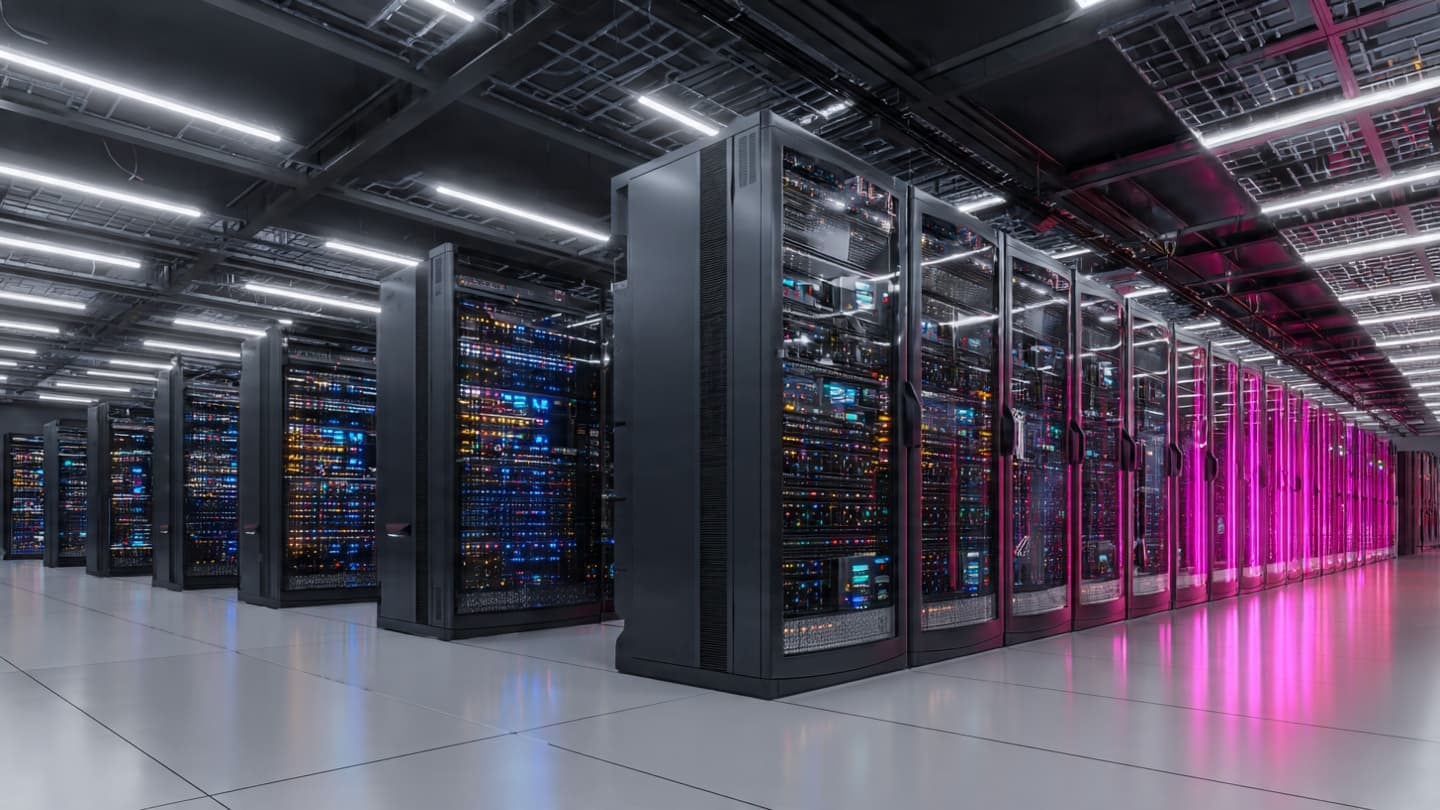
Data centers form the physical core of this expansion. They house servers that process enormous volumes of information and provide the computing power required to train and operate advanced AI models.
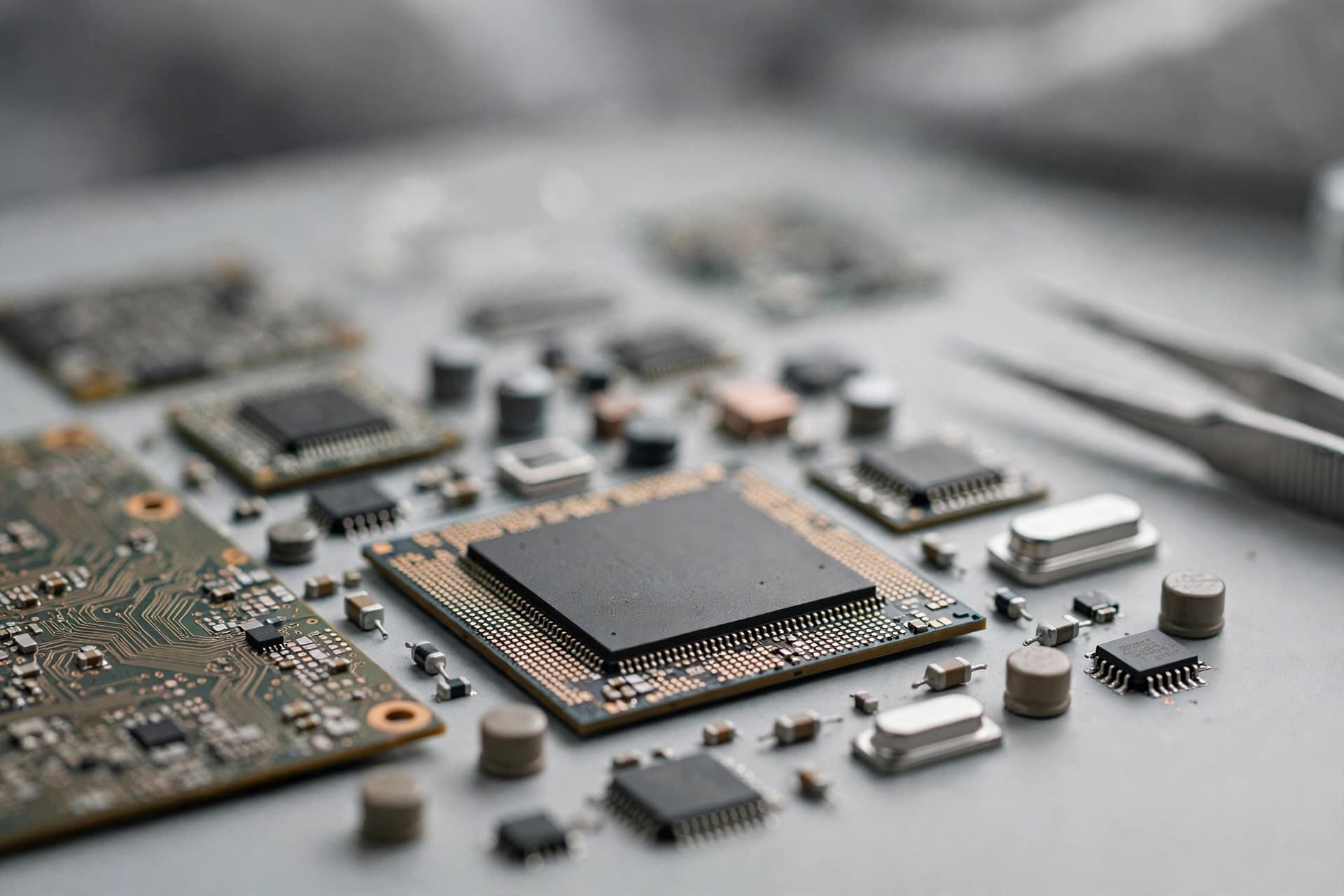
The newest AI systems require particularly powerful processors. Graphics processing units and other specialized chips can perform the calculations needed for machine learning at extraordinary speeds, but they also consume significant amounts of electricity and generate substantial heat.
That creates a second layer of infrastructure. AI expansion requires not only more servers but also reliable electricity supplies, cooling systems, fiber-optic networks and increasingly sophisticated data-center engineering.
The demand is becoming visible across the American technology landscape. Companies are announcing new facilities, expanding existing campuses and entering long-term agreements for electricity and computing resources.
The scale of investment is also changing the relationship between technology companies and energy providers. Data centers can consume large amounts of electricity around the clock, creating new demand for power-generation and transmission infrastructure.
For local communities, the arrival of a major data center can bring construction activity, investment and technology-related employment. It can also raise questions about land use, electricity demand, water consumption and the broader impact of large computing facilities.
The financial commitment is substantial. Alphabet's recent decision to raise A$5.5 billion through its first Australian-dollar bond sale came as major technology companies continue investing heavily in AI infrastructure. (reuters.com)
The infrastructure race is not limited to one company. Microsoft, Amazon, Alphabet, Meta and other technology firms are expanding computing capacity as they compete to develop and deploy increasingly capable AI systems.
That competition creates a feedback loop. More powerful AI encourages greater demand for computing, which encourages investment in chips and data centers, which in turn makes larger AI systems possible.
America's AI boom therefore has become an industrial story as much as a software story. The future of artificial intelligence is being built inside warehouses, power facilities and server halls across the country.
For now, the expansion continues at remarkable speed. The systems appearing on people's screens may seem weightless, but beneath them lies a growing physical network of machines, electricity and infrastructure that is becoming one of the defining investments of America's technology economy.
Image Disclaimer
These illustrations were produced with AI and serve only as conceptual representations of American AI infrastructure rather than real data-center photographs.
Sources
Reuters U.S. Department of Energy Alphabet Microsoft Amazon
Published by Banx Network. This article is part of the Banx decentralized media programme, powered by the BXE token on the XRP Ledger.