There is a particular sound inside a data center—a low, steady breath of machines at work, rows of processors drawing power and purpose from an invisible stream of instructions. It is the sound of speed, of modern ambition moving forward without pause. Yet even in this atmosphere of constant motion, moments of constraint can surface quietly, almost unnoticed at first, before their significance becomes clear.
Micron Technology now suggests such a moment has arrived. The company has described the current shortage of advanced memory chips as “unprecedented,” a word rarely used lightly in an industry accustomed to cycles of excess and scarcity. This time, the pressure does not come from consumer electronics or seasonal demand, but from the accelerating rise of artificial intelligence systems that rely heavily on high-bandwidth memory and advanced DRAM to function at scale.
As AI models grow larger and more complex, their appetite for memory has expanded alongside their computational needs. Training and running these systems requires not only powerful processors, but vast pools of fast, reliable memory to move data efficiently. Micron has indicated that this surge has tightened supply across key segments, particularly for the high-performance memory used in data centers and AI accelerators, outpacing what many in the industry had anticipated.
The strain is reshaping priorities. Chipmakers that once balanced production between consumer devices, PCs, and servers are now reallocating capacity toward AI-focused products. For Micron, this has meant emphasizing advanced memory technologies designed for data center workloads, even as traditional markets such as smartphones and personal computers continue their uneven recovery from earlier downturns.
Industry observers note that memory shortages are not new, but the character of this one feels different. It is driven less by speculative demand and more by structural change, as AI shifts from experimentation to infrastructure. Cloud providers, chip designers, and enterprise customers are all competing for the same finite supply, creating a bottleneck that cannot be resolved quickly by simply turning on new factories. Memory manufacturing requires long lead times, precision, and capital measured in years rather than quarters.
Against this backdrop, Micron’s warning reads less like an alarm and more like an acknowledgment of altered terrain. Pricing dynamics are already adjusting, and analysts expect tight conditions to persist well into the coming year. While higher prices may support revenue growth for memory producers, they also underline how dependent the AI ecosystem has become on components that were once taken for granted.
In straightforward terms, Micron says demand for AI-related memory has surged beyond expectations, creating supply constraints unlike previous cycles. The company expects these conditions to continue as AI adoption expands, reshaping the balance of the global semiconductor market.
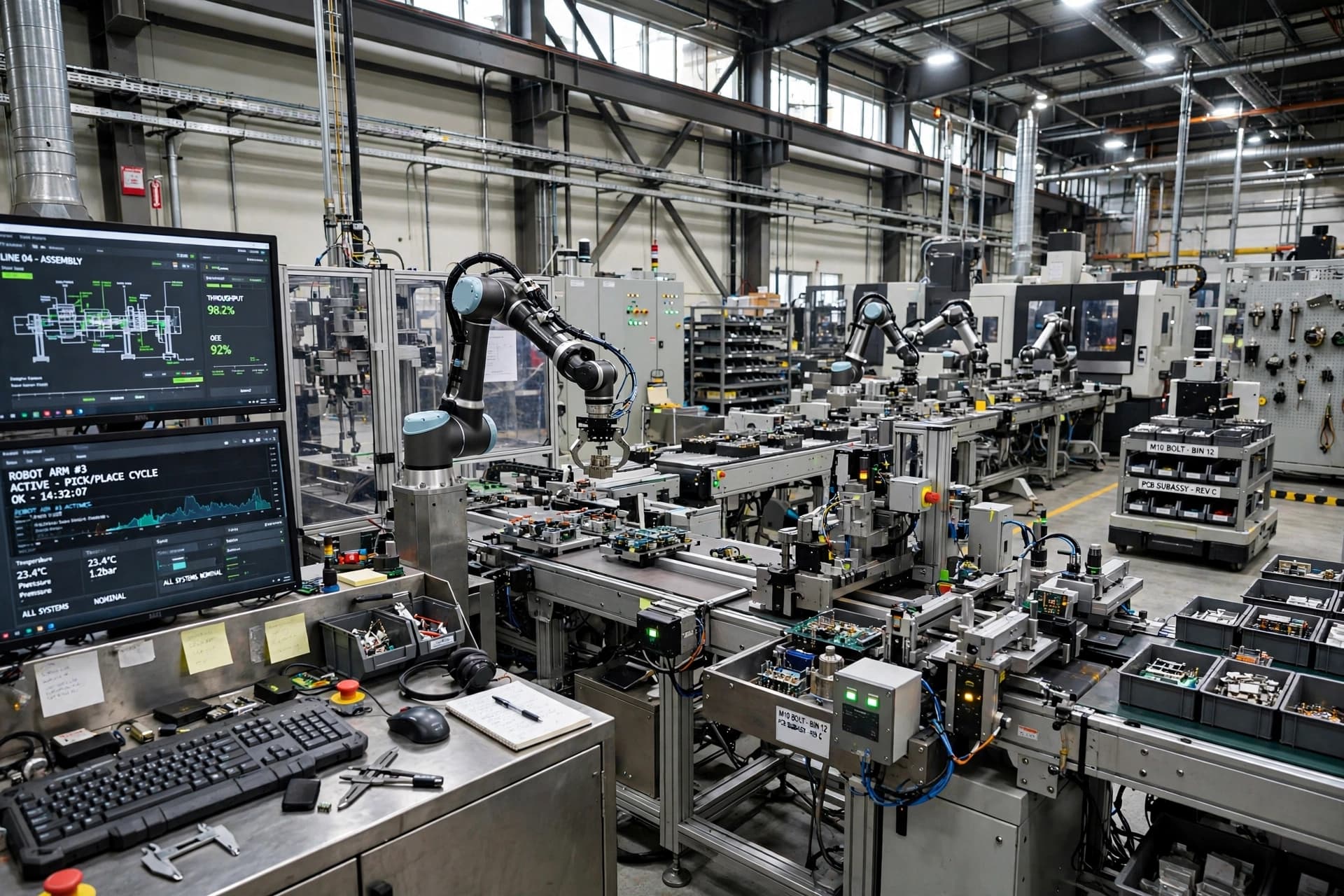
AI Image Disclaimer Illustrations were created using AI tools and are not real photographs.
Sources (Media Names Only) Reuters Bloomberg Financial Times The Wall Street Journal
Published by Banx Network. This article is part of the Banx decentralized media programme, powered by the BXE token on the XRP Ledger.