A camera may capture a fraction of a second, but the technology behind that instant is built through years of engineering. In Japan, where electronics and precision manufacturing have long been intertwined, image sensors remain an important part of that technological heritage.
Sony and Taiwan Semiconductor Manufacturing Company, or TSMC, are planning a combined investment of about $6.3 billion to produce advanced image sensors, according to Reuters reporting based on Japanese media information. The planned investment reflects the continuing importance of semiconductor technology to Japan’s electronics industry. (reuters.com)
Sony has established a leading position in image sensors used in smartphones, cameras, automobiles, and other electronic devices. These components translate light into digital information, forming the foundation of modern photography and machine vision.
The partnership with TSMC adds another layer to that ecosystem. TSMC is one of the world's largest contract semiconductor manufacturers, producing chips for technology companies across multiple industries. Its manufacturing expertise complements Sony’s experience in image-sensor development and applications.
The planned investment comes as demand for advanced sensors continues to evolve. Cameras are no longer limited to smartphones and traditional photography. Vehicles increasingly use cameras for driver-assistance systems, while industrial machines and automated systems rely on visual sensors to interpret their surroundings.
That expansion has made image sensors part of the broader movement toward intelligent machines. A vehicle, robot, or industrial system can only respond to its environment if it can first collect information about what lies ahead. Sensors therefore occupy a quiet but essential position in the emerging technology landscape.
Japan has also been seeking to reinforce its domestic semiconductor capabilities after years of production shifting toward other parts of Asia. Investments by Japanese companies and international semiconductor manufacturers have helped create a more diversified manufacturing network.
For Sony, advanced image sensors remain closely connected to its broader technology business. For TSMC, cooperation with major Japanese companies expands its presence within Japan’s growing semiconductor ecosystem.
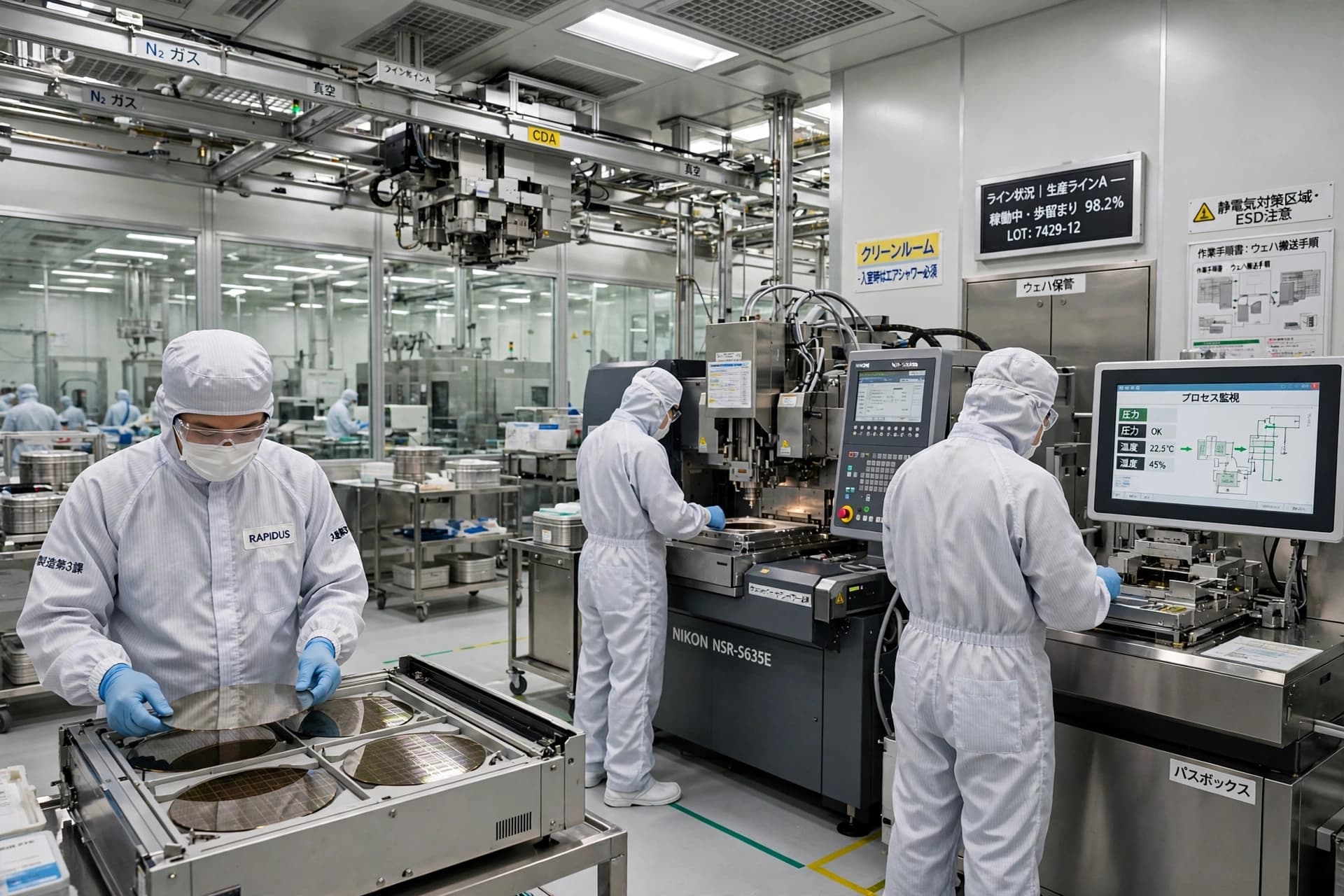
The scale of the proposed investment illustrates how expensive modern semiconductor manufacturing has become. Production facilities require specialized equipment, highly controlled environments, advanced engineering, and sustained investment to remain competitive as chip technology evolves.
The partnership therefore represents more than a single manufacturing project. It reflects the continuing movement of Japan’s electronics industry toward advanced semiconductor production, where sensors, artificial intelligence, automotive technology, and digital imaging increasingly overlap. (reuters.com)
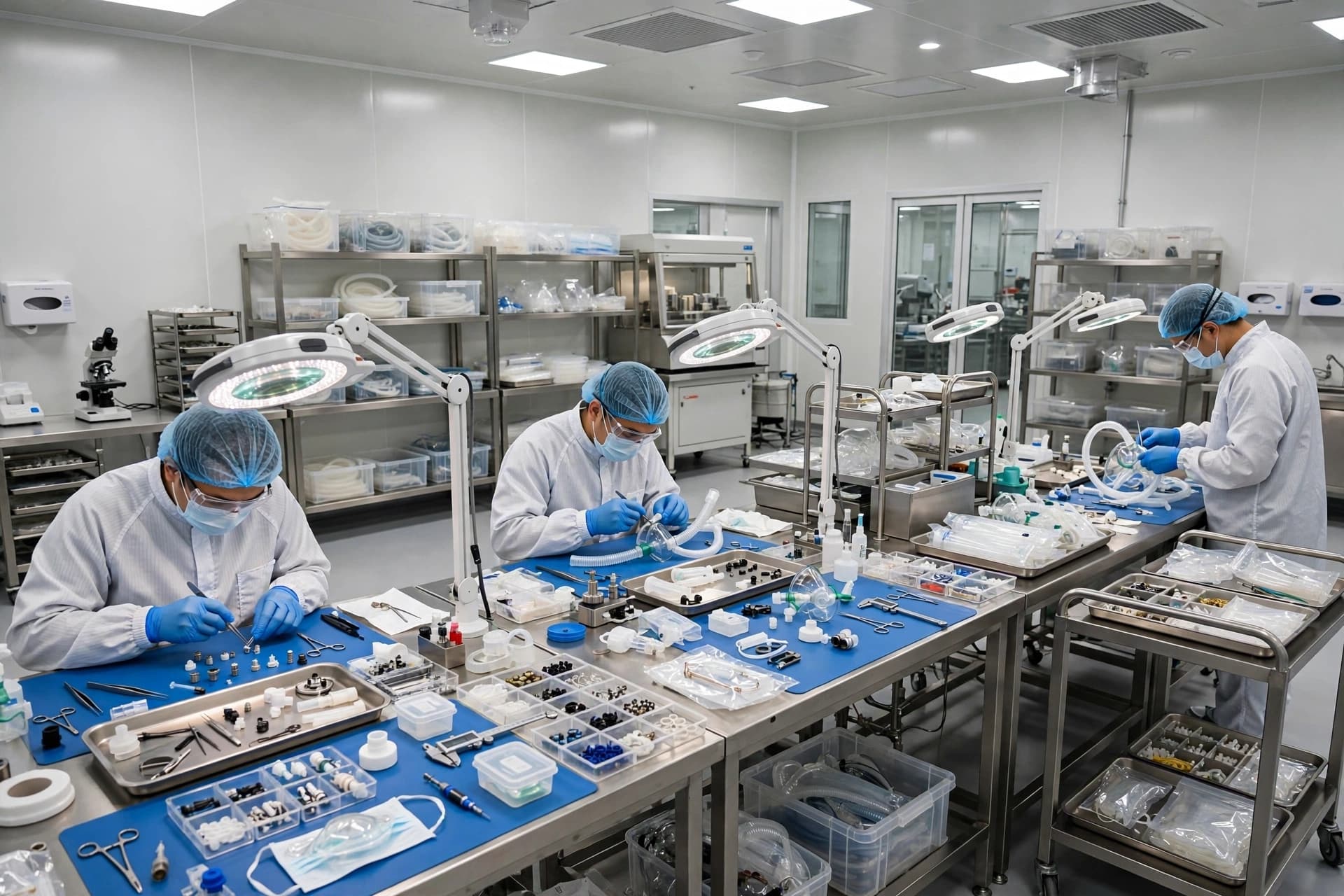
AI Image Disclaimer The accompanying visuals were created with AI tools as conceptual illustrations and are not actual photographs of Sony, TSMC, or their manufacturing facilities.
Sources Reuters Nikkei Asia Sony TSMC Japan Times
Published by Banx Network. This article is part of the Banx decentralized media programme, powered by the BXE token on the XRP Ledger.