Sometimes, it feels as if nature writes its most complex stories in tiny ink — in letters too small to be seen with the naked eye, yet shaping destinies on the broadest of human stages. In the world of infectious disease, such is the case with Mycobacterium tuberculosis and its subtle genetic dances that tip the balance between cure and persistence. In the bustling clinics of Chongqing, China, scientists have been listening closely to these whispered genetic narratives — seeking to understand how minute changes in DNA can rewrite the script of drug resistance.
At the heart of this inquiry lies isoniazid (INH), a cornerstone of tuberculosis therapy for decades, prized for its ability to strike deep into bacterial defenses. Yet like all living organisms under pressure, M. tuberculosis adapts. Its genome — the molecular archive of its identity — holds mutations that enable evasion of drugs designed to extinguish it. The oxyR-ahpC intergenic region, a short segment of DNA nestled between regulatory elements for oxidative stress response, has emerged as one such place where change can occur. These changes are not always the main story, but they form important plot points in the broader narrative of resistance.
A recent characterization of 490 clinical isolates from Chongqing reveals that mutations in this intergenic region are relatively rare. While the primary driver of INH resistance remains changes in the katG gene — especially the well-known S315T mutation — alterations in the oxyR-ahpC region appeared at low frequency among multidrug-resistant and pre-extensively drug-resistant strains. Two specific sequence variants (−58 G→A and −54 C→T) were identified in isolates that also bore katG mutations, suggesting their presence may enhance or compensate for other resistance mechanisms rather than independently cause resistance.
This observation aligns with broader analyses of M. tuberculosis genetic landscapes, where oxyR-ahpC intergenic mutations often co-occur with other mutations but are not prevalent enough to serve as standalone markers of resistance. Across studies spanning geographic regions and strain types, this intergenic region accounts for a minority of the mutational burden associated with INH resistance, frequently accompanying changes in genes such as katG and inhA — which more directly interfere with drug activation and target interactions.
Biologically, the oxyR-ahpC region is thought to influence expression of the ahpC gene, part of the bacterial response to oxidative stress. Mutations here can subtly modulate this stress response, potentially compensating for the loss of catalase-peroxidase activity when katG is altered. Yet the Chongqing evidence suggests this compensatory role is uncommon in clinical isolates from the region, highlighting the complexity and regional variation in how M. tuberculosis navigates drug stress.
As researchers continue to map the genetic architecture of drug resistance, findings like these underscore that no single mutation tells the whole story. Rather, it is a tapestry woven from multiple genetic threads, each adding nuance to the bacterium’s resilience. Understanding these patterns enhances not only our scientific insight but also our clinical approaches, ensuring that molecular diagnostics and treatment strategies remain responsive to the evolving biology of a pathogen that has accompanied humanity for centuries.
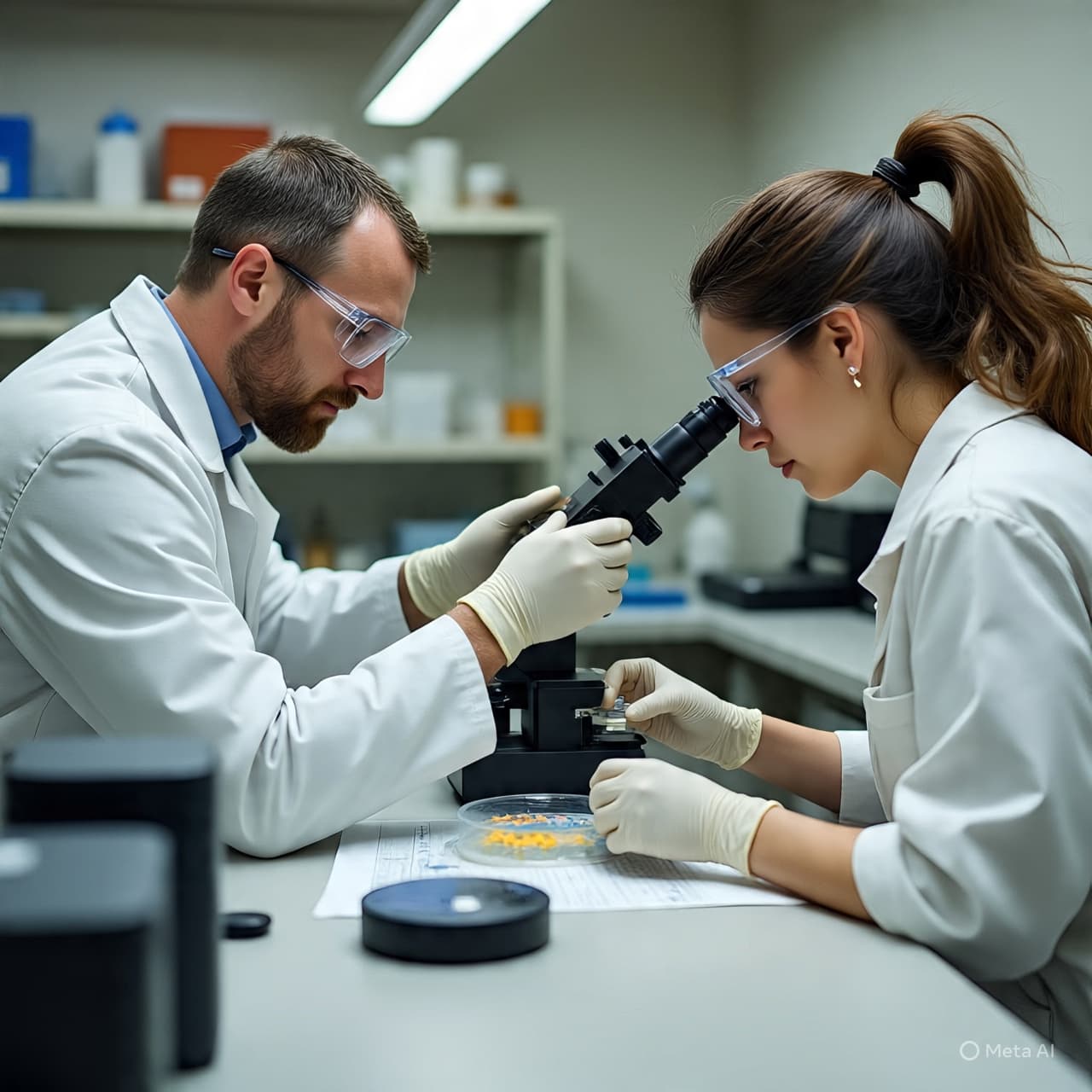
In Chongqing’s clinical laboratories and beyond, scientists persist in decoding the mutational lexicon of M. tuberculosis, mindful that even rare genetic shifts can inform the broader quest to outpace resistance and deliver effective care
AI Image Disclaimer (Rotated Wording) “Illustrations were produced with AI and serve as conceptual depictions.”
Sources
Dove Medical Press MDPI PubMed Nature
Published by Banx Network. This article is part of the Banx decentralized media programme, powered by the BXE token on the XRP Ledger.