Before sunrise, Singapore’s port already carries the movement of a city that never quite sleeps. Cranes rise above rows of containers, vessels wait offshore, and trucks move steadily between terminals. Each movement is small on its own, yet together they form one of the world’s busiest commercial networks.
Singapore remains a crucial transshipment center, connecting cargo between Asia, Europe, the Middle East, and other major trading regions. The port’s importance comes partly from its location along some of the world’s most heavily traveled shipping routes.
Container traffic has continued to receive support from regional trade flows. Manufacturers across Asia depend on maritime networks to move components and finished products, while consumer goods travel through Singapore on their way to markets around the world.
The port’s role has become even more significant as global companies reconsider supply chains. Businesses are diversifying manufacturing locations and creating additional logistics routes, but Singapore remains an important connection point for cargo moving between different production centers.
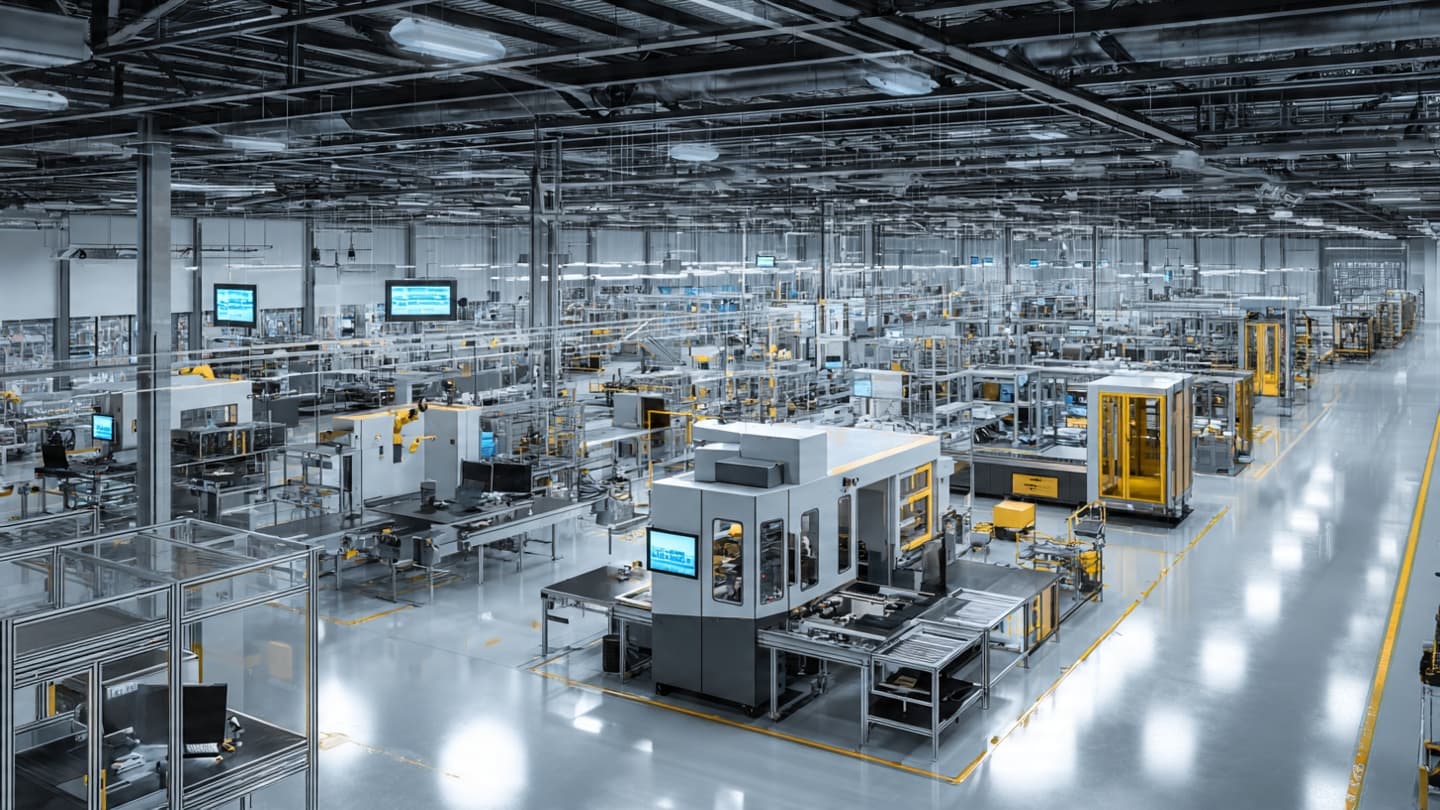
Automation is also changing the port. Singapore has invested heavily in automated cranes, digital logistics systems, autonomous vehicles, and data-driven operations designed to increase efficiency and reduce congestion.
The Tuas Port development represents a major part of that transformation. Once fully completed, the automated facility is expected to become one of the largest container terminals in the world, consolidating operations and expanding Singapore’s future handling capacity.
The port also supports industries beyond simple cargo transfer. Petrochemicals, energy products, ship repair, maritime finance, insurance, and logistics services all form part of the wider ecosystem surrounding Singapore’s shipping industry.
Global trade nevertheless remains sensitive to economic conditions. Changes in consumer demand, energy prices, shipping routes, and geopolitical developments can influence container volumes and freight costs.
For Singapore, maintaining efficiency is therefore a continuous task. The country has limited land and no large domestic market, making its position as an international logistics and services hub especially important.
As September moves forward, the cranes around Singapore’s harbor continue their familiar motion. Behind each container lies another connection between factories, businesses, and consumers, making the port a visible expression of the wider commercial currents moving through Asia.
AI IMAGE DISCLAIMER
The following visuals were generated with AI and are conceptual representations of Singapore’s maritime and logistics infrastructure.
SOURCES
Reuters Maritime and Port Authority of Singapore PSA International
Published by Banx Network. This article is part of the Banx decentralized media programme, powered by the BXE token on the XRP Ledger.