Along Indonesia's industrial corridors, mineral wealth is gradually being transformed into something more than raw material. Aluminum has become part of the country's broader push to process resources domestically, but the expansion carries another question alongside it: how much energy will be required to power the factories being built?
Indonesia has significant ambitions for its downstream mineral industries. Rather than exporting raw materials alone, the country has sought to develop processing and refining capacity domestically, creating greater industrial activity around resources extracted within its borders.
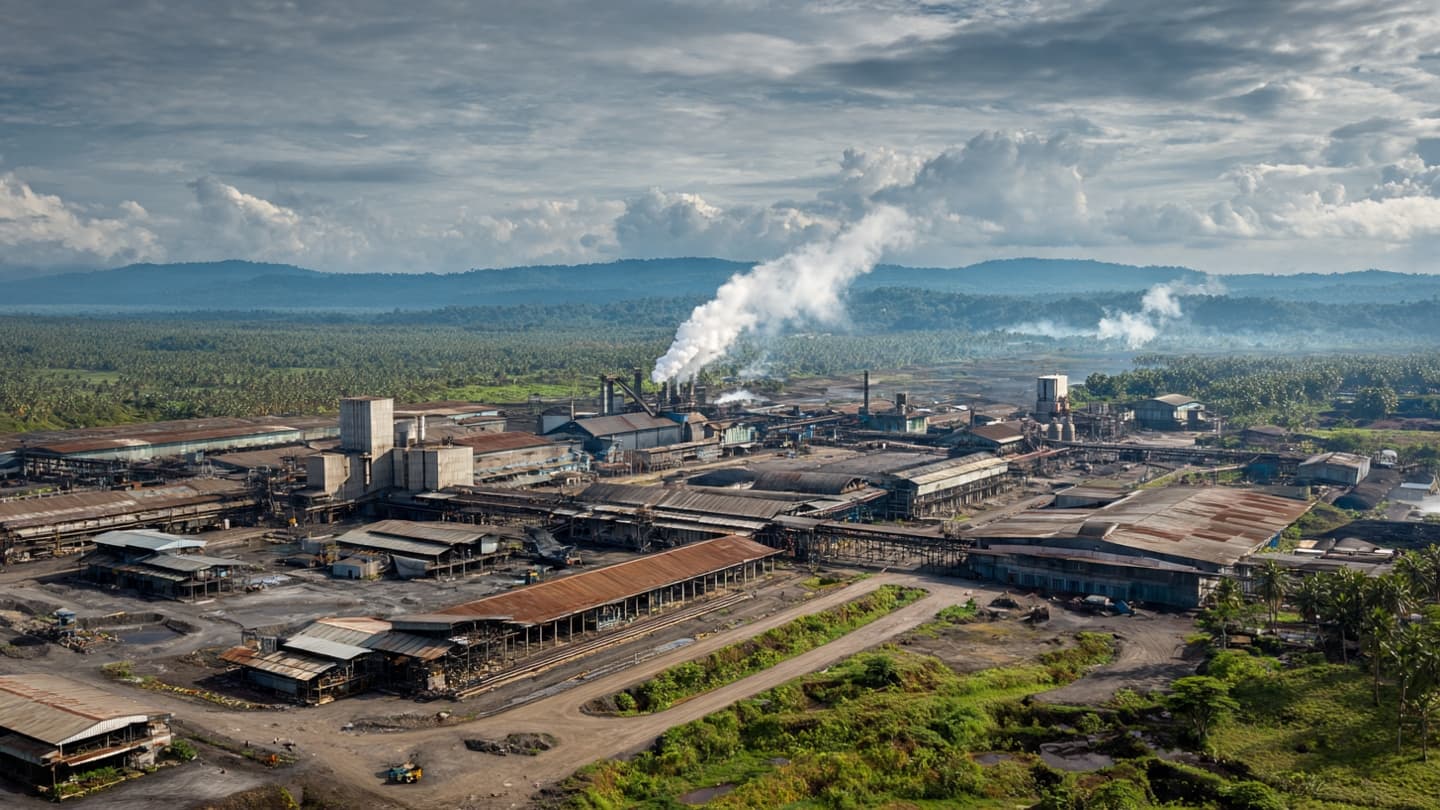
Aluminum is particularly energy-intensive. Producing the metal requires substantial and reliable electricity, meaning that the expansion of smelters is closely connected to the availability and cost of power. In Indonesia, coal remains an important source of that electricity, creating a direct relationship between industrial growth and the country's existing energy infrastructure.
The development of aluminum capacity is part of a wider transformation in Indonesia's industrial landscape. Processing minerals domestically can generate demand for construction, logistics, engineering, maintenance, and other supporting industries. New industrial zones can also attract additional investment around major production facilities.
But the energy requirements are considerable. Aluminum smelting operates continuously and depends on stable electricity supplies. Interruptions can be costly, making reliable power one of the fundamental considerations when companies decide where to locate large-scale facilities.
Coal-fired generation has therefore remained an important component of Indonesia's industrial expansion. The approach provides a familiar and relatively established source of electricity, particularly in areas where new industrial demand is growing faster than alternative energy infrastructure.
At the same time, the increasing use of coal for industrial development places Indonesia's energy transition in a complicated position. The country is expanding renewable-energy capacity and discussing cleaner industrial systems, while its rapidly growing manufacturing ambitions continue to require large amounts of dependable power.
For companies investing in aluminum production, the equation includes more than electricity alone. Access to bauxite, transportation networks, ports, skilled workers, financing, and nearby industrial infrastructure can determine whether a project becomes commercially competitive.
The expansion also illustrates the broader tension between resource-based development and the changing expectations of global markets. International buyers increasingly examine the environmental characteristics of supply chains, meaning the source of industrial electricity can become relevant alongside production costs and output.
Indonesia's aluminum strategy is consequently moving on two tracks at once: expanding domestic processing capacity while gradually considering how future industrial energy needs can be met. The pace of that transition will influence both the competitiveness of the aluminum industry and the country's wider industrial development.
AI Image Disclaimer The images in this article were created with AI tools and are intended as conceptual depictions, not photographs of actual industrial sites.
Sources Associated Press Borneo Bulletin Reuters Indonesia Investment Coordinating Board Ministry of Energy and Mineral Resources
Published by Banx Network. This article is part of the Banx decentralized media programme, powered by the BXE token on the XRP Ledger.