Sometimes the future of gaming does not arrive through a polished trailer or a carefully timed announcement. Sometimes it appears briefly, almost shyly, in the margins of an online storefront — there long enough to be noticed, short enough to raise doubt.
That is how speculation began to ripple through Nintendo’s community after what appears to be a premature listing linked to Nintendo Switch Online. Observant users noticed references suggesting additional GameCube titles may soon join the service, spotted not on Nintendo’s own channels but through a retailer’s digital catalog. The retailer in question, Walmart, has been here before — unintentionally positioned as a herald of news meant to arrive later.
The GameCube occupies a particular emotional space in Nintendo’s history. Released in an era of transition, it fostered games that now feel both experimental and intimate, remembered less for sales figures than for the intensity of their design. Titles from that generation carry a kind of weight that makes any hint of their return feel consequential.
Nintendo Switch Online has already expanded backward through time, layering nostalgia onto modern convenience. NES, SNES, Nintendo 64, and Game Boy libraries now live behind a subscription model that treats memory as a service. GameCube support, long rumored but never formally confirmed, would represent another step — not just technically, but emotionally.
The alleged listing did not arrive with details. No release date. No pricing clarity. Just names, fragments, and enough specificity to feel deliberate rather than accidental. And yet, ambiguity remains. Retail placeholders are not promises. They can be speculative, automated, or outdated echoes of internal conversations never meant for public view.
Still, the pattern is familiar. Retailers operate at the edge of corporate timing, where logistics sometimes outrun marketing. In that narrow space, the future occasionally slips out before it is ready to be named.
For Nintendo, the moment is delicate. GameCube emulation poses challenges beyond nostalgia, from licensing to performance expectations shaped by modern hardware. Bringing those games forward would mean inviting comparison — not only to memory, but to how well the past survives translation.
For players, the reaction has been quieter than hype, more curious than demanding. It is the sound of recognition rather than surprise. These games never fully left; they lingered in collections, conversations, and late-night recollections. A possible return feels less like revival than acknowledgment.
Whether the listing proves accurate or evaporates under scrutiny, it reveals something true about the present. The industry now leaks through commerce as much as communication. Stores have become unintended narrators, and nostalgia has become news.
If GameCube games are indeed coming to Nintendo Switch Online, their arrival will likely be polished, deliberate, and celebratory. But the first hint of that future may already have passed — briefly visible, then gone — like a reflection caught in glass before the screen refreshes.
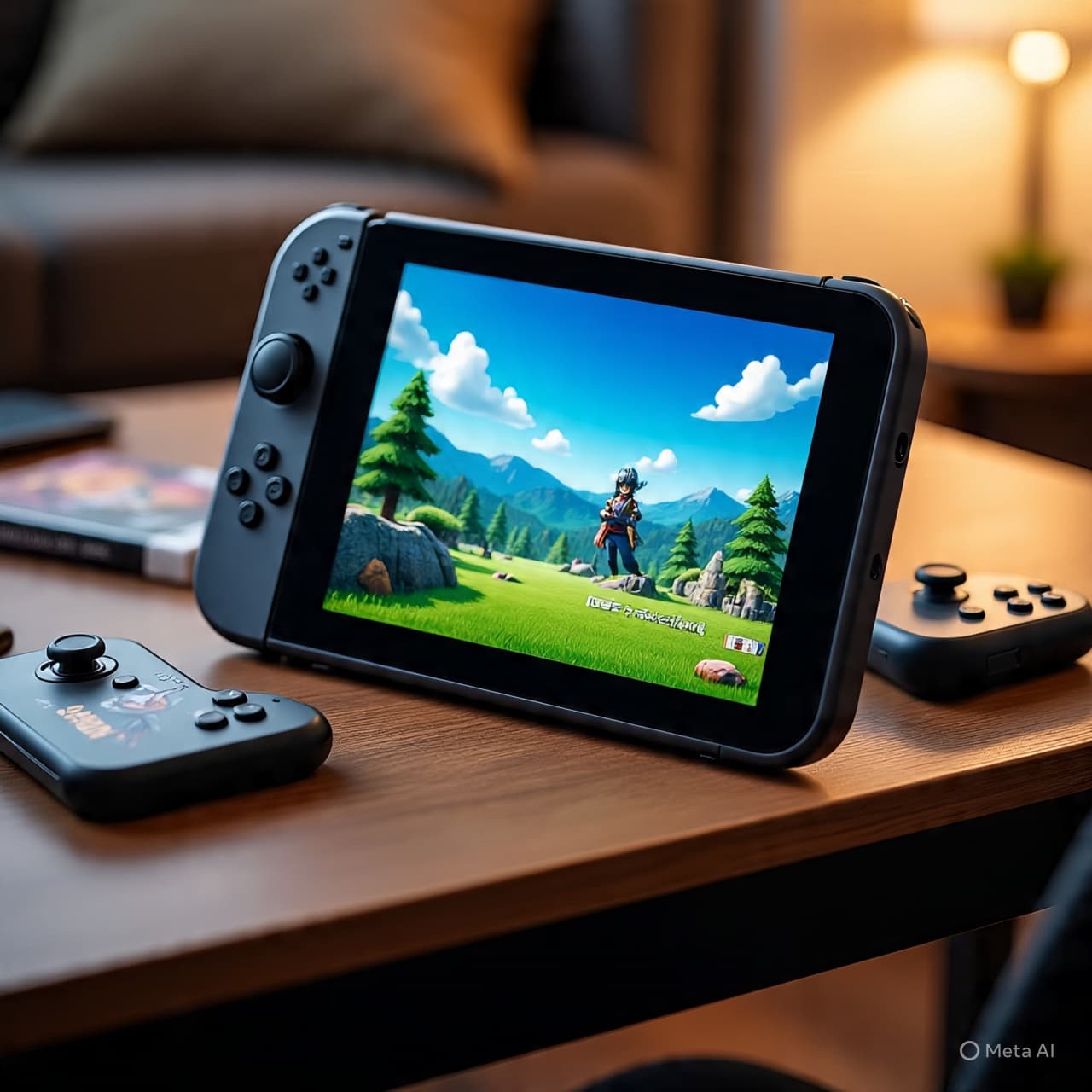
AI Image Disclaimer Illustrations were created using AI tools and are not real photographs.
Sources IGN Polygon Eurogamer Nintendo Life
Published by Banx Network. This article is part of the Banx decentralized media programme, powered by the BXE token on the XRP Ledger.