There was a time when the weather seemed to follow a rhythm that could be trusted. Seasons arrived with a certain familiarity, and even when they surprised, the surprise felt contained—an exception rather than a pattern. The sky, in its vastness, carried a kind of quiet reliability.
Lately, that sense has begun to shift.
The question posed by Daniel Corbett—“What’s going on with the weather?”—does not arrive as a technical inquiry alone. It carries with it a tone of observation, of something noticed over time, of patterns that feel less settled than they once did. It is a question that echoes beyond the forecast, reaching into the lived experience of those watching the sky.
Across New Zealand, recent weather has presented itself in ways that feel irregular. Periods of warmth followed by sudden cooling, rainfall that arrives in bursts rather than steady intervals, winds that shift direction with little warning. Each event, taken alone, might not stand out. Together, they form a picture that feels less predictable, less anchored to the expectations of the past.
Meteorology offers explanations, though they are rarely simple. Large-scale systems—air pressure patterns, ocean temperatures, atmospheric circulation—interact in ways that can amplify variability. The influence of climate change adds another layer, subtly altering the baseline upon which daily weather is built. What once might have been considered unusual begins to appear more frequently, not as a single anomaly, but as part of a broader shift.
For forecasters, this creates a landscape that requires constant adjustment. Predictions must account not only for immediate conditions, but for the underlying instability that can shape how those conditions evolve. The language of forecasting becomes more nuanced, reflecting a system that resists easy certainty.
For the public, the experience is more immediate. It is felt in the decision to carry a jacket on a warm morning, in the sudden arrival of rain where none was expected, in the quiet recalibration of what “normal” weather looks like. These are small moments, yet they accumulate, shaping perception over time.
There is also a subtle change in how the weather is discussed. Conversations that once revolved around daily conditions now extend into broader questions—about trends, about causes, about what might lie ahead. The sky becomes not just a backdrop, but a subject of reflection.
Still, the weather remains what it has always been: dynamic, complex, and beyond complete control. Its patterns shift, its systems interact, and its outcomes unfold in ways that are sometimes anticipated and sometimes not. The question, then, is not only what is happening, but how it is understood.
The answer, as Corbett suggests, is layered. It lies in the interplay between natural variability and longer-term change, between what has always been part of the atmosphere and what may now be evolving within it.
Meteorologists in New Zealand say recent unusual weather patterns reflect a mix of natural variability and broader climate influences. Changing conditions are contributing to less predictable forecasts, prompting ongoing analysis and monitoring.
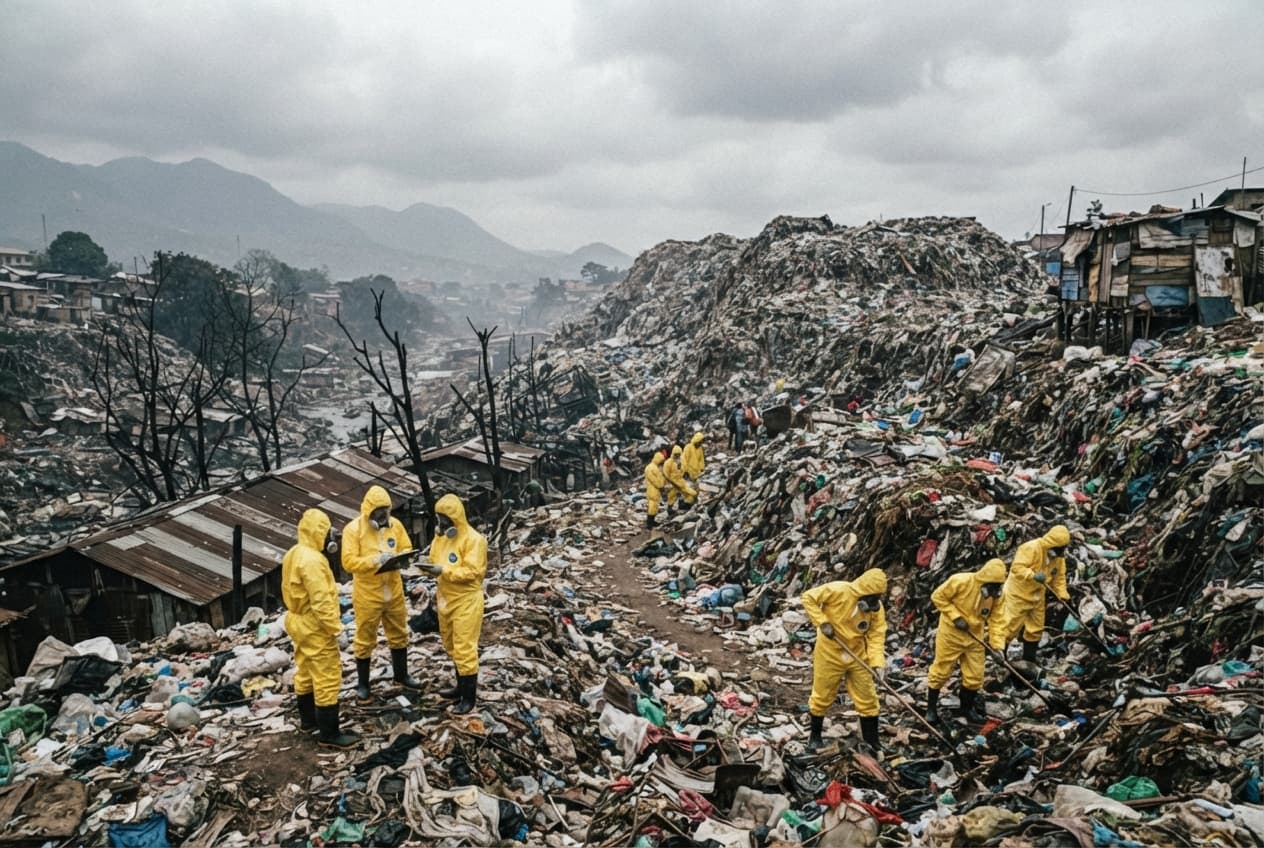
AI Image Disclaimer This imagery is AI-generated and serves as a conceptual visual aid.
Sources RNZ Stuff The New Zealand Herald 1News MetService
Published by Banx Network. This article is part of the Banx decentralized media programme, powered by the BXE token on the XRP Ledger.