In the quiet pause between holiday lights fading and a new year’s first headlines, the rhythm of the U.S. housing market often feels like a seasonal tide. Buyers and sellers alike step back for rest, reflection, and recalibration — much as a river slows before it changes course. Yet, when the latest figures on pending home sales arrived for December, they carried with them more than winter’s lull; they whispered of hesitation, shifting sentiment, and an outlook that now seems clouded with caution.
In December 2025, pending home sales — contracts signed for the purchase of previously owned homes, a key forward-looking measure of market activity — declined sharply across the United States. According to the National Association of Realtors’ Pending Home Sales Index, these contracts fell by about 9.3% from November to December, the steepest month-over-month drop since the early months of the pandemic. This reversed a brief stretch of gains earlier in the fall and marked the index’s lowest level in five months.
Like autumn leaves that drift down when a breeze shifts, the decline was broad-based. Every region — from the Midwest to the West and the Northeast — saw decreases in contract signings, reflecting a pervasive cooling of buyer activity. On a year-over-year basis, total pending sales were also weaker, with modest negative changes in most regions.
Economists who watch these rhythms carefully often view pending sales as a harbinger of future closings; when contracts falter, signed but unclosed deals can signal slower activity ahead. The December data suggested that momentum did not carry as expected into year-end. A mix of factors contributed to this: limited inventory of homes listed for sale, stubbornly high housing costs in many markets, and persistent economic uncertainty that may be tempering buyers’ enthusiasm.
One of the more subtle currents beneath these figures lies in inventory dynamics. Although closed sales ticked upward in December, new listings did not keep pace, leaving fewer homes available on the market and dampening consumers’ willingness to commit to a purchase. With roughly 1.18 million previously owned homes available — matching 2025’s lowest inventory level — the balance between supply and demand appeared strained.
This scarcity, like a narrow path through a dense forest, makes it harder for prospective buyers to find the right home at the right price, especially as many depend on contingent offers or trade-ups for financing. At the same time, some potential sellers remain reluctant to list at prevailing price points, particularly if they hold mortgages with favorable rates from earlier years.
Despite the drop in pending contracts, there are parts of the broader residential market showing resilience. Region-specific trends and the interplay of indicators such as mortgage rates and home prices continue to shape the narrative in nuanced ways. Mortgage rates, while still elevated compared with historical lows, have eased somewhat from their peaks — offering modest relief in select local markets.
Yet the December numbers — falling on a scale not seen in months — lend a quieter tone to what many had hoped would be a more robust start to 2026. Taken together, the data suggests a mix of caution and opportunity as the housing market adjusts to economic signals and buyer sentiment enters the new year with a measured, reflective pace.
AI Image Disclaimer
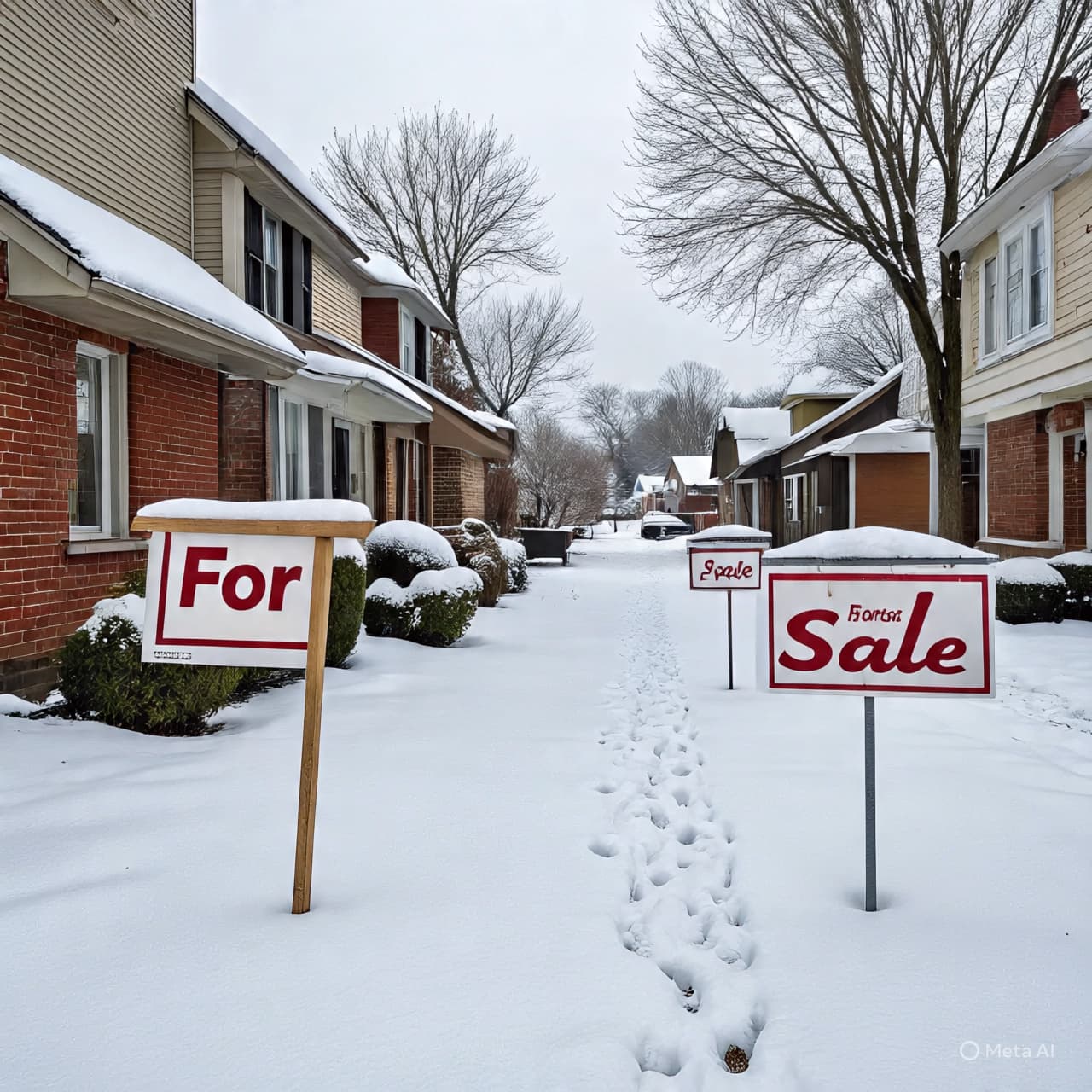
Visuals are created with AI tools and are not real photographs; they serve as conceptual illustrations.
---
Sources
Reuters
National Association of Realtors (NAR)
Redfin Real Estate News
WTVB AM News
Vocal Media (housing market commentary)
Published by Banx Network. This article is part of the Banx decentralized media programme, powered by the BXE token on the XRP Ledger.