Night falls quickly over the Mediterranean in late winter. The sea darkens first, then the hills, and finally the neighborhoods where light lingers longest in apartment windows and roadside cafés. In southern Lebanon, that rhythm has been broken again — by the thud of artillery, the whistle of rockets, and the distant hum of aircraft cutting through the sky.
Lebanon, long accustomed to balancing on the fault lines of larger powers, has found itself pulled sharply back into war. The armed group Hezbollah, backed by Iran, launched a wave of rockets, drones, and missiles toward northern Israel, describing its actions as defensive and tied to the wider confrontation unfolding across the region. It marked the most significant cross-border escalation since an uneasy period of relative calm took hold the previous year.
Israel responded with force. Airstrikes targeted what it described as Hezbollah military infrastructure in southern Lebanon and in Beirut’s southern suburbs — areas long associated with the group’s political and security presence. The strikes widened in scope over successive days, hitting storage sites, command centers, and launch points, while Israeli ground forces reinforced positions along the border.
For civilians on both sides, the war has returned not as a headline but as a disruption of ordinary life. In Lebanese towns near the frontier, families packed belongings into cars and moved northward, away from the sound of bombardment. Schools closed. Shops shuttered. In northern Israel, sirens again punctuated the day, sending residents toward shelters as interceptors traced brief arcs across the sky.
Lebanon’s political leadership, already navigating economic crisis and fragile institutions, now faces a deeper strain. Officials have publicly stressed that decisions of war and peace should rest with the state, not with any single armed faction. Yet Hezbollah’s entrenched military capacity — and its alignment with Iran — complicate that assertion. The country’s long-standing internal debate over sovereignty and arms has resurfaced under the pressure of active conflict.
Regionally, the escalation cannot be separated from the broader confrontation between Israel and Iran. Tensions have surged across multiple fronts in recent months, and Lebanon has once more become a visible edge of that wider contest. Each strike across the border carries not only tactical weight but symbolic resonance, reinforcing alliances and rivalries that extend far beyond the Litani River or the Galilee hills.
The geography itself feels familiar to this pattern. Southern Lebanon’s valleys and olive groves have seen cycles of escalation before — moments when local landscapes become stages for regional struggle. What shifts each time is the political context and the human toll. Casualties have been reported in both Lebanon and Israel, and displacement has already begun to reshape daily life in affected areas.
There are signs that neither side seeks an all-out regional war, yet the scale and intensity of the current exchanges have raised fears of miscalculation. Reinforcements, air sorties, and declarations of resolve create momentum of their own. Diplomacy, often quiet and indirect in such moments, works behind the scenes, though its contours remain largely unseen.
For Lebanon, the return to open conflict arrives at a moment of exhaustion. Years of financial collapse, political paralysis, and social strain had already thinned the country’s resilience. War overlays those existing fractures with new uncertainty. In Israel, border communities again confront the psychological weight of proximity to conflict, measuring daily routines against the reach of incoming fire.
As night settles once more over the coast, the sounds of aircraft and distant explosions echo across water and stone. The Mediterranean remains indifferent, waves folding into the shore as they always have. But on land, the balance has shifted. Lebanon, once again, stands at the intersection of local fragility and regional power — where decisions taken beyond its borders ripple inward, and where the cost is counted in emptied homes, darkened streets, and the steady, uneasy wait for what comes next.
AI Image Disclaimer
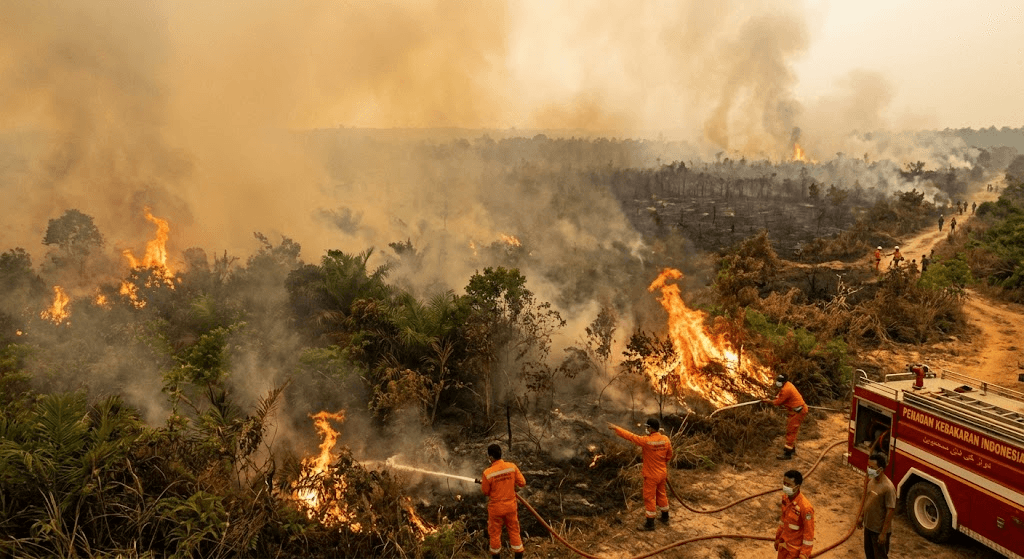
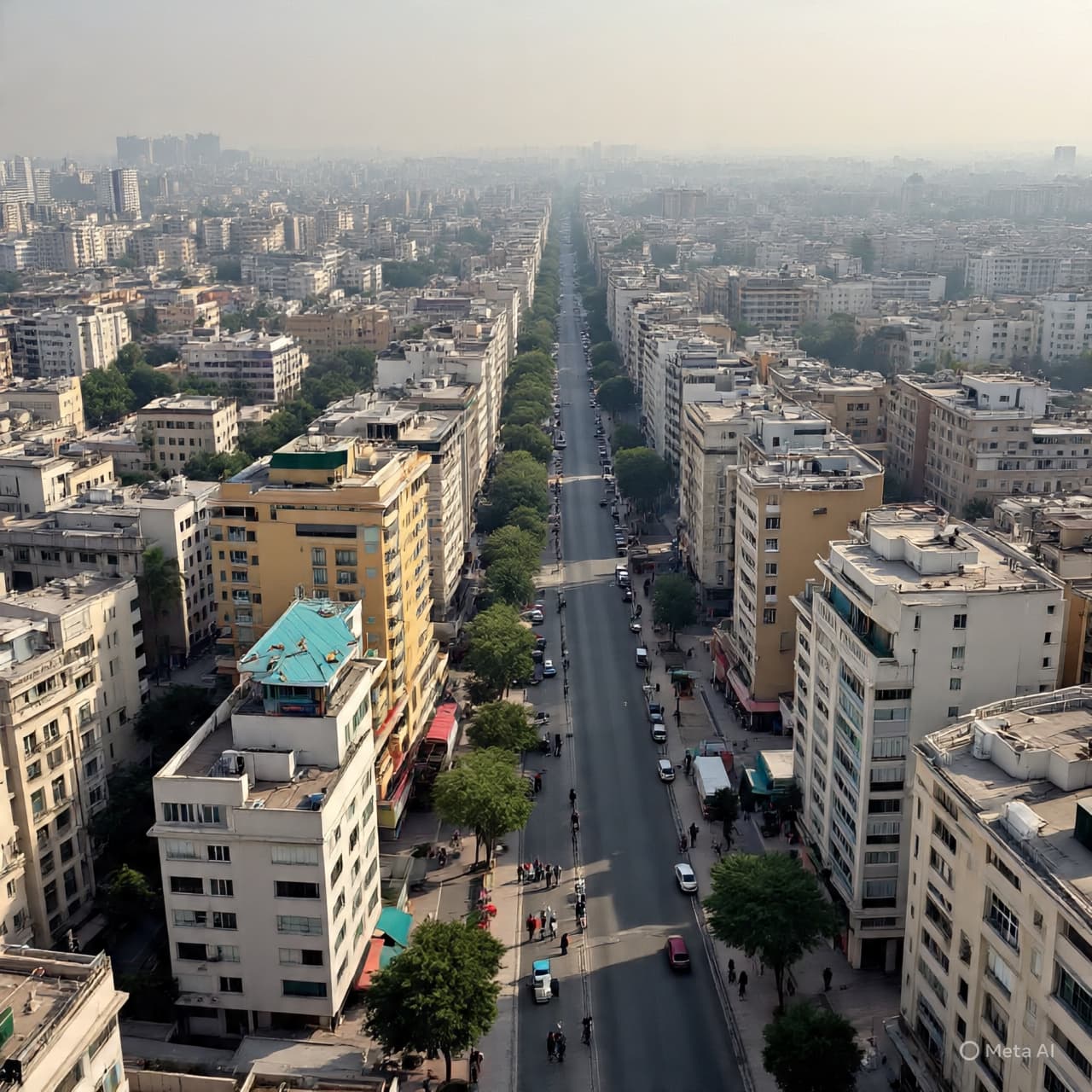
Illustrations were generated using AI tools and are intended as visual representations, not documentary photographs.
Sources
Financial Times
Reuters
The Washington Post
Associated Press
Published by Banx Network. This article is part of the Banx decentralized media programme, powered by the BXE token on the XRP Ledger.