At the edge of a traditional market, a smartphone can now become another kind of storefront. A seller photographs a product, a customer taps a screen, and somewhere between the two, a transaction crosses the physical distance separating them. Indonesia's digital economy has increasingly woven itself into these ordinary moments.
Indonesia remains Southeast Asia's largest digital economy, with e-commerce, online media, transport services and digital financial products contributing to continued growth. Government and industry forecasts have placed the country's digital economy on a trajectory toward hundreds of billions of dollars in gross merchandise value over the coming years.
E-commerce remains one of the most visible parts of this transformation. Indonesian consumers have become accustomed to comparing products online, ordering through mobile applications and receiving goods through increasingly sophisticated logistics networks. For many small businesses, digital platforms provide access to customers beyond their immediate neighborhoods.
The change is particularly significant for micro, small and medium-sized enterprises. These businesses form a large part of Indonesia's economy and employment, but traditionally depended heavily on physical locations and local customers. Digital marketplaces can provide another route to consumers without requiring every seller to build a conventional retail network.
Digital payments have developed alongside commerce. QR-based payments have become increasingly common in restaurants, shops, markets and small businesses, reducing the need for cash while making transactions easier to record. The spread of digital wallets and banking applications has also brought financial services closer to people who may previously have had limited access to formal banking.
The infrastructure supporting this economy is expanding as well. Faster mobile networks, fiber-optic connections, cloud computing and data centers provide the underlying systems through which digital transactions move. What consumers see as a simple tap on a phone depends on a much larger network operating quietly behind the screen.
Artificial intelligence is now beginning to enter that ecosystem. Businesses are using AI for customer service, product recommendations, advertising, fraud detection and logistics. For larger companies, AI can analyze enormous amounts of transaction data. For smaller businesses, increasingly accessible AI tools can assist with marketing, translation and administrative work.
The growth is not without friction. Competition between platforms can be intense, while businesses must manage fees, logistics costs and changing consumer expectations. Regulators are also balancing innovation with concerns surrounding consumer protection, data privacy and fair competition.
Indonesia's scale makes the country particularly important to regional technology companies. Its population provides a large consumer base, while its geography creates opportunities for digital services to solve problems that physical infrastructure cannot easily address.
The digital economy is therefore becoming less like a separate technology sector and more like an additional layer over the traditional economy. Markets remain markets, shops remain shops and people still exchange goods and services. The difference is that increasingly, the path between them begins with a screen.
SEO-friendly Slug indonesia-digital-economy-ecommerce-online-payments-growth
Hashtags #Indonesia #DigitalEconomy #Ecommerce #Fintech #Technology #Business #DigitalPayments
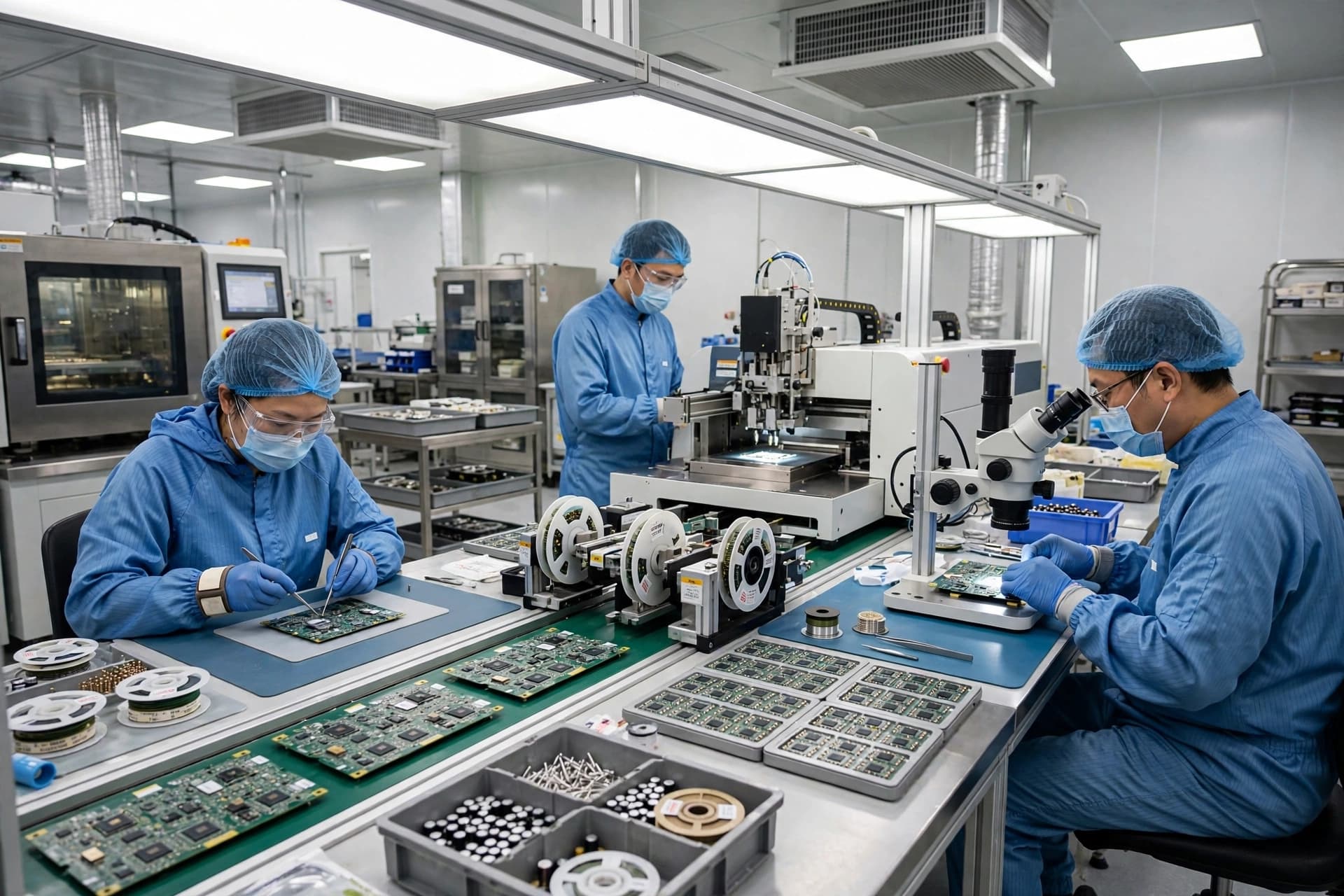
Image Disclaimer The accompanying visuals were created with AI and are intended as conceptual illustrations rather than representations of real commercial locations.
Sources Google Temasek Bain & Company Bank Indonesia
Published by Banx Network. This article is part of the Banx decentralized media programme, powered by the BXE token on the XRP Ledger.