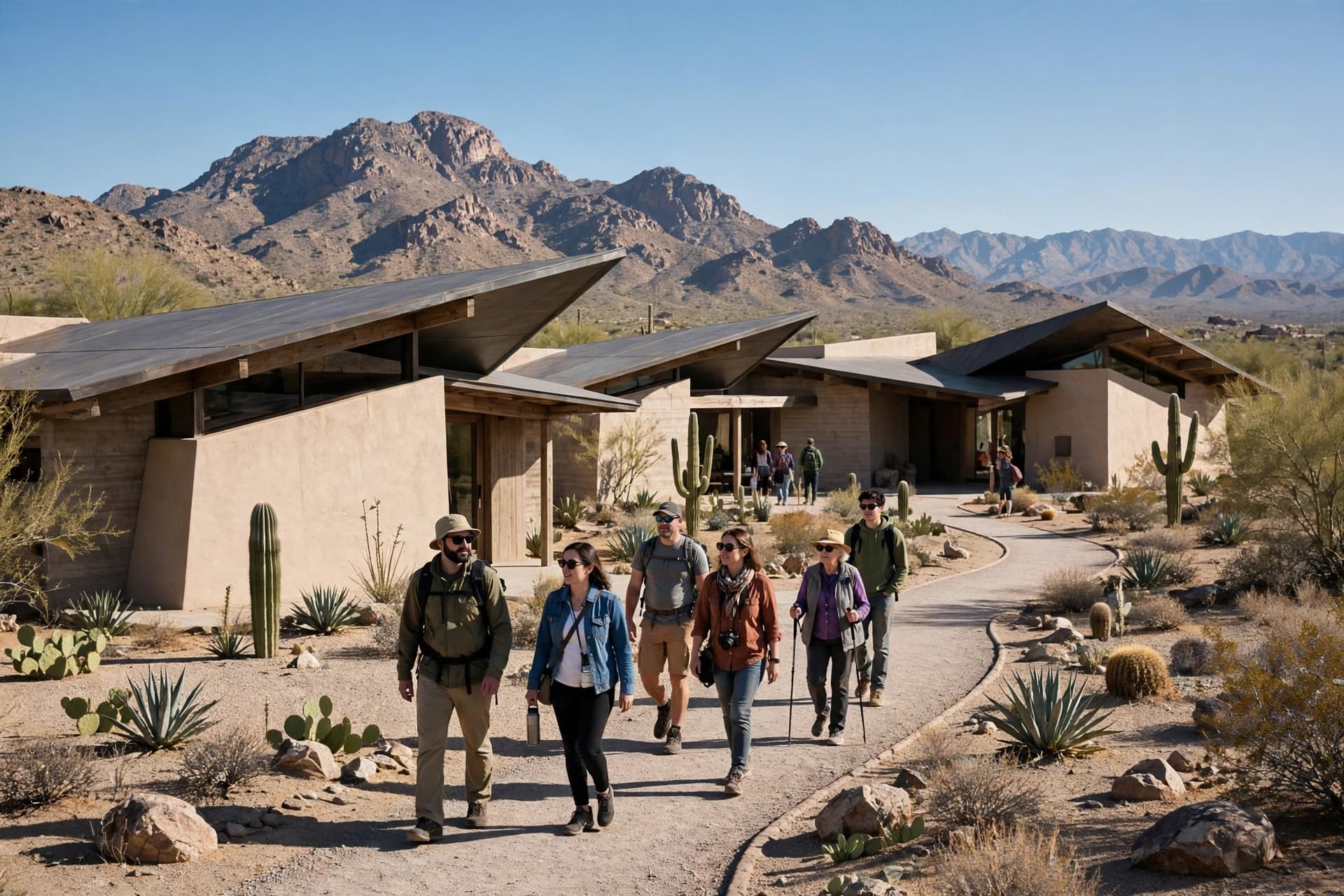
The sun rises with a deceptive gold, casting long, familiar shadows across the morning pavement, yet the air holds a weight that speaks of hidden intensity. It is a season of open roads and wide horizons, where the promise of travel beckons those seeking the quietude of distant landscapes. As the mercury begins its steady climb, the environment itself undergoes a subtle transformation, turning the once-gentle breeze into a heavy, stagnant force. The landscape, shimmering in the distance, reminds the traveler that nature operates by its own ancient, unforgiving rhythm, indifferent to schedules or the urgency of the human heart.
In the pursuit of summer excursions, the body is often the last thing on the mind, yet it is the primary vessel through which the world is experienced. When temperatures push toward their extremes, the natural cooling mechanisms we rely upon are tested against the relentless pressure of the sun. It is a quiet erosion of vitality, often unnoticed until the first signs of exhaustion take hold. The subtle shift from comfort to distress is marked by an internal struggle, as the heart works harder to maintain balance in a world that has grown increasingly hostile to the human form.
Understanding these risks requires a departure from the rush of the road to acknowledge the limitations of our own biology. Heat-related illness is not a sudden failure but a slow decline, often masked by the excitement of exploration or the necessity of travel. Whether traversing desert highways or urban centers, the lack of hydration or the absence of a reprieve from the heat can rapidly alter one's capacity for clear judgment. The body, resilient as it is, speaks in a language of fatigue and dizziness, signaling a need for intervention before the threshold of safety is crossed.
Practicing mindfulness during travel means anticipating these shifts long before they manifest as crisis. Planning requires an intimate knowledge of one’s surroundings, from identifying the cooler hours of the day for movement to securing access to air-conditioned spaces that offer a sanctuary from the relentless glare. It is about honoring the necessity of rest, recognizing that a moment taken in the shade is not a disruption of the journey, but a fundamental act of preservation. This is a practice of patience, allowing the environment to dictate the pace rather than forcing a will upon the landscape.
Protective measures are often simple in nature, rooted in the wisdom of preparation. Lightweight, breathable materials become more than a fashion choice; they are a barrier against the sun’s reach, shielding the skin from the direct assault of ultraviolet rays. Hydration, too, is a conscious ritual, a steady replenishment that keeps the internal engine running even when the external world demands more than it gives. By choosing to drink regularly, even in the absence of thirst, one maintains the delicate homeostasis necessary for the long miles ahead.
Social connectivity plays an equally vital role in navigating these conditions. Travelers are rarely entirely alone, and the act of checking in on companions or neighbors serves as a vital safeguard. In the quiet moments of the day, a simple inquiry can bridge the gap between wellness and peril, ensuring that those most vulnerable to the heat—the young, the elderly, or those with underlying conditions—are not left to bear the burden of the temperature alone. It is an acknowledgment of our shared vulnerability in the face of nature’s unpredictable cycles.
Emergencies, when they arise, arrive with a swiftness that demands immediate clarity and a departure from the hesitation of daily life. Recognizing the transition from exhaustion to heat stroke—marked by an altered mental state or a sudden cessation of cooling—is the difference between recovery and lasting harm. Should such a moment occur, the response must be swift and decisive: seeking cooler shelter, applying cooling compresses to the core, and reaching out for professional medical assistance. In these instances, the narrative of the trip pauses, yielding entirely to the urgency of health.
As the day wanes and the shadows stretch once more, the return of cooler temperatures offers a moment of reflection on the resilience required to inhabit this season. Safety is not merely a set of rules to be followed but an ongoing conversation with the environment, a constant calibration of movement and rest. By integrating these practices into the fabric of travel, we allow ourselves to continue our journeys while respecting the power of the elements. It is a reminder that the world remains open for those who approach it with both wonder and the wisdom to protect the very life that allows for such exploration.
The government health departments and emergency management services report that extreme heat events are occurring with greater frequency. According to recent public health guidance, individuals should prioritize staying hydrated and avoiding strenuous outdoor activity during peak temperature hours. Officials emphasize that cooling centers are available in most regions for those without access to climate-controlled environments. In the event of heat exhaustion or stroke symptoms, the public is advised to call emergency services immediately for professional medical intervention.
Published by Banx Network. This article is part of the Banx decentralized media programme, powered by the BXE token on the XRP Ledger.