A field can remember the weather. The condition of its soil, the height of its crops and the amount of water beneath its surface all carry traces of the seasons that came before. Across China, farmers and researchers are now working with a climate whose patterns are becoming less predictable.
China has been investing in climate-resilient agriculture to protect food production against rising temperatures, changing rainfall and extreme weather. The effort includes improved irrigation, crop varieties better suited to difficult conditions and expanding use of agricultural technology.
The challenge is immense because China's agricultural regions are highly diverse. Northern areas can face water shortages, while southern regions may experience heavy rainfall and flooding. The country's food system must therefore respond to several different climate pressures at the same time.
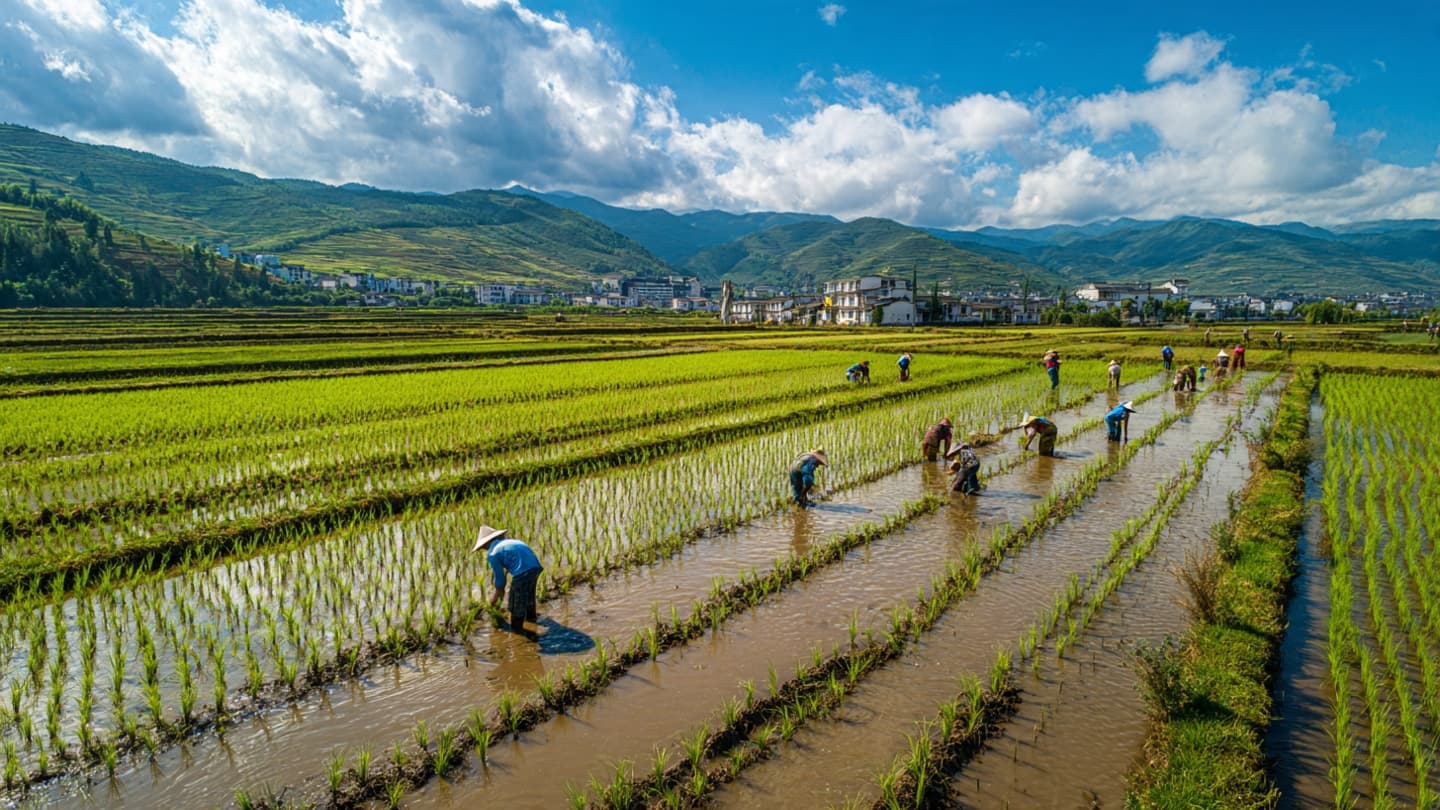
Rice production provides a clear example. Excessive heat can affect flowering and grain development, while insufficient water can reduce yields. Farmers are increasingly using improved varieties and more precise irrigation methods to reduce those risks.
Technology is becoming an important part of the response. Satellite imagery can monitor crop conditions across large areas, while sensors and weather systems can provide information about soil moisture and local conditions. Such information allows farmers to make decisions based on more detailed observations.
Water management remains particularly important. Efficient irrigation can help farmers maintain crops during dry periods without wasting limited supplies. In some regions, authorities are also improving reservoirs, canals and other infrastructure designed to move water toward agricultural areas.
China is also developing crop varieties capable of tolerating higher temperatures, drought or other environmental stresses. Agricultural scientists can use breeding techniques and biotechnology to identify characteristics that allow plants to maintain productivity under difficult conditions.
The issue reaches beyond farms. Food production affects prices, household budgets and national supply chains. A disruption in one agricultural region can influence transportation, processing and markets far beyond the original location.
Climate change also interacts with existing pressures on rural communities. Younger populations may move toward cities, leaving fewer workers available for labor-intensive farming. Automation and digital agriculture can help address some of those pressures while also changing the skills farmers need.
The work is therefore both ancient and modern. Farmers continue to watch clouds, soil and crops as they have for centuries, but they now have satellites, sensors and predictive models alongside those observations. China's approach to climate-resilient agriculture is increasingly built around combining those sources of knowledge.
As temperatures rise and weather patterns shift, the central task remains familiar: ensuring that seeds planted today can still produce food months later. The tools are changing, but the relationship between land, water and harvest remains at the heart of China's agricultural future.
SEO-friendly Slug china-climate-resilient-agriculture-food-security-technology
Hashtags #China #Agriculture #ClimateChange #FoodSecurity #Science #Technology #Sustainability
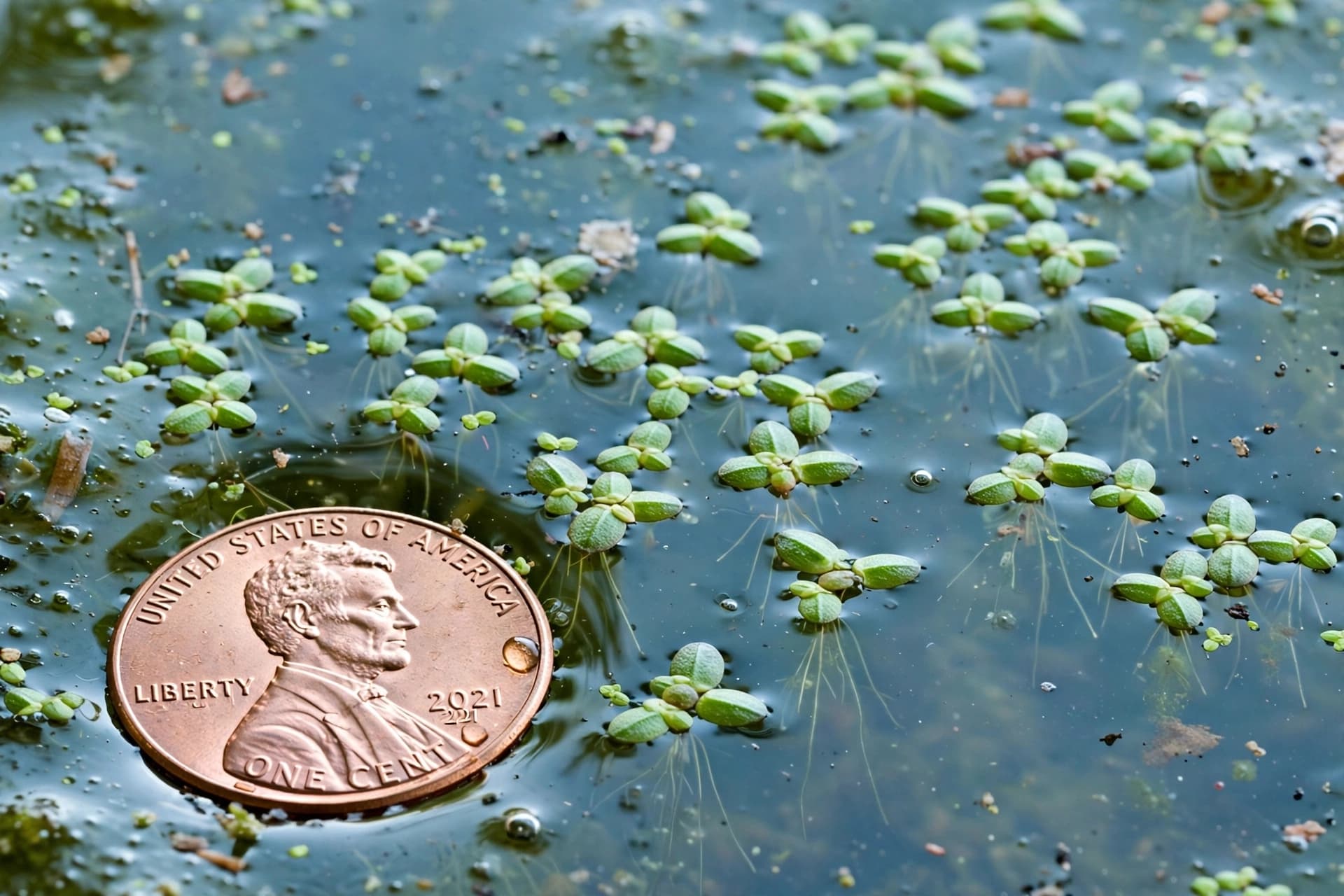
Image Disclaimer The illustrations were generated by AI as neutral representations of climate-resilient agriculture and do not depict specific farms or real events.
Published by Banx Network. This article is part of the Banx decentralized media programme, powered by the BXE token on the XRP Ledger.