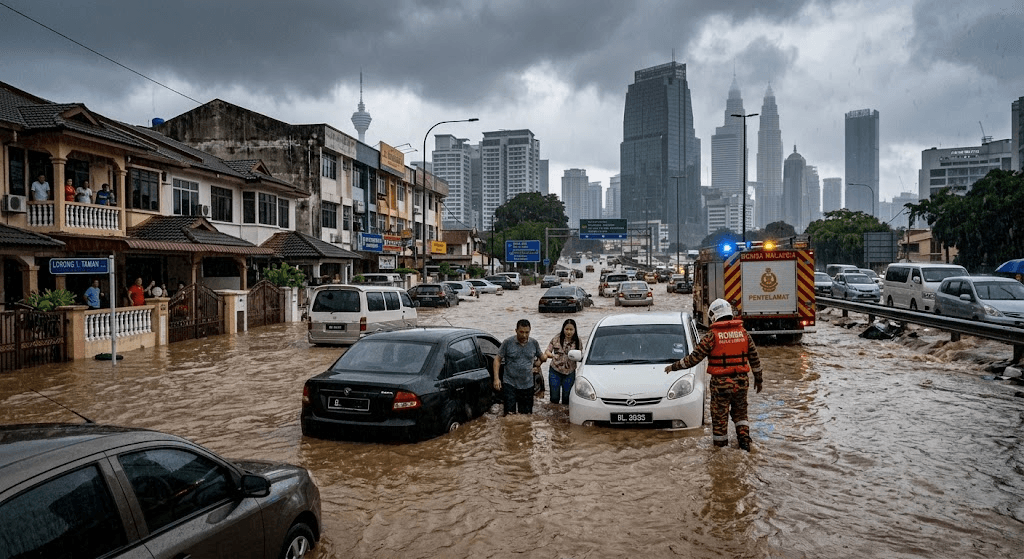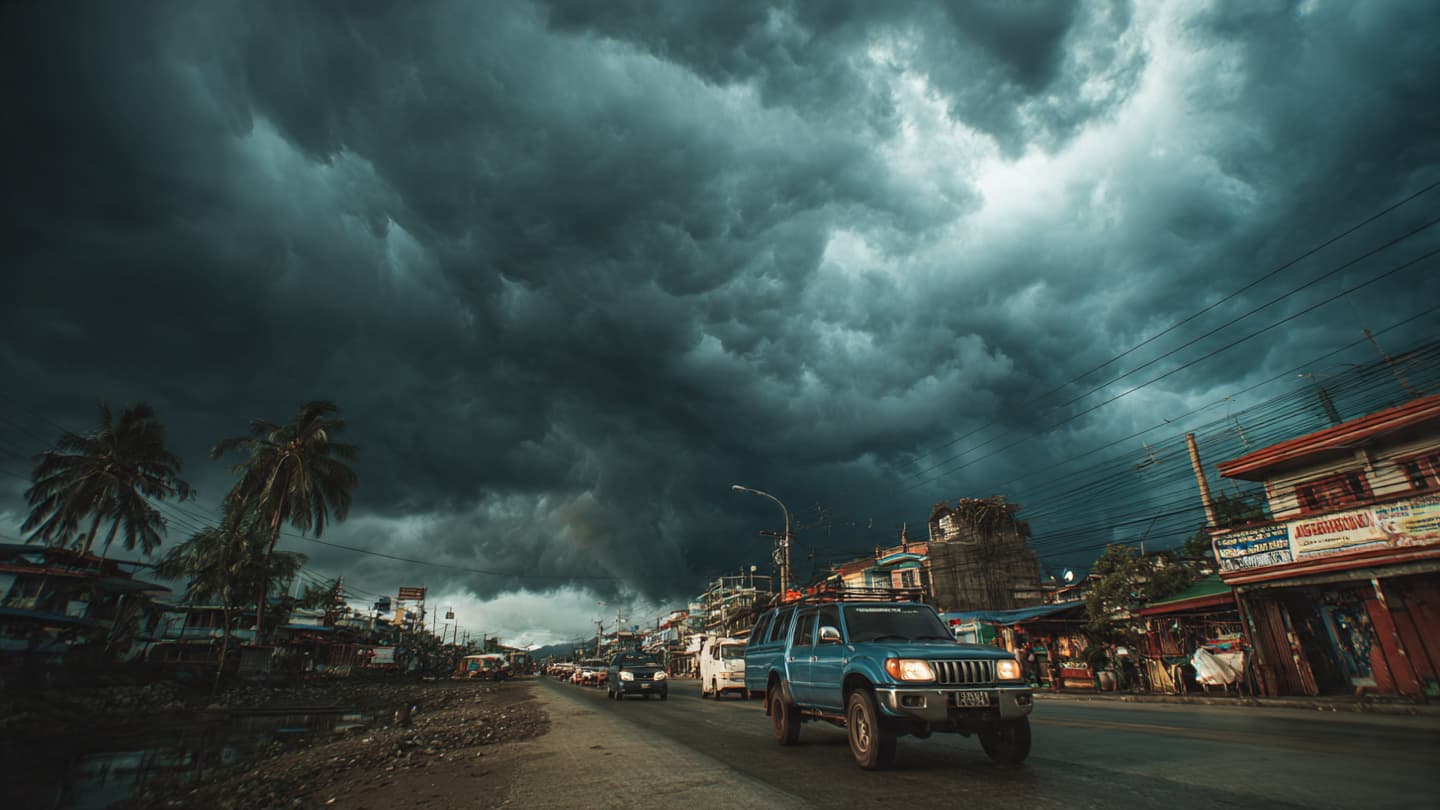
The sea along the eastern coast of the Philippines had already begun changing color before the first evacuation vehicles arrived. Fishermen secured their boats against restless tides while dark clouds pressed lower over shoreline villages where storms are remembered not by names alone, but by the homes they carried away and the nights they refused to end.
Authorities ordered large-scale evacuations across several eastern coastal provinces as a tropical storm strengthened offshore, bringing threats of heavy rainfall, flooding, landslides, and dangerous storm surges. Thousands of residents were moved into temporary shelters while emergency agencies prepared for worsening weather conditions throughout the region.
Officials warned that strong winds and rising coastal waters could affect vulnerable communities located near beaches, rivers, and low-lying areas. Schools, gymnasiums, and public buildings were converted into evacuation centers as families arrived carrying bags, blankets, food supplies, and personal documents gathered quickly before departure.
Residents described long lines of vehicles moving inland beneath continuous rain while local disaster teams monitored river levels and shoreline conditions. In fishing communities, many remained concerned not only about property damage, but about the uncertainty that follows repeated storms during monsoon season.
The Philippines has long existed beside weather that arrives both routinely and unpredictably. Along its eastern coastlines, storms shape calendars, livelihoods, and memory itself. Wooden homes are rebuilt beside waters that have flooded before, and communities learn to measure distance not only in miles, but in hours before landfall.
Emergency officials deployed rescue boats, medical teams, and relief supplies across high-risk provinces as preparations intensified. Authorities also suspended some sea travel operations and warned residents against venturing into rough coastal waters during the storm’s approach.
Meteorological agencies indicated that rainfall could trigger flash flooding and landslides in mountainous regions connected to the storm system. Local governments coordinated continuous advisories while monitoring evacuation centers already crowded with displaced residents seeking temporary safety from incoming conditions.
By late evening, the tropical storm continued moving toward the eastern coastline as evacuation efforts expanded further inland. Authorities urged residents to remain alert and follow emergency instructions while weather conditions deteriorated across affected provinces.
Published by Banx Network. This article is part of the Banx decentralized media programme, powered by the BXE token on the XRP Ledger.