The movement of ships across the world’s oceans represents a constant exchange between economies. Every vessel carries goods, resources, and connections that support businesses and communities.
The Red Sea has become an important area of attention because of its role in international maritime transportation. Its position connects important commercial routes between different regions.
Governments and shipping companies continue monitoring maritime conditions to better understand potential impacts on trade activities.
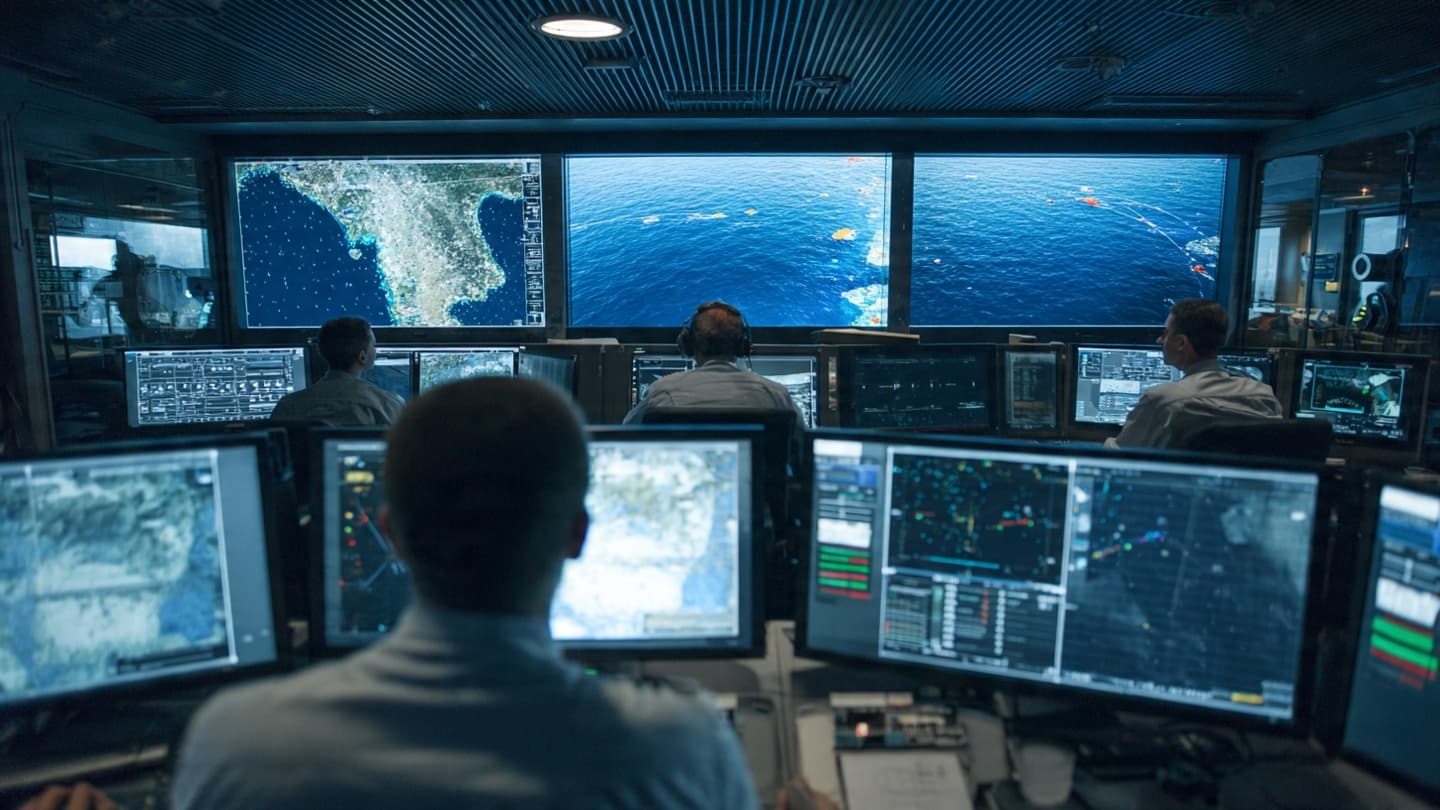
For the shipping industry, information is one of the most valuable resources. Understanding conditions at sea allows companies to make better decisions regarding routes and operations.
Global trade requires reliability. Businesses depend on transportation networks that can deliver goods on schedule and maintain connections between markets.
The attention surrounding maritime developments shows how closely security and commerce are connected. A change in one area can influence decisions made across the world.
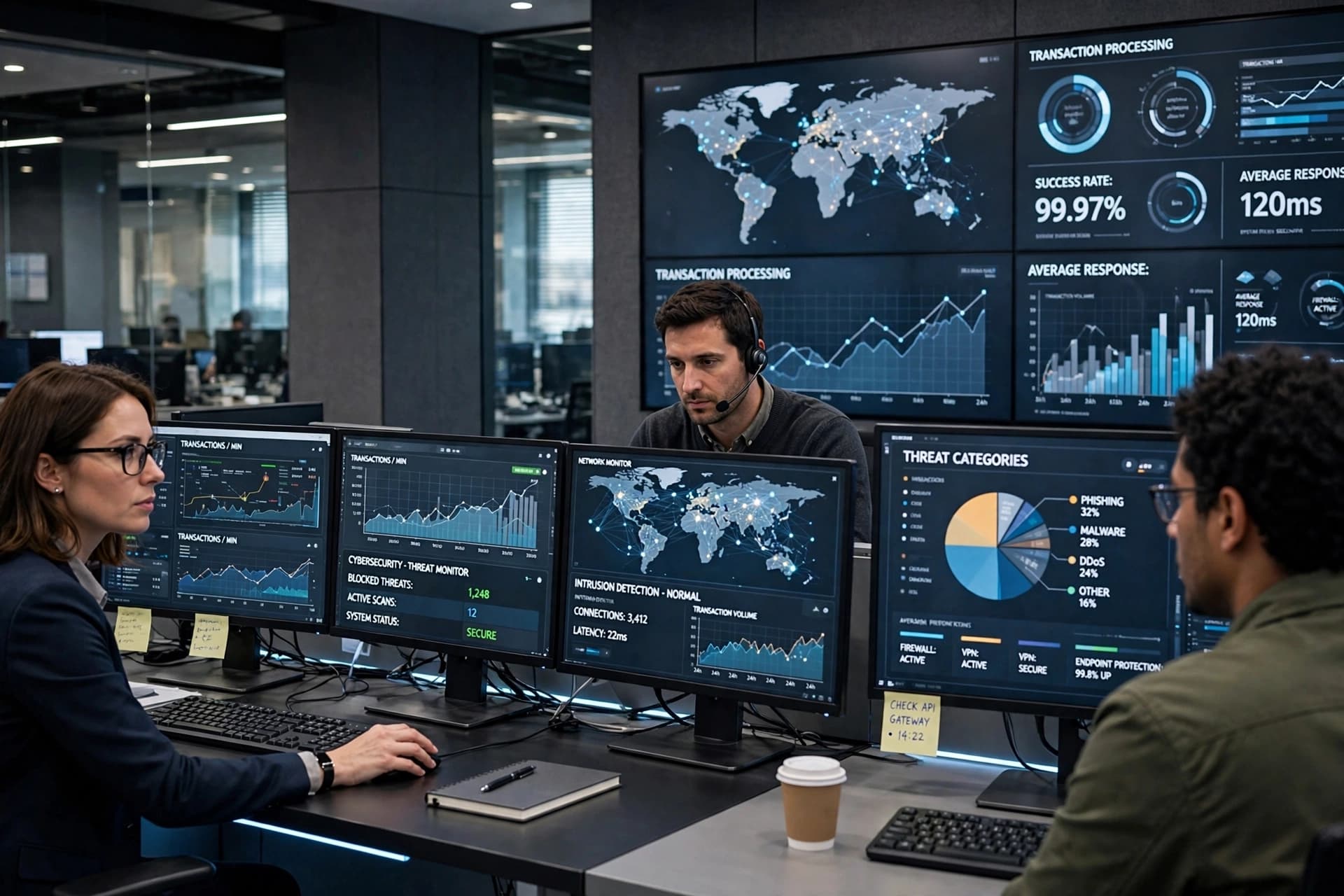
Modern shipping relies on advanced technology to improve awareness. Satellite systems, communication networks, and digital tools help companies follow maritime movements.
Cooperation between countries also contributes to maintaining international trade stability. Safe shipping environments benefit economies far beyond coastal regions.
As global commerce expands, maritime monitoring will remain an important part of protecting economic connections.
The oceans continue serving as pathways of exchange, reminding the world that stability at sea supports stability across economies.
Published by Banx Network. This article is part of the Banx decentralized media programme, powered by the BXE token on the XRP Ledger.