Oil markets opened another day with an old question still hanging over the Gulf: how much crude can move, and how reliably can it reach the buyers waiting beyond the region? On September 29, prices rose for a second consecutive session as concerns about possible supply disruptions continued to outweigh signs of recovering exports.
Reuters reported that Brent crude futures rose by about 1.4% to $106.77 per barrel, while U.S. West Texas Intermediate crude gained about 1.5% to $93.94 during early trading. Both benchmarks had already ended the previous session higher.
The movement came despite evidence that some Middle Eastern oil flows were improving. Kpler data cited by Reuters showed crude exports from major producers in the region had recovered substantially during September. Saudi Arabia and the United Arab Emirates were among the countries contributing to the increase.
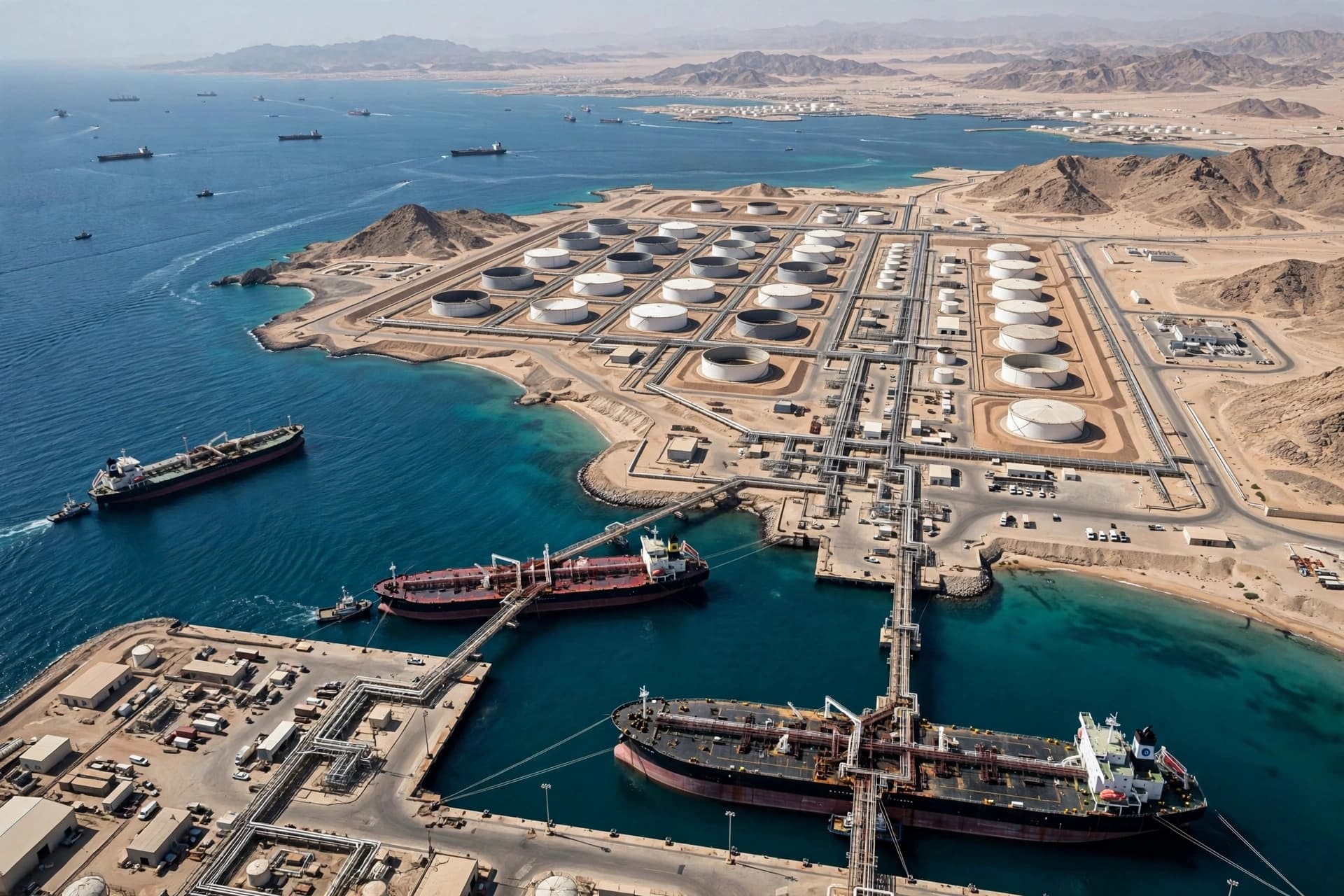
Saudi Arabia has also resumed crude loading from its Red Sea port of Yanbu following the restart of its East-West Pipeline. Reuters reported that current pipeline throughput was around 2.65 million barrels per day and could rise toward 3 million to 4 million barrels per day, although a return to the previous level could still take time.
The development provides another route for Saudi crude to reach international markets without relying entirely on the Strait of Hormuz. Satellite imagery and shipping data also indicated that substantial volumes were being loaded around Yanbu and the nearby Al Muajjiz terminal.
Yet the improvement has not removed the logistical pressure surrounding Gulf exports. Reuters reported that crude exports through Hormuz, including ship-to-ship transfers in the Gulf of Oman, had recovered significantly from their lowest levels but remained below the volumes seen before the conflict.
This is one reason the oil market can respond positively to improving supply figures while still maintaining a substantial risk premium. Physical barrels may be moving again, but the cost and complexity of moving them remain higher than before. A market does not only price what is available today; it also reacts to what might become unavailable tomorrow.
Freight is another part of the equation. Reuters reported that Saudi Arabia was considering discounts on certain crude cargoes transferred from ships off Oman as buyers faced unusually high transportation costs. The proposed arrangements involved ship-to-ship transfers, a method that has become more important as exporters seek alternative ways to move cargoes around constrained routes.
The broader energy system therefore resembles a network being adjusted while it is still operating. Some routes are reopening, some cargoes are being redirected, and some vessels are waiting for clearer conditions. Every adjustment carries additional costs, and those costs can eventually find their way into the prices paid by refiners and consumers.
For oil-importing economies, sustained higher prices can affect transportation, manufacturing and household energy expenses. For producers, higher prices may provide additional revenue, but disruptions can also limit the ability to deliver those barrels to customers. The same market movement can therefore create different effects depending on where an economy sits within the energy chain.
The next stage will depend on whether recovering exports can continue while maritime risks decline. For now, the oil market remains caught between two signals: more crude is moving again, but the routes carrying it remain vulnerable. That tension is enough to keep prices moving even when the physical supply picture begins to improve.
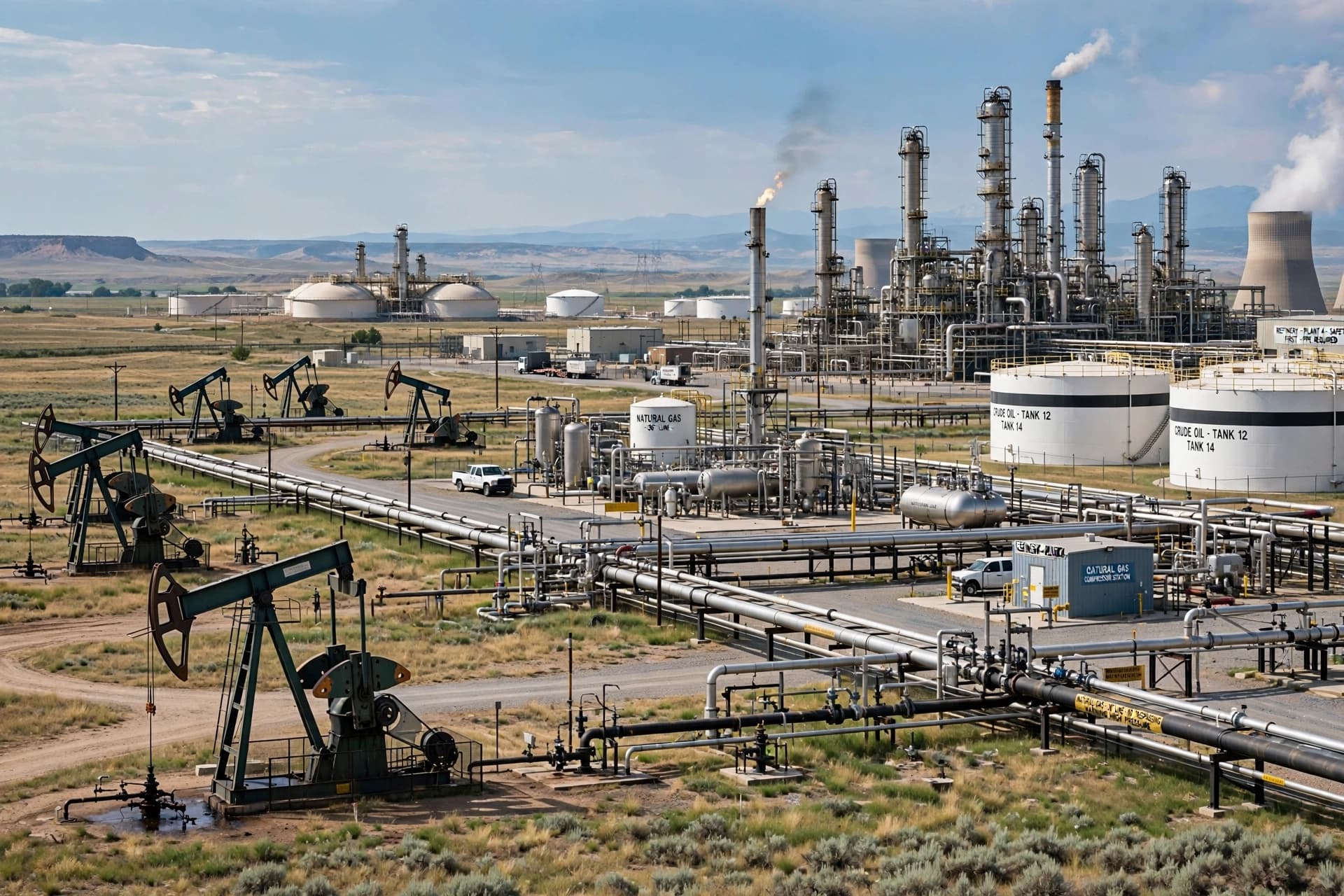
IMAGE DISCLAIMER: Images accompanying this article are illustrative and may not represent the exact vessels, terminals, pipeline operations, or market conditions described.
SOURCES: Reuters Kpler Saudi Aramco TankerTrackers.com Regional shipping and energy sources
Published by Banx Network. This article is part of the Banx decentralized media programme, powered by the BXE token on the XRP Ledger.