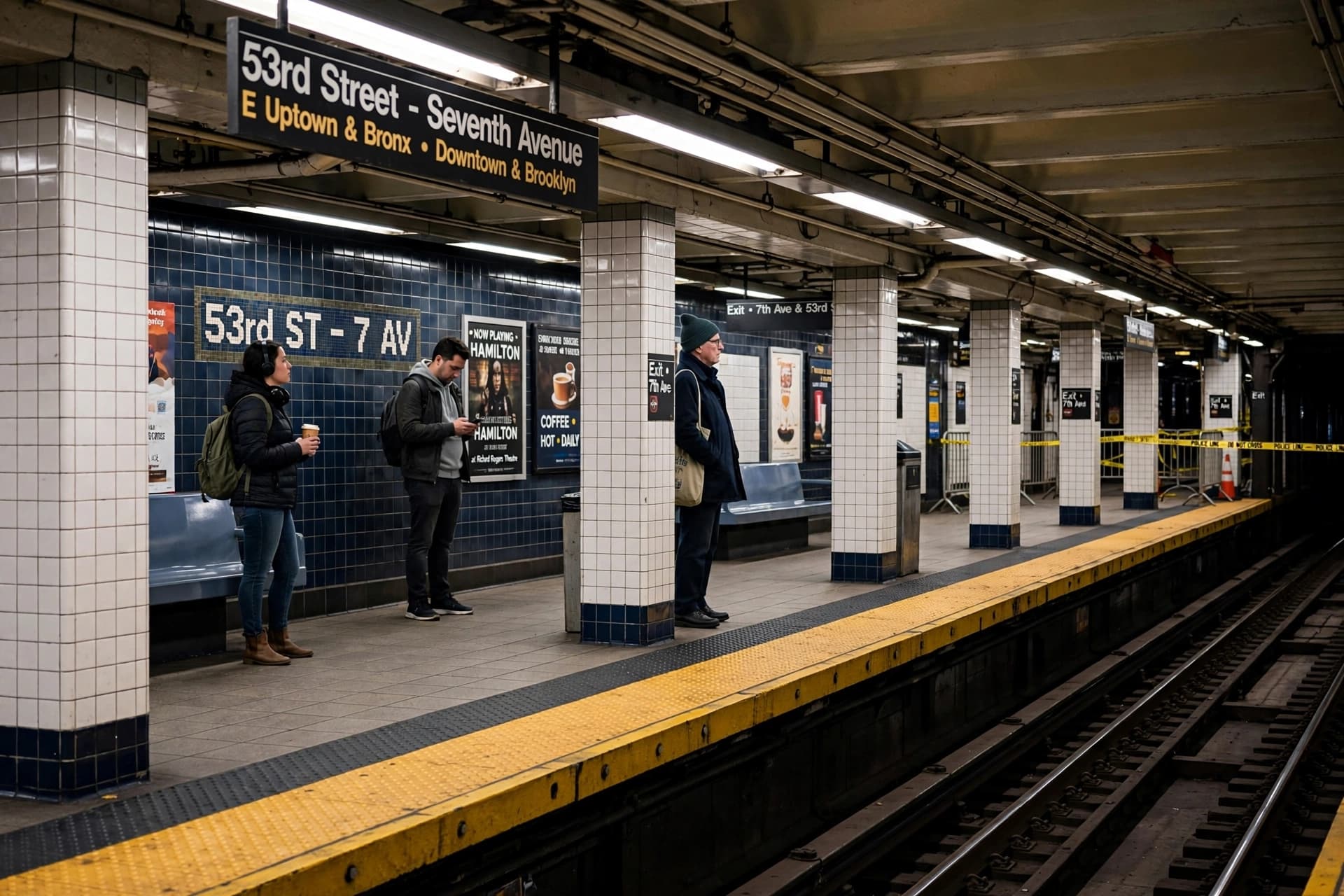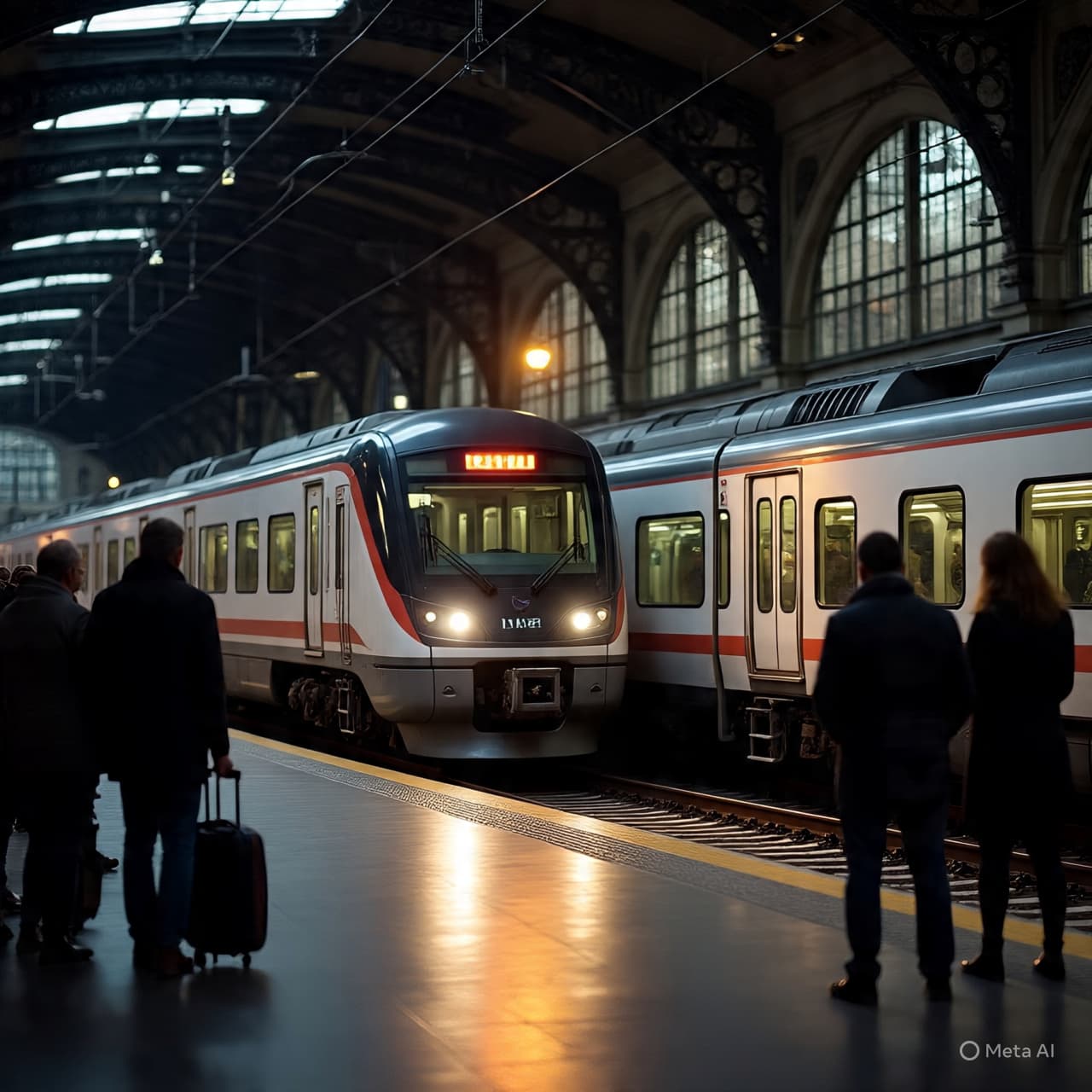
There was a time when the phrase “Die Bahn fährt pünktlich” — the train runs on time — was almost shorthand for how Germans saw themselves: efficient, dependable, orderly. But on a grey morning somewhere between Bern and Berlin, a French passenger quipped that trains only seem punctual once they cross Switzerland’s border. What used to be a stereotype of punctual precision has become a source of exasperation and disbelief, as Germany’s rail system — once a model of reliability — now lags behind many of its European peers.
At the heart of this shift is Deutsche Bahn (DB), the state-owned railway operator that runs nearly all of Germany’s long-distance passenger trains and much of its freight services. In recent months, Deutsche Bahn’s long-distance punctuality data has sunk to record lows, with only around half of long-distance trains arriving on time — a benchmark once taken for granted. Regional services, while better, have also slipped, and long journeys frequently subject passengers to delays, cancellations, or overcrowded carriages.
Much of the trouble reflects decades of underinvestment. After years of prioritizing roads, balancing budgets, and delaying major infrastructure projects, Germany’s rail network — whose signaling systems, tracks and switching equipment often date back many years — creaks under pressure. Network upgrades have repeatedly been postponed, and routine maintenance has struggled to keep pace with rising passenger and freight traffic. The result, according to critics, is a system that is “top heavy” in management but short on engineers, signal operators and the frontline staff needed to keep trains moving smoothly.
Compounding these structural problems are bureaucratic hurdles that can slow even routine work. Long planning processes, complex internal procedures and overlapping responsibilities make it harder for DB to respond swiftly to issues on the ground. Passenger advocacy groups argue that it isn’t just a matter of money: decades of bureaucratic complexity and organizational inertia must be tackled before reliability can truly improve.
Public frustration is palpable. Stories abound of passengers packed like sardines when an adjacent train is canceled at the last minute, of seat reservations muddled or missing entirely, of poor or non-existent Wi-Fi on supposedly high-speed trains — even as Germany touts its climate goals and rail as a green alternative to car travel. Some industry observers suggest that blaming isolated incidents misses the broader context: the system’s performance decline is more structural than incidental.
The federal government has signaled that it recognizes the problem. A 100-billion-euro investment plan aimed at modernizing rail infrastructure has been announced, and the appointment of new leadership at Deutsche Bahn reflects an urgency to stem the decline. But as transport advocates note, turning around decades of erosion won’t be swift — and simply injecting funds without deeper organizational and procedural reforms will not resolve the intricate web of issues.
All this has left many wondering how a nation once synonymous with precision travel could find itself trailing behind neighbors like Switzerland, Austria and the Netherlands — whose railways boast punctuality rates that routinely exceed 90 percent. In the meantime, passengers boarding trains in Frankfurt, Berlin or Hamburg carry both luggage and a quiet hope that, this time, the wheels will turn on time.
AI Image Disclaimer “Illustrations in this article are AI-generated and are intended for conceptual depiction only.”
Sources
• KPBS Public Media — Germany’s train service is one of Europe’s worst. How did it get so bad?
• WJCT News 89.9 — Germany’s train service is one of Europe’s worst. How did it get so bad?
• GBH — Germany’s train service is one of Europe’s worst. How did it get so bad?
Published by Banx Network. This article is part of the Banx decentralized media programme, powered by the BXE token on the XRP Ledger.