The market is rarely patient. It moves in sharp lines and instant reactions, measuring confidence not in years but in minutes. Against that backdrop, Intel’s latest moment unfolded with a familiar tension: a company built on long horizons asking investors to slow down.
As Intel’s stock slid, CEO Lip-Bu Tan spoke not in the language of urgency, but of endurance. He asked for time and resolve—two concepts that sit uneasily in modern markets, especially for a company whose identity was once synonymous with relentless execution and technological certainty. The message was sober, almost restrained, and that restraint itself seemed to unsettle investors.
Intel’s challenges are not new. Years of manufacturing delays, fierce competition from rivals, and shifting industry dynamics have steadily eroded the dominance the company once took for granted. Chips are no longer just components; they are geopolitical assets, supply-chain symbols, and markers of national ambition. Rebuilding leadership in that world is not a quarter-to-quarter exercise.
Tan’s appeal reflects that reality. Reviving Intel’s manufacturing prowess, reasserting relevance in advanced chips, and restoring internal confidence require cycles measured in fabrication plants, not earnings calls. Yet markets operate on a different clock. Share prices register doubt instantly, long before strategies have time to materialize.
There is also a deeper unease at play. Intel’s turnaround depends not only on technical execution, but on belief—belief that the company can still reinvent itself after years of missed steps. When a CEO asks for patience, investors often hear risk. When he asks for resolve, they hear uncertainty about how long the road may be.
Still, the request is not without logic. Semiconductor history is filled with long rebuilds and delayed vindication. The factories Intel is betting on today will define competitiveness years from now, long after current market reactions fade into footnotes. Whether that future justifies today’s losses is the question hanging over the stock.
For now, Intel exists in the uncomfortable space between ambition and proof. The company is asking to be judged not by momentum, but by commitment. In a market trained to reward speed, that may be the hardest case to make of all.
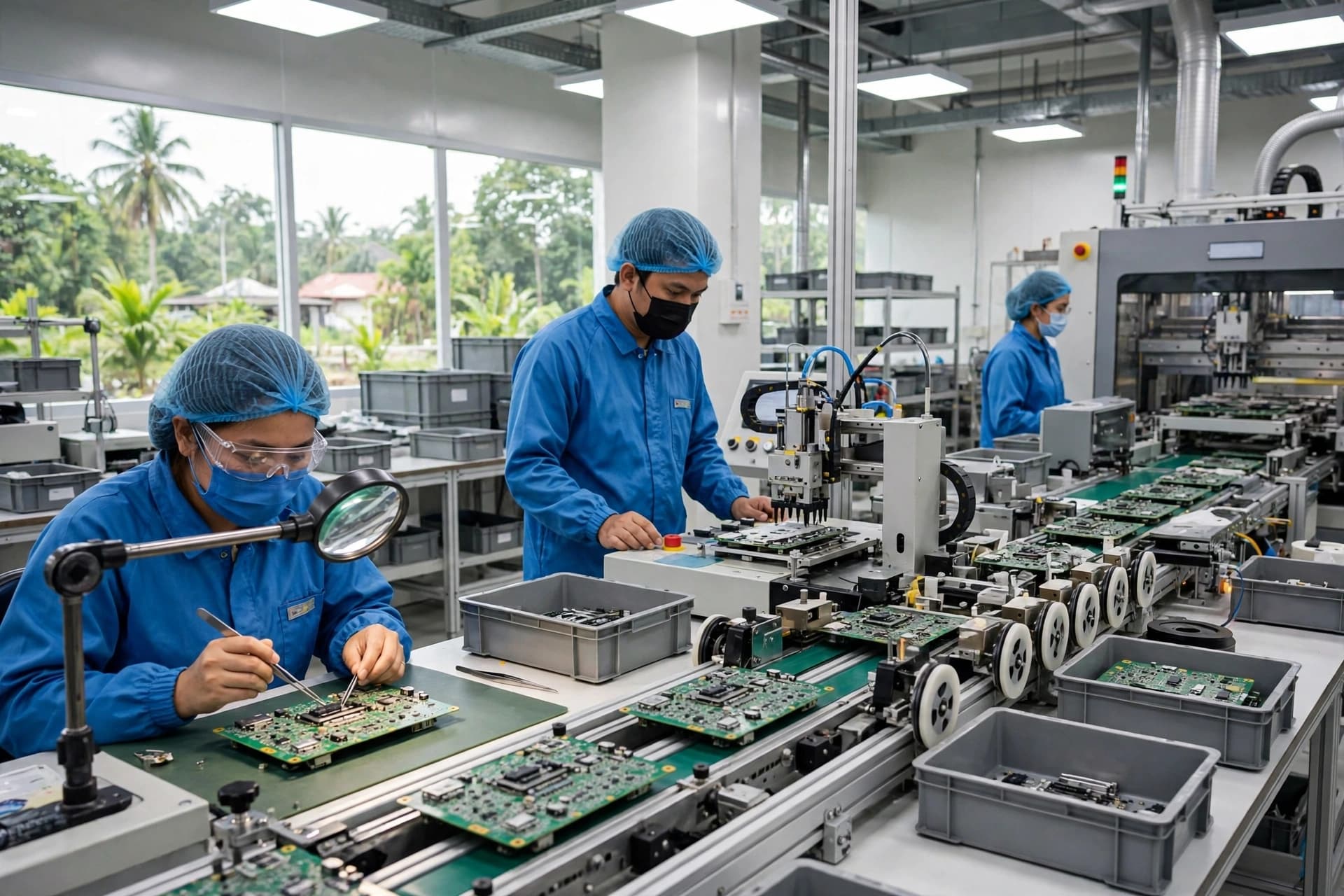
AI Image Disclaimer Visuals are AI-generated and serve as conceptual representations.
Sources (names only) Intel corporate statements Semiconductor industry analysts Market strategists U.S. technology sector reports
Published by Banx Network. This article is part of the Banx decentralized media programme, powered by the BXE token on the XRP Ledger.