In the calm of a Sunday morning studio, with the soft glow of winter light filtering through London’s streets, British Prime Minister Sir Keir Starmer delivered a message laden with nuance and political calculation — one that marks a notably pragmatic shift in the United Kingdom’s evolving post‑Brexit relationship with the European Union. After years of diplomatic friction and economic separation, Starmer said Britain should seek closer alignment with the EU single market where it serves the nation’s interests, emphasising a selective, “issue‑by‑issue” approach rather than a blanket return to former ties.
Speaking on the BBC’s Sunday with Laura Kuenssberg programme, Starmer outlined a vision in which the UK builds on recent agreements with Brussels — such as rejoining the Erasmus+ student exchange in 2027, talks on electricity market integration, and progress on a food and drink trade deal — by going further to align rules and standards where doing so boosts economic cooperation and growth. He described the relationship with the EU as stronger than it has been in a decade, and said this pragmatic real‑ignment could be pursued without rolling back core Brexit red lines.
Crucially, Starmer reaffirmed that freedom of movement — a central principle of the EU single market — is not on the table, even as he hinted at new initiatives such as a youth mobility scheme similar to those enjoyed by other non‑EU nations. At the same time, he ruled out rejoining the customs union, despite having personally supported it in earlier years, saying that recent trade deals with countries like the United States and India make the single market a more attractive focus for future alignment.
Starmer’s remarks have reignited a long‑running debate in British politics about the legacy and future of Brexit. Critics on the right — including members of the Conservative Party — have accused him of “undoing” Brexit and surrendering sovereign powers by moving closer to EU rules. Meanwhile, some pro‑EU voices inside and outside Parliament argue that deeper integration with the single market could help strengthen the UK economy and reduce trade barriers that have persisted since 2020.
Within Starmer’s own Labour Party, there is also a range of views on how far closer EU ties should go. Some backbenchers and union leaders have called for even more ambitious moves — such as re‑entering the customs union — while others urge caution to avoid alienating voters who supported Brexit. The prime minister’s stance appears to be a deliberate balancing act — aiming to maximise economic cooperation with Europe while maintaining core post‑Brexit sovereignty.
As the UK charts its next chapter in international relations, Starmer’s call for closer alignment with the EU single market illustrates the ongoing search for a pragmatic path forward: one that navigates between the lessons of the past and the economic realities of a deeply interconnected region.
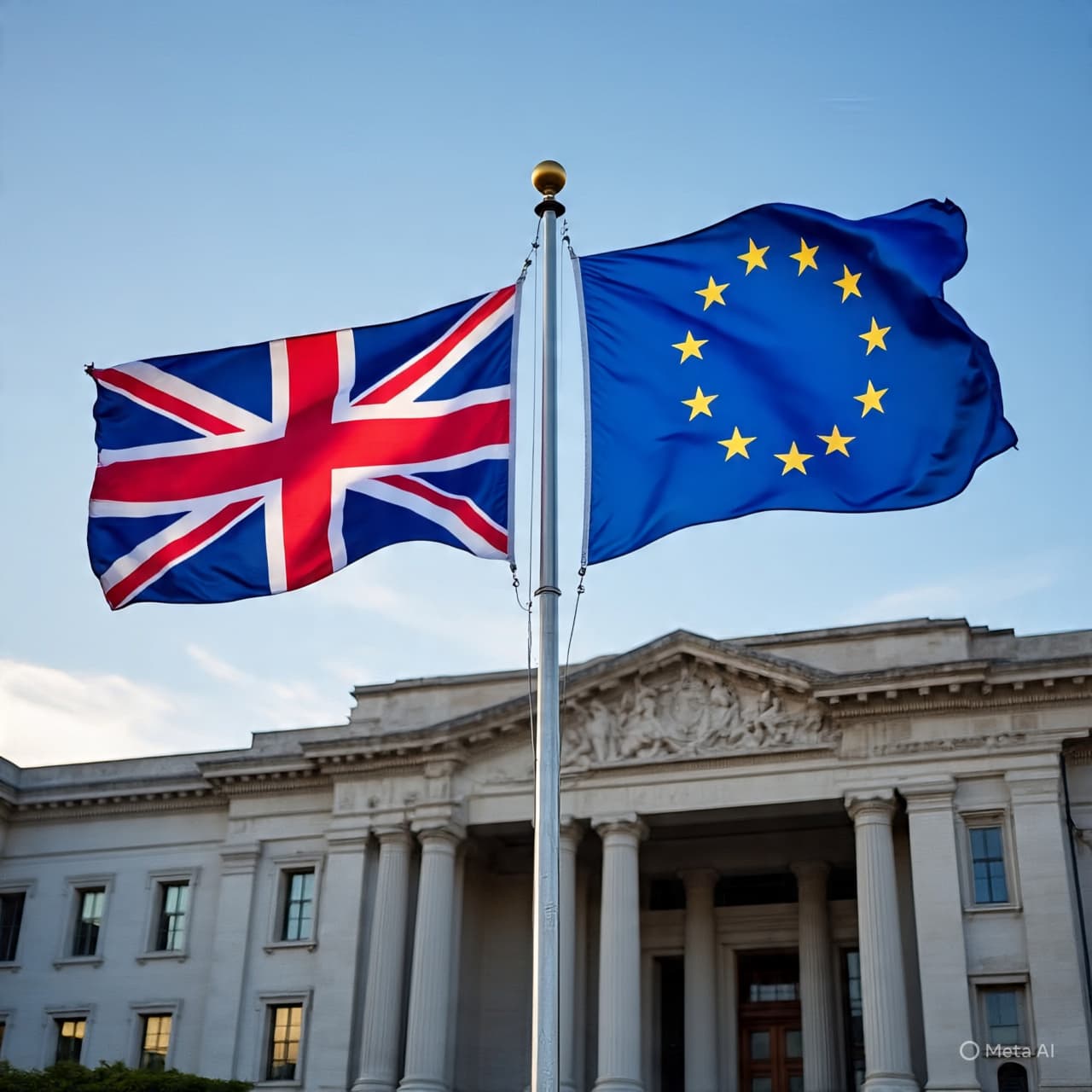
AI Image Disclaimer “Images in this article are AI‑generated illustrations, meant for concept only.”
Sources Reuters, Financial Times, PA Media/BBC reporting on Starmer’s interview and UK policy on EU single market alignment.
Published by Banx Network. This article is part of the Banx decentralized media programme, powered by the BXE token on the XRP Ledger.