The movement of fashion has changed dramatically in recent years. Clothing once traveled mainly through department stores, shopping streets, and familiar retail chains. Today, thousands of small parcels can arrive directly at homes after only a few taps on a smartphone. In France, that transformation has brought renewed attention to the commercial and environmental footprint of ultra-fast fashion.
France introduced new fees aimed at ultra-fast fashion sales involving platforms such as Shein and Temu. The measure forms part of a broader effort to address the rapid growth of low-cost online fashion and its effects on the retail market.
The business model of ultra-fast fashion depends heavily on large numbers of inexpensive products being offered to consumers through digital platforms. Frequent product releases and low prices can encourage customers to purchase clothing more often, creating a different rhythm from traditional seasonal fashion collections.
For French retailers, the rise of online platforms has changed the competitive landscape. Physical stores carry costs associated with rent, employees, logistics, and inventory, while digital platforms can reach customers directly through online marketplaces and international shipping networks.
The new fees add another element to that competition. By increasing costs associated with certain ultra-fast fashion transactions, France is changing part of the economic equation surrounding inexpensive imported products. The measure could influence prices, purchasing behavior, or the way platforms organize their operations.
The issue also reaches beyond individual clothing purchases. Ultra-fast fashion has become closely associated with questions surrounding production volumes, packaging, transportation, and the lifespan of garments. As consumers receive more products through direct-to-home delivery, the logistics behind each purchase become increasingly visible.
For online fashion companies, the French market is therefore becoming an environment in which price competitiveness must coexist with additional costs. Platforms may need to consider whether those costs are absorbed internally or passed on to consumers.
French consumers, meanwhile, may see changes in the final price of certain purchases. Whether that produces a significant shift in shopping habits will depend on the size of the additional costs and how consumers compare online prices with traditional retailers.
The French retail market remains diverse, and ultra-fast fashion represents only one part of the wider clothing industry. Still, the new fees mark another stage in the changing relationship between digital marketplaces and traditional commerce.
As online shopping continues to reshape the movement of goods across Europe, France's approach will be watched by retailers, consumers, and international platforms. The story is ultimately about more than clothing: it reflects how a modern retail system continues to balance convenience, price, logistics, and changing consumer habits.
AI IMAGE DISCLAIMER
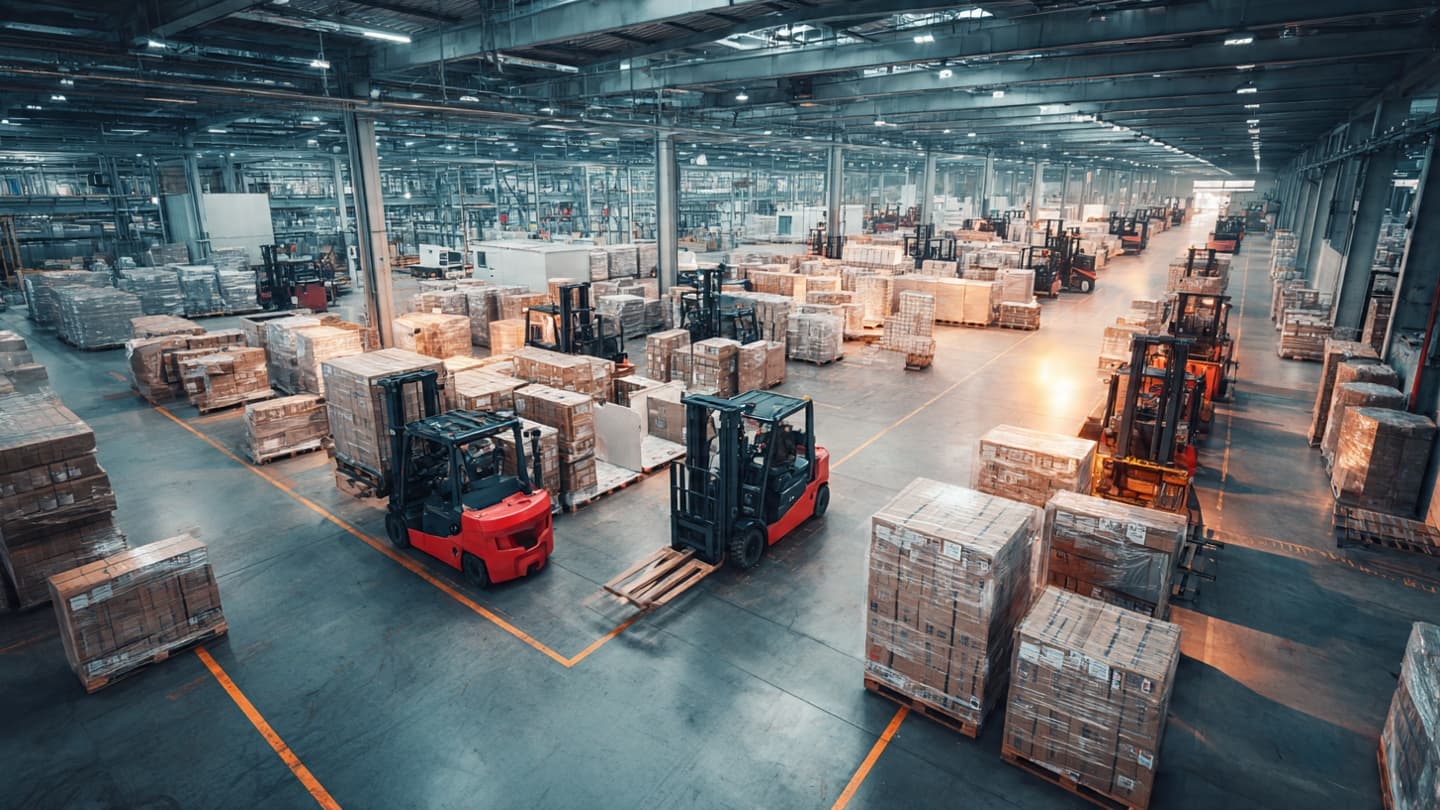
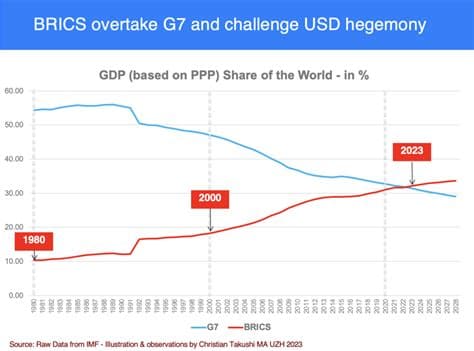
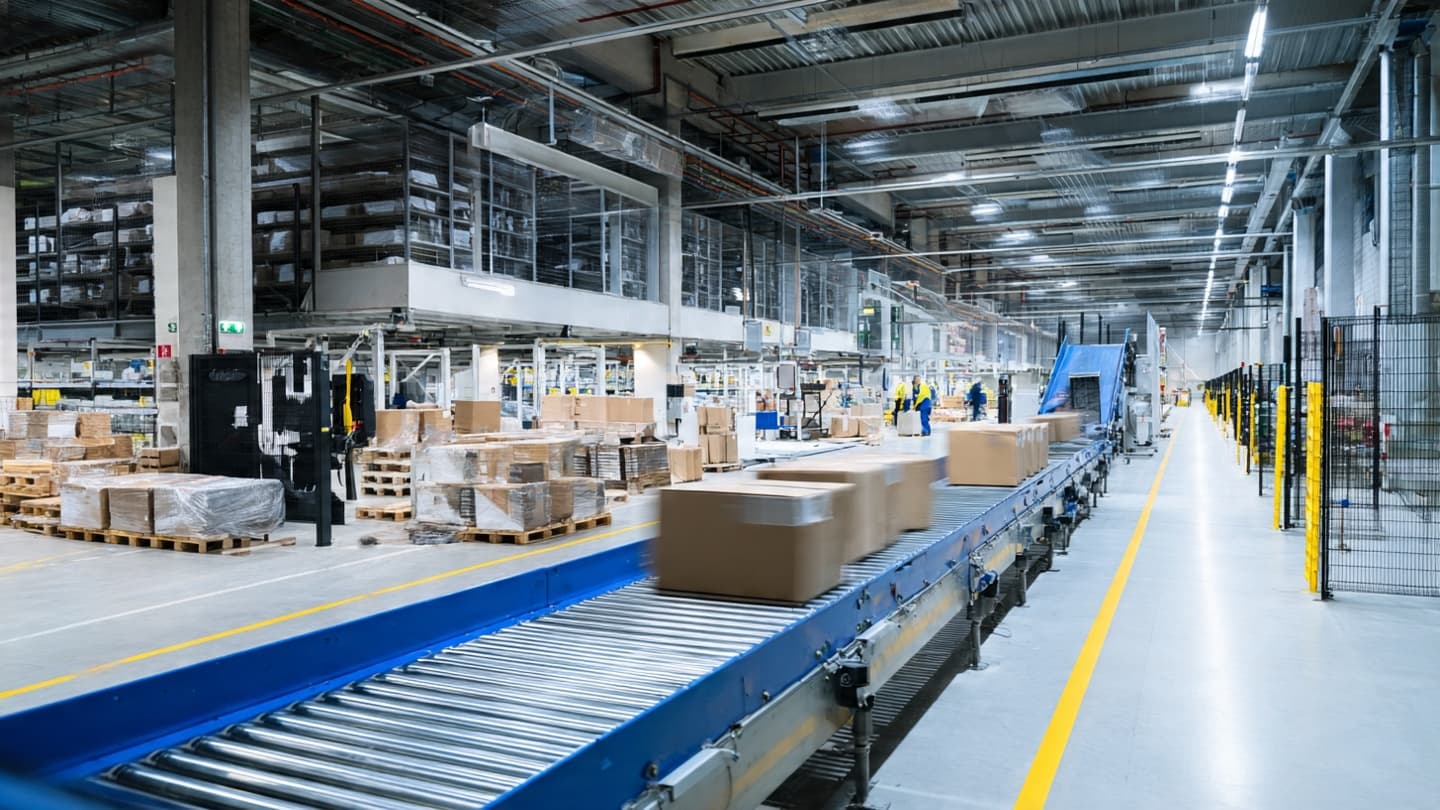
These images were produced using AI as conceptual visualizations of France’s evolving retail and fashion landscape.
SOURCES
Reuters
Published by Banx Network. This article is part of the Banx decentralized media programme, powered by the BXE token on the XRP Ledger.