In many cities, the quietest tensions live not in the streets but in the paperwork. They rest in clauses and covenants, in years counted down on leases, in the subtle difference between owning something outright and holding it for a time. On an ordinary weekday, as cranes pause mid-swing and offices hum with routine, the ground beneath property markets is being carefully, and cautiously, reconsidered.
Across the housing and commercial landscape, proposals to reform leasehold systems have gathered momentum, framed as an effort to simplify ownership and rebalance power between freeholders and leaseholders. The intention, supporters say, is clarity and fairness—shorter routes to ownership, fewer fees that feel inherited rather than earned, and a system easier to explain to those who live within it.
Yet among investors, developers, and lenders, the conversation carries a softer unease. Experts warn that a rapid or sweeping shake-up of leasehold rules could unsettle confidence, particularly in sectors where long-term certainty underpins large financial commitments. Property investment, by its nature, leans heavily on predictability: the slow math of returns measured over decades, not quarters.
Leasehold structures, especially in dense urban markets, have long shaped how residential towers are financed and managed. Ground rents, service charges, and lease lengths form part of the financial architecture that allows projects to move from blueprint to skyline. Changes to these foundations, analysts caution, may cause investors to pause, reassess risk, or redirect capital elsewhere, at least until new rules are clearly understood.
Developers, too, face practical questions. Adjusting to revised ownership models can mean reworking contracts, altering funding arrangements, and recalibrating sales strategies. For international investors—already navigating shifting interest rates and global uncertainty—regulatory change adds another variable to weigh before committing funds.
Supporters of reform argue that these adjustments are necessary, and that a healthier, more transparent system will ultimately attract investment rather than repel it. They point to long-standing complaints from leaseholders who feel locked into opaque arrangements, and to the social value of housing systems that are easier to navigate and fairer in practice.
Still, experts emphasize that timing and clarity matter. Abrupt transitions or unclear guidance, they say, risk creating a holding pattern—projects delayed, capital cautious, decisions deferred. Markets tend to respond not just to policy itself, but to how confidently it is communicated and how steadily it is introduced.
As policymakers weigh next steps, the leasehold debate unfolds quietly, away from construction sites and showrooms, but no less influential. In the end, the outcome may hinge on balance: reform that moves with intention rather than haste, offering reassurance alongside change. For now, the property world waits, reading the fine print, listening for signals, and deciding when—and where—it feels safe to build again.
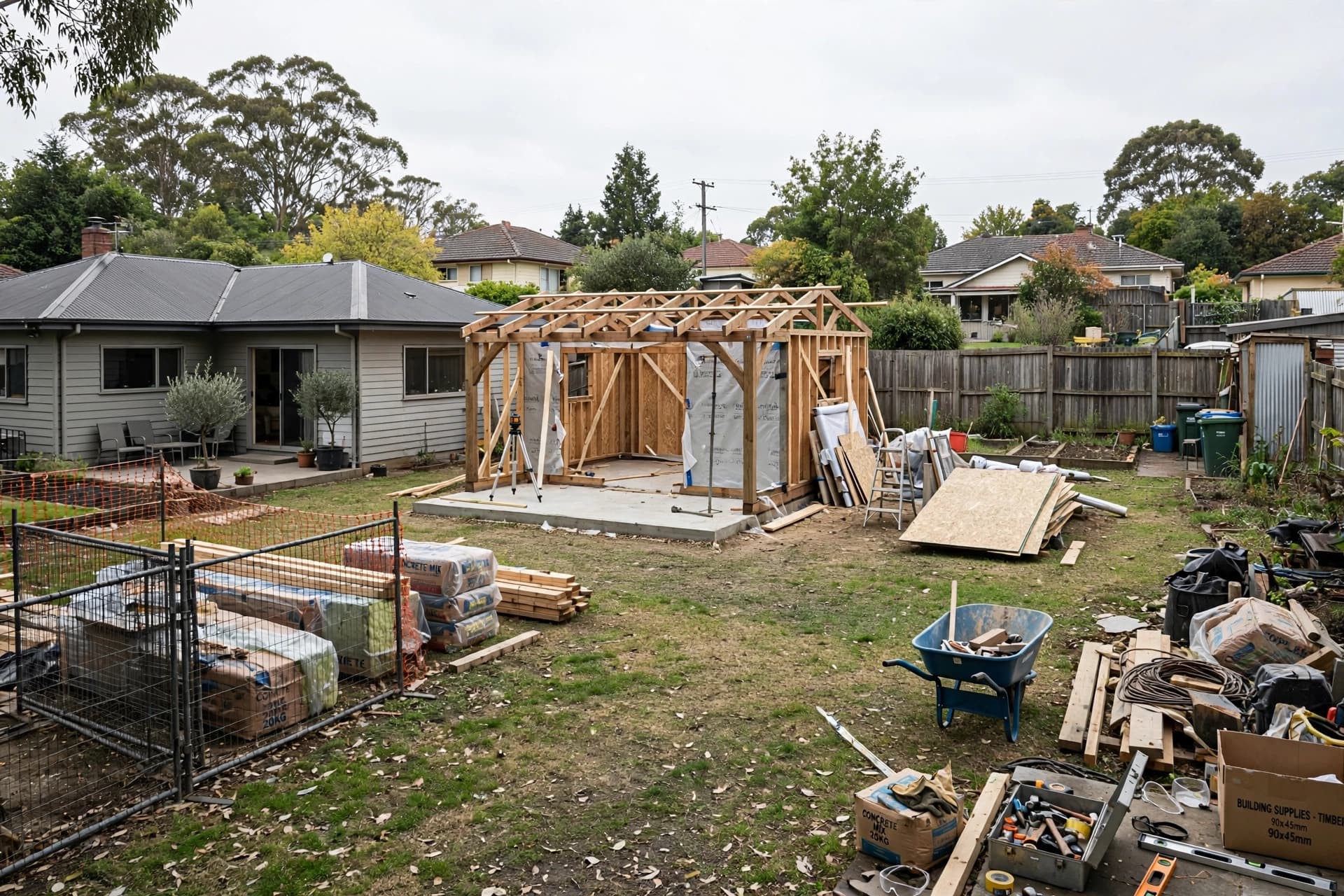
AI Image Disclaimer Visuals are AI-generated and serve as conceptual representations.
Sources Reuters Financial Times UK housing policy analysts Real estate investment consultants Property industry associations
Published by Banx Network. This article is part of the Banx decentralized media programme, powered by the BXE token on the XRP Ledger.