
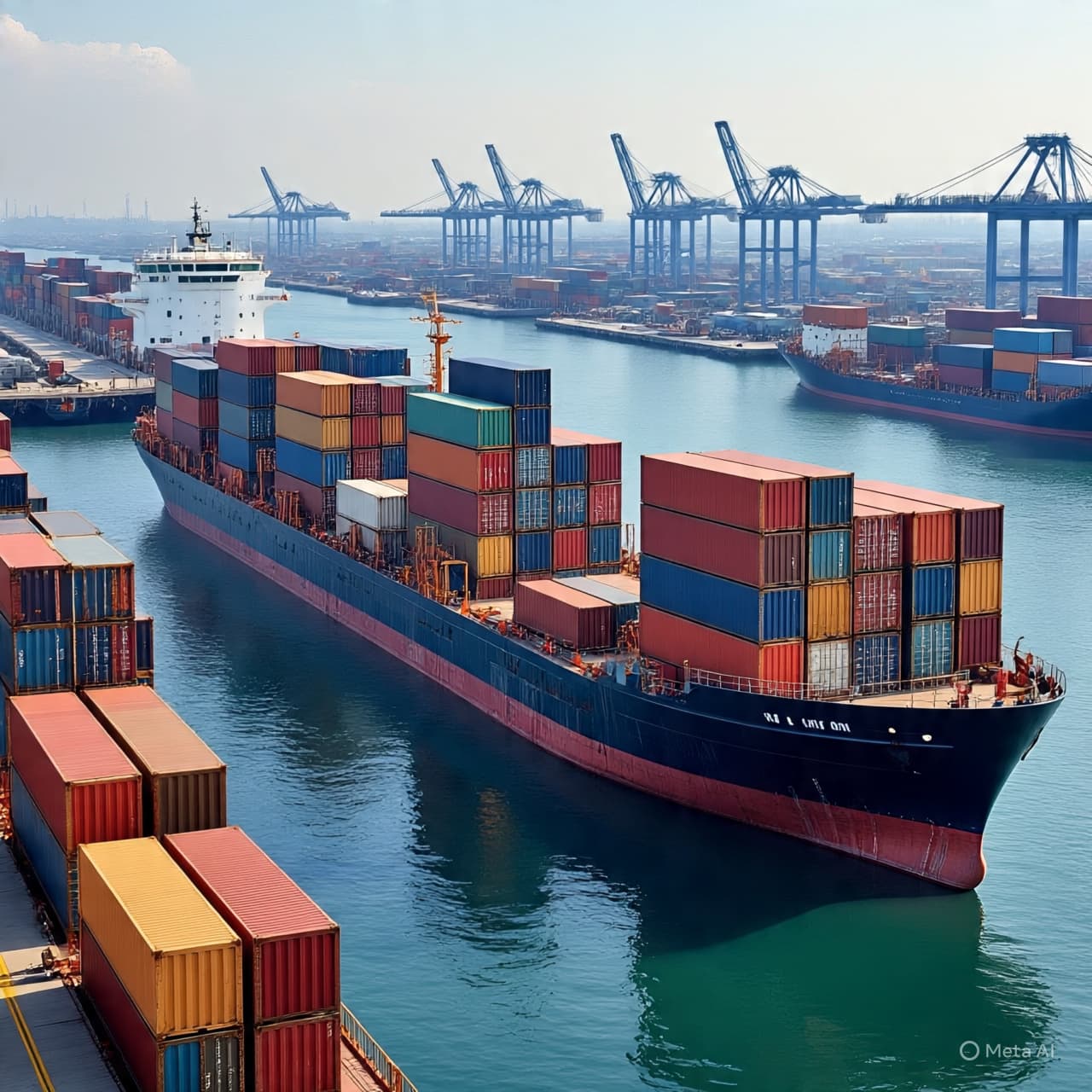
In the golden light of a Paraguayan morning, where the Río Paraguay threads through quiet streets and open skies, representatives from two distant expanses of the world gathered in Asunción to give form to an idea long in the making. For more than a quarter of a century, negotiators, diplomats, and trade officials have walked the path toward a common vision — one where barriers between markets would yield to the promise of shared prosperity. This week, that vision took a defining shape as the European Union and the Mercosur bloc of South American nations signed a landmark free trade agreement that, once fully ratified, would knit together more than 700 million consumers across continents.
The accord, wrapping up more than 25 years of complex negotiations, is being noted for its breadth and ambition. It is expected to eliminate tariffs on the vast majority of goods traded between the European Union and the Mercosur members — Argentina, Brazil, Paraguay, and Uruguay — over the coming years, easing the flow of everything from industrial machinery and automobiles to agricultural products and raw materials. In doing so, it lays the groundwork for what could become one of the world’s largest free trade zones, a meeting of markets previously separated by oceans and policy.
For many leaders involved, the signing carries meaning beyond economics alone. European officials have framed the agreement as a reaffirmation of multilateral cooperation at a time when global trade is increasingly shaped by tension and fragmentation. For Mercosur countries, the deal represents a chance to diversify export destinations, deepen access to high-income markets, and reinforce the bloc’s relevance on the global stage, particularly for agricultural producers and manufacturing sectors seeking steadier demand.
Even so, the moment is not without its quiet complications. The agreement must still pass through ratification by the European Parliament and the national legislatures of the Mercosur states. Within Europe, concerns remain among some farming groups over increased competition from South American imports, while environmental safeguards and sustainability commitments continue to draw scrutiny. These debates suggest that while the signatures mark a milestone, the road ahead will be shaped by domestic politics as much as international intent.
As delegations dispersed from ceremony halls into the warmth of the city, the agreement lingered as both document and symbol — a reminder that trade deals are as much about geography and timing as they are about numbers. From ports along the Atlantic to inland farms and factories, its effects will unfold gradually, shaped by how nations choose to balance openness with protection.
In straightforward terms, the European Union and the Mercosur bloc of South American nations have signed a landmark free trade agreement after more than two decades of negotiations, aiming to eliminate most tariffs between the two regions and create a vast integrated market, pending formal legislative approval on both sides.
AI Image Disclaimer Illustrations were created using AI tools and are not real photographs.
Sources (Media Names Only) Associated Press Reuters Financial Times Al Jazeera BBC News
Published by Banx Network. This article is part of the Banx decentralized media programme, powered by the BXE token on the XRP Ledger.

.jpg&w=3840&q=75 "Man Tapes Ears to His Head in Bizarre Attempt to Enter Poland With False Passport")
