The artificial-intelligence economy is no longer shaped only by the machines that calculate. Increasingly, it is also shaped by the models, software communities, and platforms that determine what those machines can do.
That landscape shifted again after Nvidia agreed to acquire Hugging Face for $12.9 billion, according to a Reuters report citing The Information. Hugging Face operates a major repository and platform for open-source artificial-intelligence models.
For Nvidia, the proposed acquisition would extend its reach beyond the semiconductor hardware that has made the company one of the most important businesses in the AI boom. Its chips provide much of the computing power required to train and operate advanced AI systems.
Hugging Face occupies a different part of the ecosystem. Its platform brings together developers, researchers, and companies working with machine-learning models, datasets, and software tools.
The combination could therefore connect computing infrastructure with a large community of AI developers. For Nvidia, that creates an opportunity to become more deeply involved in the software layer surrounding the hardware.
The move also reflects how quickly the AI industry is expanding beyond a simple competition between chipmakers. Cloud providers, model developers, software companies, data-center operators, and specialized startups are increasingly interconnected.
Open-source models are particularly important because they allow developers to experiment with and adapt AI technology without depending entirely on a single proprietary system. That has helped create a broad community of researchers and businesses developing applications across many industries.
Nvidia's interest in that ecosystem comes as demand for AI computing continues to grow. The company recently projected extremely strong future revenue growth, helping reinforce investor confidence in the broader AI investment cycle.
Yet the size of AI investment also creates questions about sustainability. Companies are spending enormous amounts on data centers, chips, networking equipment, and electricity, while investors are trying to determine how quickly those investments will generate lasting commercial returns.
The Hugging Face deal therefore represents more than another large technology transaction. It illustrates how the boundaries between hardware, software, research communities, and commercial AI platforms are becoming increasingly difficult to separate.
As artificial intelligence develops, the companies controlling different layers of the ecosystem may increasingly seek closer connections. Nvidia's move toward Hugging Face suggests that the next phase of the AI industry may be defined not only by faster chips, but also by the software communities built around them.
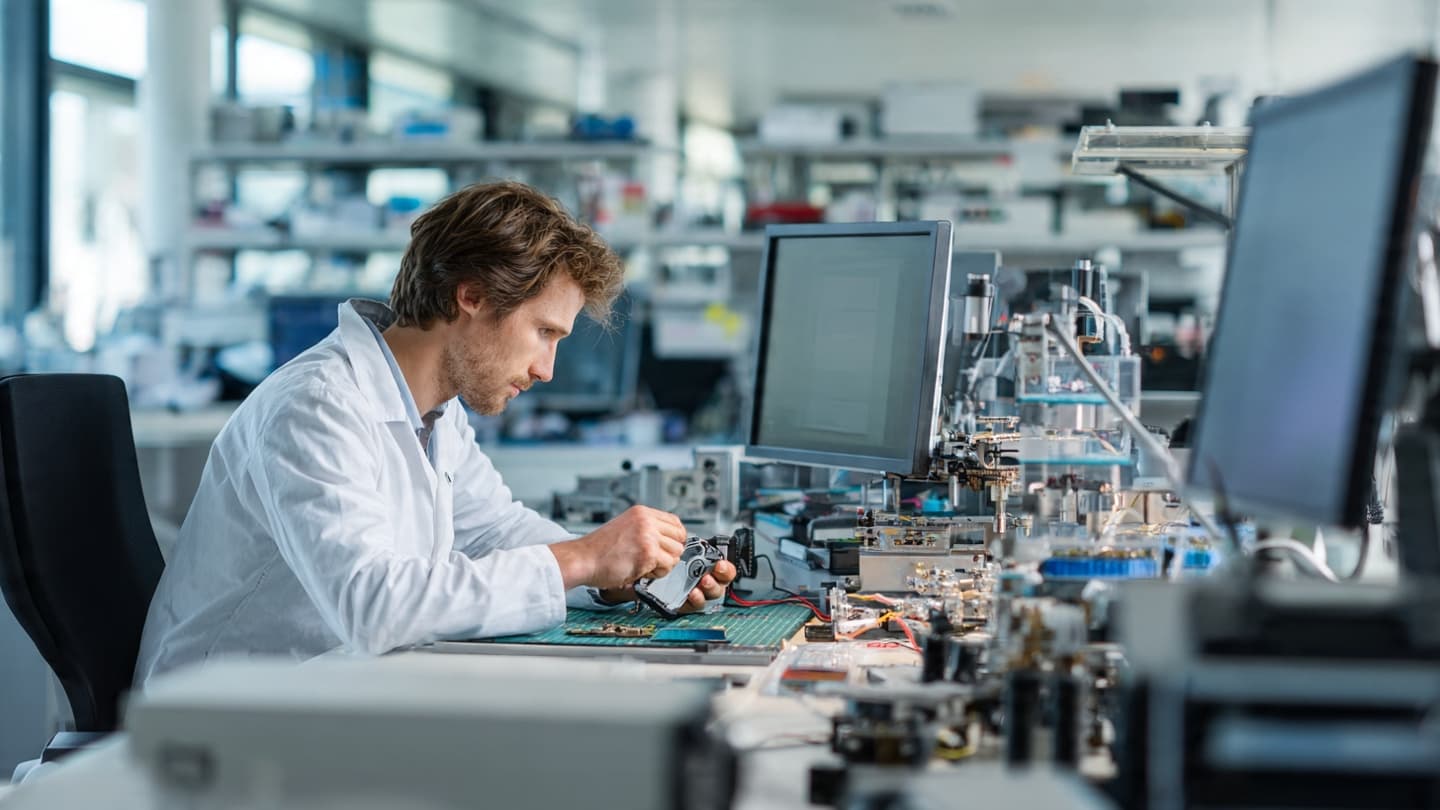
AI Image Disclaimer These illustrations were created using AI tools as conceptual representations of the technology sector and do not portray actual Nvidia or Hugging Face facilities.
Sources Reuters The Information Hugging Face
Published by Banx Network. This article is part of the Banx decentralized media programme, powered by the BXE token on the XRP Ledger.