
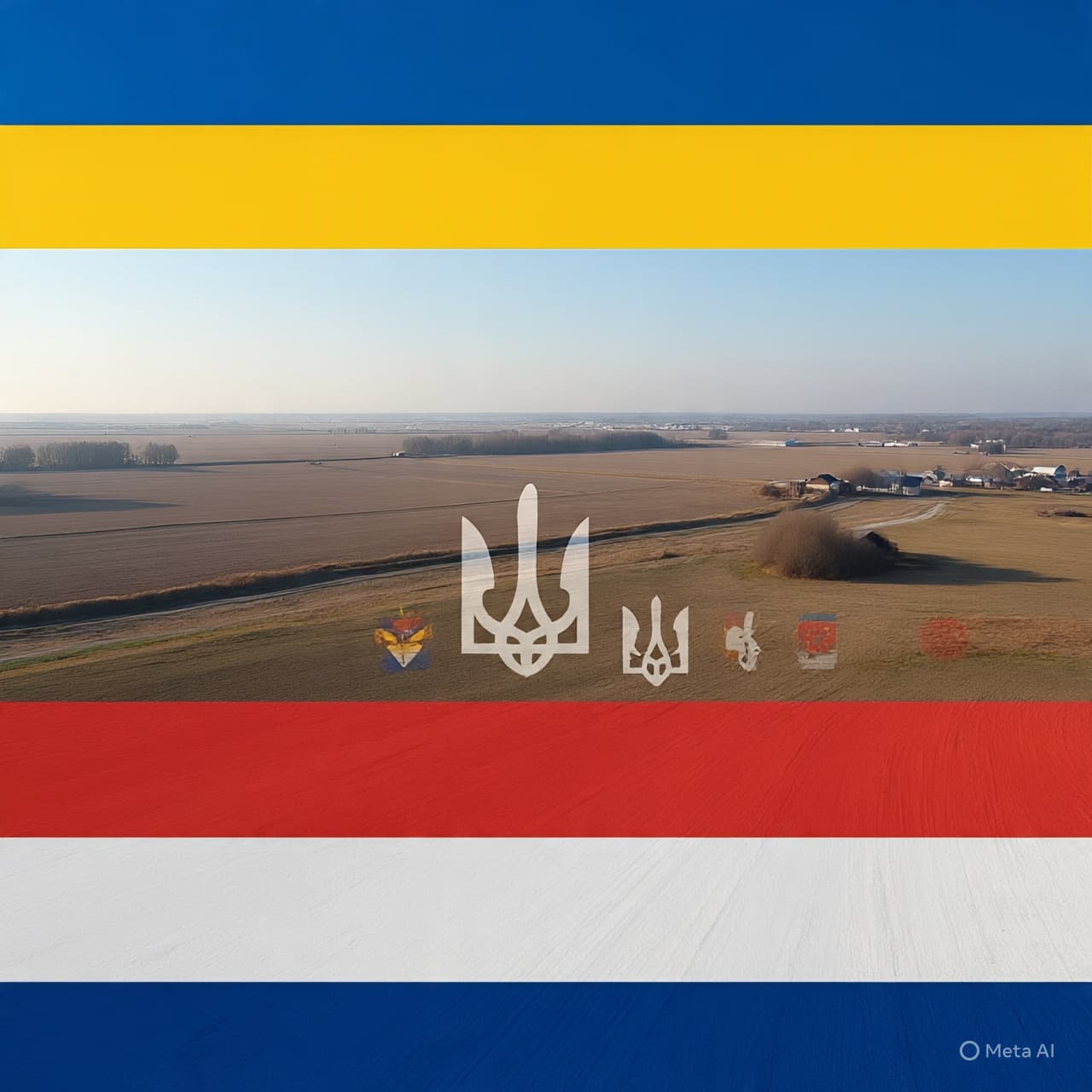
In the stark light of early January, as winter’s breath lingers over the Ukrainian landscape, the southern front has become a kind of crucible — a place where strategy and strain meet under conditions that test both body and spirit. Along open countryside near the town of Huliaipole in Zaporizhzhia region, Ukrainian defenders find themselves confronting not just a determined adversary but the limits of their own resources, where intense pressure from Russian forces and shortages of trained infantry are reshaping the fight.
In recent weeks, Russian brigades have pushed across stretches of open terrain, capturing hundreds of square kilometres and tightening their grip on areas that Ukraine once held more securely. An officer with Ukraine’s security service described the situation as “intense,” underscoring the growing weight of sustained combat and territorial gains by Russian units. In battles around Huliaipole — roughly 80 km east of the Zaporizhzhia regional capital — Russian forces outnumber Ukrainian defenders, pressing forward in small, agile infantry groups while probing for the most lightly defended positions.
For Ukraine, a key component of the challenge is manpower. Many units in the south are less well-equipped and operating with fewer soldiers than their opponents. Analysts point to a shortage of infantry and the difficulty of rotating battered troops out of the line for rest and reconstitution as a central issue. Huliaipole and surrounding villages are now described by some independent monitors as “grey zones,” where control remains contested but local defenders find themselves stretched thin against a numerically superior foe.
This shortage echoes broader concerns about Ukraine’s ability to sustain long frontline engagements along nearly 1,000 km of battle lines. Commanders must make hard choices about where to deploy their limited forces, deciding when to defend, when to withdraw, and where gaps might form that an adversary could exploit. For all the ingenuity shown in other aspects of the conflict, including the extensive use of drones in open terrain, the lack of fresh infantry remains a critical constraint that shapes operational options.
Adding to the strain are reports of Ukrainian brigades suffering heavy losses over months of continuous fighting without adequate time to recover. Units that have held positions for long periods have seen morale and manpower erode, making it harder to hold defensive lines against sustained Russian advances. In one instance, even a Ukrainian command post was overrun, with videos circulating of Russian troops examining equipment left behind after defenders pulled back.
Despite these challenges, Ukrainian forces continue to defend key areas, adapt tactics, and call for reinforcements. The emotional intensity of the situation resonates not just with military planning but with the civilians whose lives are intertwined with these contested towns. Yet in the face of persistent pressure and difficult strategic choices, the stress on Ukraine’s southern lines underscores a broader reality: where attrition and resource limits converge, the human cost of prolonged conflict becomes most evident.
AI Image Disclaimer Illustrations were produced with AI and serve as conceptual depictions, not real photographs.
Sources CNN/Newsource reporting via NewsPressNow Yahoo News UK coverage of the same CNN report
Published by Banx Network. This article is part of the Banx decentralized media programme, powered by the BXE token on the XRP Ledger.
.jpg&w=3840&q=75 "Blake Lively Awarded $400,000 in Legal Fees After Justin Baldoni Lawsuit Dismissed")
.jpg&w=3840&q=75 "US Declares Drought Disaster for Parts of Puerto Rico as Dry Conditions Persist")
