Diplomacy often moves like a quiet current beneath the visible waves of conflict. It flows steadily, unseen yet essential, carrying messages between capitals even when storms gather on the horizon. But sometimes, when thunder echoes too close to shore, even the most seasoned envoys must step back from the water’s edge. In the wake of Iran’s retaliatory strikes across the region, the United States has withdrawn part of its diplomatic staff from Qatar. The decision, framed as a precautionary security measure, reflects the delicate geometry of a region where alliances intersect and tensions reverberate beyond borders. While no direct attack targeted U.S. facilities in Qatar, the atmosphere itself has shifted—charged, uncertain, and heavy with possibility. The retaliatory actions by Iran followed escalating confrontations involving the United States and its regional partners. In this unfolding narrative, embassies become more than buildings; they stand as symbols of presence, dialogue, and influence. When staff are reduced or temporarily relocated, it signals not only concern for safety but also a recalibration of diplomatic posture. Qatar occupies a distinctive space in this equation. As host to the strategically significant Al Udeid Air Base, one of the largest American military installations in the region, the country has long served as a bridge—between East and West, between confrontation and conversation. Its role as mediator in various regional disputes underscores its reputation as a steady interlocutor in turbulent times. The temporary adjustment of U.S. diplomatic staffing, therefore, does not erase partnership; rather, it reflects a moment of caution amid uncertainty. For Washington, such measures are not unfamiliar. In periods of heightened alert, diplomatic footprints are often reassessed. Families may depart, non-essential personnel may be relocated, and security postures quietly tighten. These decisions are rarely declarations of retreat. Instead, they are acknowledgments that safety must precede symbolism. At the same time, Doha’s response has remained measured. Qatari authorities continue to emphasize stability and coordination with international partners. Air traffic flows, government offices operate, and daily life moves forward—subtly aware of the wider regional tremors yet grounded in routine continuity. In moments like these, resilience is expressed not through loud declarations, but through calm persistence. The broader regional picture remains fluid. The exchange of signals—military, political, rhetorical—between Washington and Tehran unfolds against a landscape already shaped by long-standing rivalries. Each step, whether a missile launch or a diplomatic withdrawal, becomes part of a larger choreography. The question is not merely who moves next, but how the dance might slow before miscalculation deepens the divide. For now, the withdrawal of U.S. diplomatic personnel from Qatar stands as a precaution, not a rupture. It is a reminder that in geopolitics, presence and absence both speak. And sometimes, stepping back is less about fear and more about preserving the space in which dialogue might one day return with steadier footing. As events continue to develop, governments across the region watch closely, weighing caution against continuity. The hope, quiet but persistent, is that the current storm will pass without widening into something far more enduring.
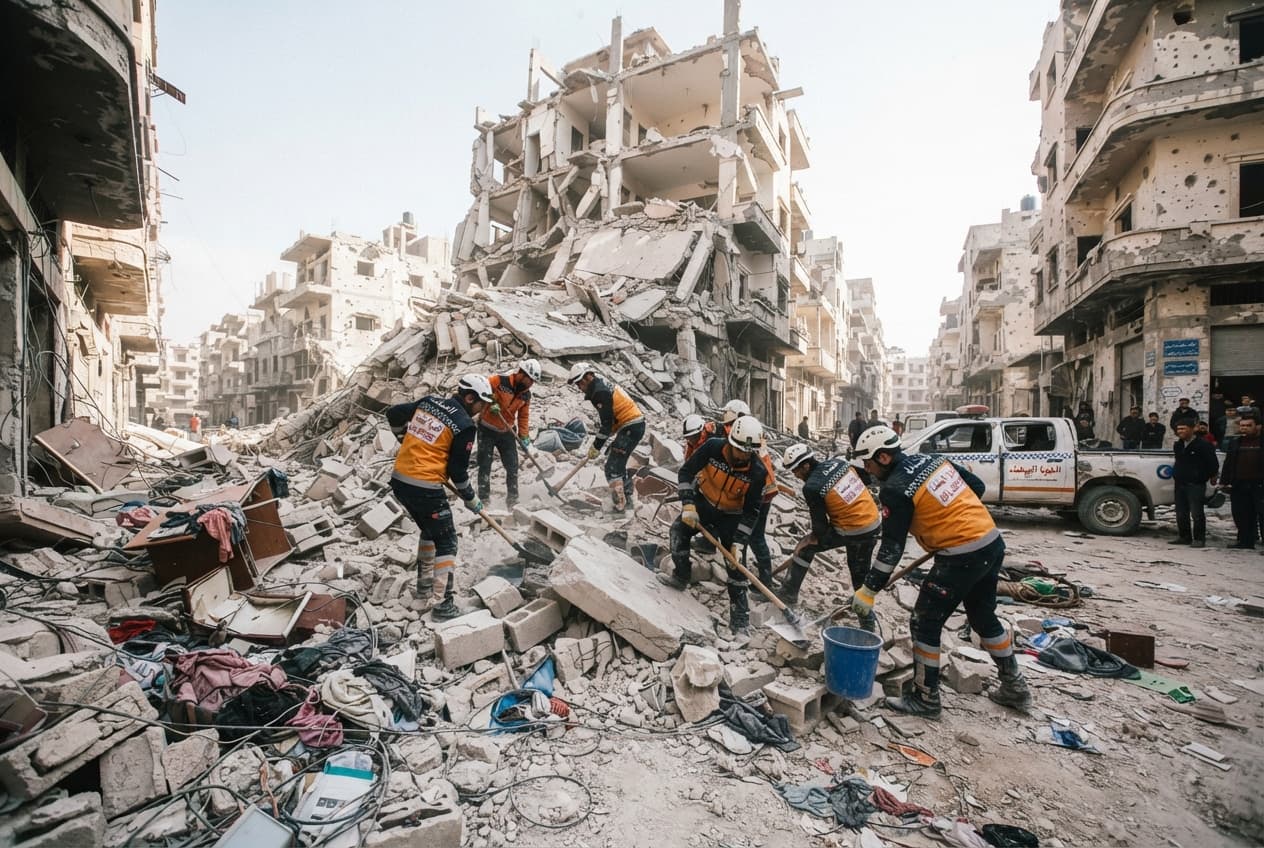
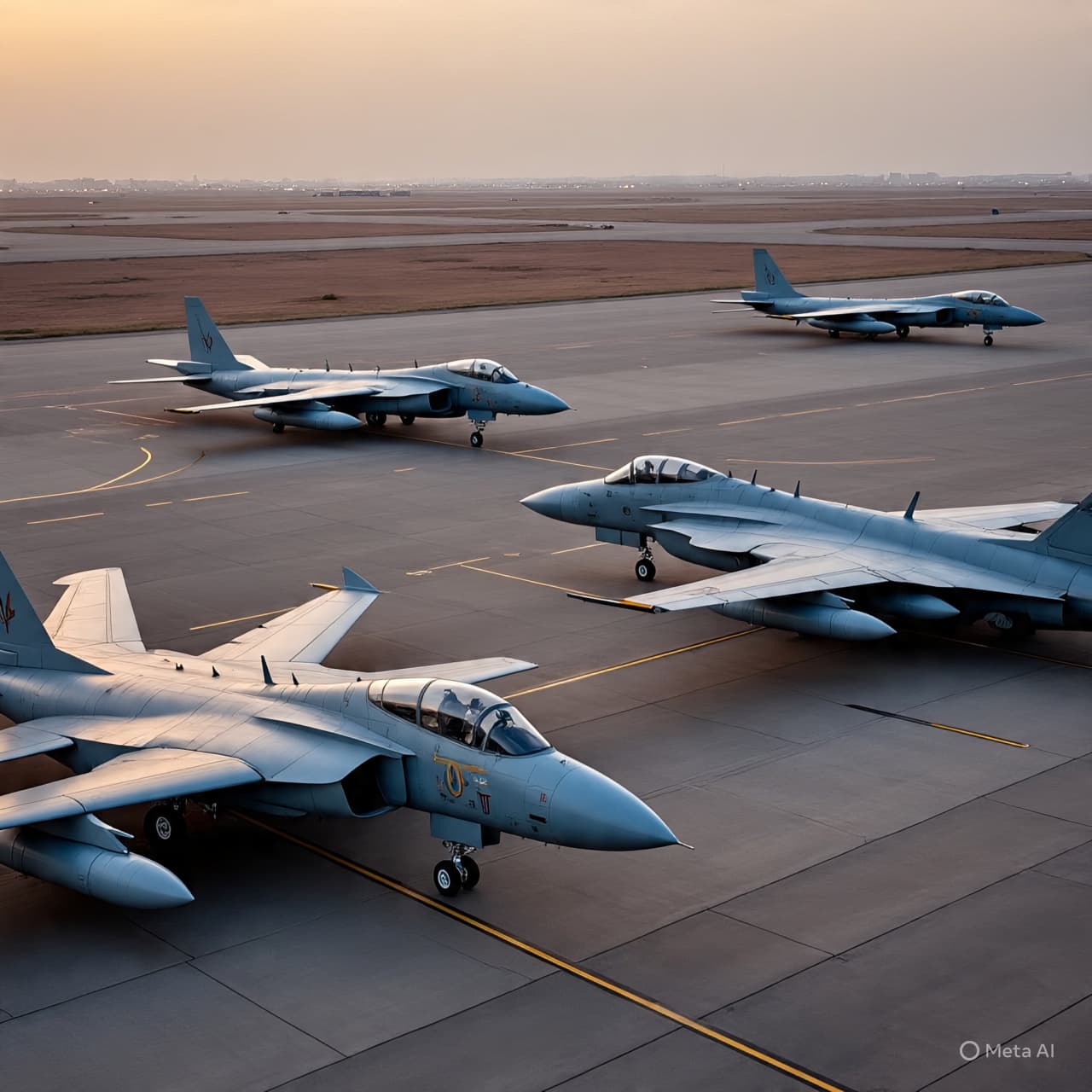
AI Image Disclaimer
Visuals are created with AI tools and are not real photographs.
SOURCE CHECK
Credible mainstream and international outlets covering this development include: Reuters Al Jazeera The Associated Press BBC News The New York Times
Published by Banx Network. This article is part of the Banx decentralized media programme, powered by the BXE token on the XRP Ledger.