Long before illness becomes visible, the body is already changing. Cells alter their behavior, proteins shift and biological signals move quietly through the bloodstream. Modern medicine has learned to detect some of these changes, but Japanese researchers are increasingly asking whether artificial intelligence can recognize patterns that human eyes might overlook.
Japan's research institutions and technology companies have been expanding the use of artificial intelligence in medical research, particularly in areas involving image analysis, biological data and diagnostic support. The broader development reflects Japan's effort to combine its advanced technology sector with a healthcare system facing an aging population.
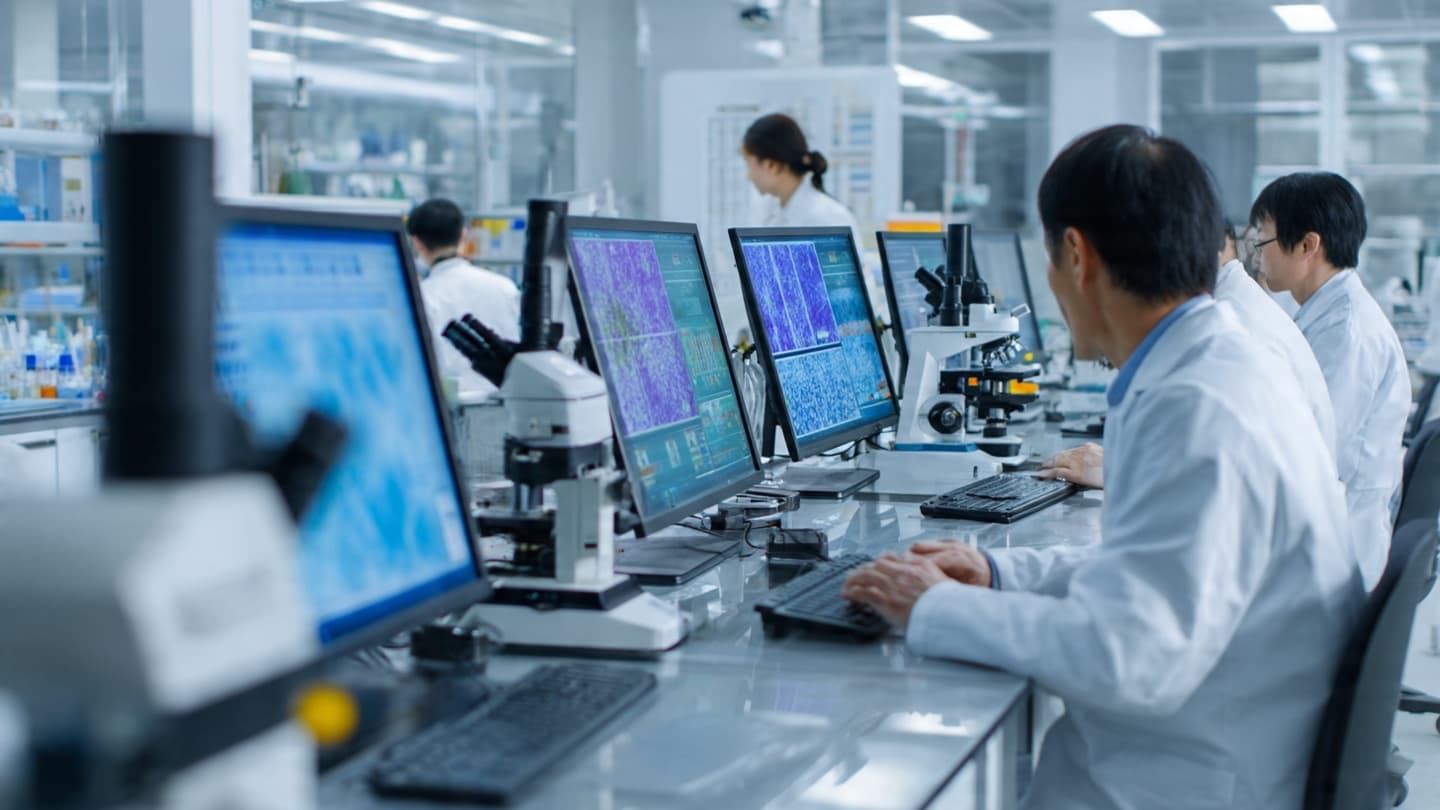
Medical imaging has become one of the most established areas for AI research. Algorithms can examine large numbers of X-rays, CT scans and other images, identifying visual patterns that may require further examination. Rather than replacing doctors, such systems are generally designed to provide an additional layer of analysis.
The attraction is partly mathematical. A medical specialist may examine thousands of images during a career, while a computer can process far larger datasets in a much shorter period. With properly trained systems, researchers can compare subtle patterns across enormous collections of medical information.
Japan's aging population adds another reason for pursuing these technologies. As the proportion of older citizens increases, demand for medical services is expected to remain substantial. Tools that can help doctors prioritize cases or detect abnormalities could potentially support healthcare workers facing growing workloads.
The research extends beyond images. Artificial intelligence can analyze genetic information, electronic health records and molecular data, creating opportunities to study connections between biological characteristics and disease. These applications remain scientifically complex because biological systems rarely follow simple patterns.
Privacy is therefore an important part of the discussion. Medical datasets contain highly sensitive information, and researchers must design systems that protect patient confidentiality while still allowing algorithms to learn from sufficient data.
Accuracy is another challenge. An AI system can identify statistical patterns without necessarily understanding the clinical circumstances surrounding an individual patient. Researchers therefore continue to emphasize validation, clinical testing and human oversight before such systems can become routine medical tools.
The promise lies partly in combining strengths. Doctors bring clinical experience, communication skills and an understanding of individual circumstances, while AI can rapidly process large quantities of information. Used together, the two approaches could make certain forms of medical analysis faster and more consistent.
For Japanese researchers, the work represents a gradual merging of two worlds that once seemed separate: advanced computing and human biology. The goal is not simply to make machines more intelligent, but to make medical knowledge more responsive to the quiet signals that appear before disease becomes obvious.
SEO-friendly Slug japan-ai-medical-research-early-disease-detection
Hashtags #Japan #Health #ArtificialIntelligence #AI #MedicalResearch #Science #Technology
Image Disclaimer The accompanying visuals are AI-generated conceptual illustrations and do not depict actual patients, hospitals, researchers, or medical procedures.
Sources Reuters Japan Science and Technology Agency National Institute of Advanced Industrial Science and Technology
Published by Banx Network. This article is part of the Banx decentralized media programme, powered by the BXE token on the XRP Ledger.