A medicine begins its journey long before it reaches a pharmacy shelf. Behind every package are laboratories, clinical evaluations, manufacturing facilities and regulators working across borders to determine whether a product is safe and effective. Indonesia and China are now seeking to strengthen that regulatory bridge, extending cooperation across medicines, vaccines and food safety.
Indonesia's Food and Drug Authority, BPOM, is pursuing stronger regulatory cooperation with Chinese authorities in several areas, including medicines, vaccines, natural medicines, cosmetics and processed food. The discussions were held in Jakarta during a meeting between BPOM Head Taruna Ikrar and Chinese Ambassador Wang Lutong. (en.antaranews.com)
The cooperation is intended to strengthen the exchange of regulatory information and help ensure that products entering either market meet appropriate standards for safety, quality and effectiveness. Such exchanges can be particularly important when pharmaceutical supply chains stretch across several countries.
China is an important source of pharmaceutical raw materials and natural-medicine products for Indonesia. According to RRI, China supplies a significant share of Indonesia's natural medicine imports, making regulatory coordination relevant not only to trade but also to the availability and oversight of health products. (rri.co.id)
The discussions also include the possibility of renewing and expanding regulatory cooperation with China's National Medical Products Administration. Areas under consideration include digital regulation, clinical-trial oversight and processes that could support faster access to approved medical products.
Vaccines form another important part of the relationship. Indonesia and China have previously collaborated in vaccine research and biotechnology, including a joint research framework involving Indonesian and Chinese institutions. In July 2026, Indonesian biotechnology company Etana announced an mRNA-based dengue vaccine prototype developed using an Indonesian dengue-virus strain. (etanabiotech.com)
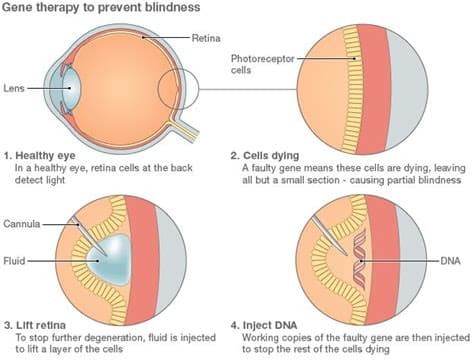
Regulatory cooperation becomes particularly important as advanced therapies become more complex. New treatments can involve sophisticated biological technologies, requiring regulators to exchange technical information and develop systems capable of assessing products that may not fit traditional pharmaceutical categories.
The relationship also extends beyond medicines. Food safety is part of the same regulatory landscape because processed food and other consumer products move through international supply chains. Stronger information sharing can help authorities identify risks and respond more quickly when concerns emerge.
For consumers, much of this work remains invisible. A person purchasing medicine or packaged food generally sees only the final product. Behind that purchase, however, regulators have to assess manufacturing standards, product documentation, safety data and compliance with national requirements.
The discussions between Indonesia and China therefore represent more than an administrative exchange. They reflect the increasingly international nature of healthcare and food supply chains, where products, ingredients, scientific information and manufacturing technologies cross borders regularly.
The cooperation remains under development, with authorities continuing discussions over regulatory frameworks and technical collaboration. Any renewed agreement would need to establish specific mechanisms for information sharing, oversight and cooperation between the relevant institutions.
For Indonesia and China, the objective is to create a stronger regulatory connection around products that directly affect public health. The work continues through discussions covering medicines, vaccines, natural products, cosmetics and food, with safety and quality remaining at the center of the process.
Image Disclaimer
These AI-generated visuals are conceptual representations of regulatory cooperation and healthcare research and are not real photographs.
Sources
ANTARA BPOM RRI Etana Biotechnologies Indonesia China National Medical Products Administration
Published by Banx Network. This article is part of the Banx decentralized media programme, powered by the BXE token on the XRP Ledger.