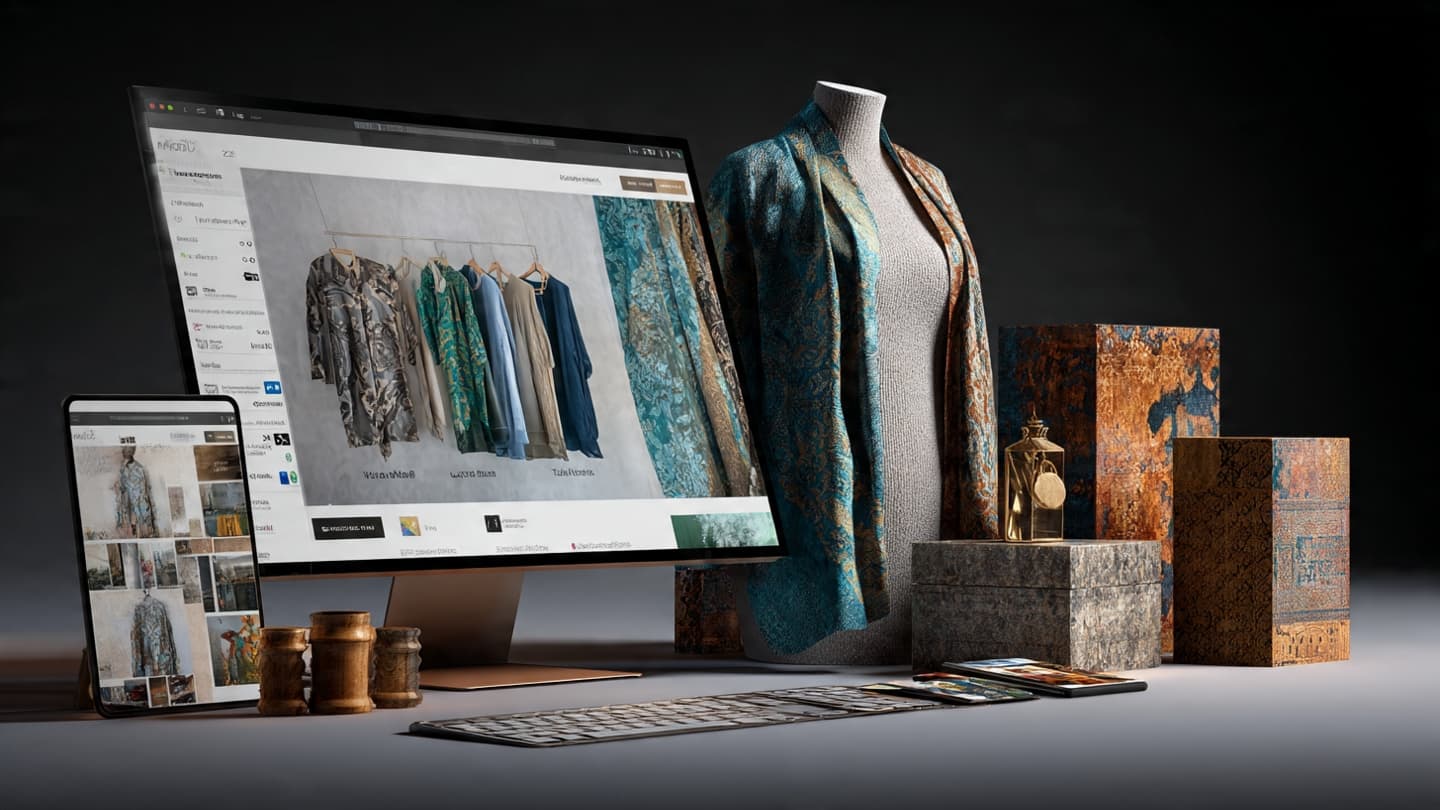
A handmade object begins in a small place: a workshop, a kitchen, a studio, perhaps a room where an idea slowly becomes something tangible. Its journey can once have depended heavily on physical stores and distant trade fairs. Increasingly, however, digital networks are creating another route, allowing Indonesian creative products to travel toward international markets before the products themselves cross the ocean.
Indonesia's Ministry of Creative Economy is strengthening cooperation with the World Intellectual Property Organization to help national creative products enter global markets through stronger intellectual-property systems. The collaboration was discussed in Jakarta on August 6, alongside preparations for the World Conference on Creative Economy 2026. (ekraf.go.id)
The emphasis on intellectual property reflects an important part of the creative economy. A design, brand, character, song or other creative work can become an economic asset when it is properly protected, valued and developed. The ministry and WIPO are exploring ways to strengthen that connection between creativity and commercial opportunity.
One initiative involves intellectual-property-based financing. The ministry is conducting a pilot project to assess intellectual property as an asset that can support access to financing, with a second phase scheduled to begin in August 2026. The concept could provide creative businesses with another route toward capital if their intellectual property can be appropriately assessed. (ekraf.go.id)
Digital channels are becoming equally important in reaching buyers. Indonesia's Trade Ministry reported that its online pitching and business-matching program generated nearly $135 million in realized and potential transactions during 2025. From January through April 2026, the program recorded approximately $107.34 million in transaction value. (en.antaranews.com)
The program uses Indonesia's network of trade representatives abroad to connect small and medium-sized businesses with potential buyers. Representatives can help assess products, explain destination-country requirements and guide businesses through certifications before business matching takes place.
That process changes the geography of trade. A small producer in Indonesia does not necessarily need to travel overseas simply to make an initial connection with an international buyer. A presentation can happen online, product information can cross borders digitally, and commercial discussions can begin before a physical shipment is arranged.
The creative economy ministry is also working with Indonesia's diaspora network to expand international market access. In early August, the ministry discussed the development of Diaspora Creative Hubs that could showcase Indonesian creative products and connect producers at home with Indonesians operating businesses abroad. (ekraf.go.id)
For creators, the combination of intellectual-property protection and digital market access can provide a more complete pathway. A product first needs to be developed, then protected and positioned, before it can be introduced to buyers beyond Indonesia. Each stage adds another layer to the journey from local creativity to international commerce.
The country's creative economy is already attracting substantial investment. ANTARA reported that creative-economy investment reached Rp183.01 trillion in 2025, up 32.23 percent, with digital applications among the largest investment categories. (en.antaranews.com)
The latest initiatives therefore reflect a broader shift in how Indonesia approaches creative products. The objective is not only to produce more goods, but to strengthen the systems around intellectual property, financing, digital promotion and international networks so that creative ideas can carry greater economic value.
For now, government agencies, international organizations and business networks are continuing to develop these channels. The movement from local workshops to global markets is becoming increasingly digital, allowing Indonesian creative products to begin their international journey through networks of data, intellectual property and human connections.
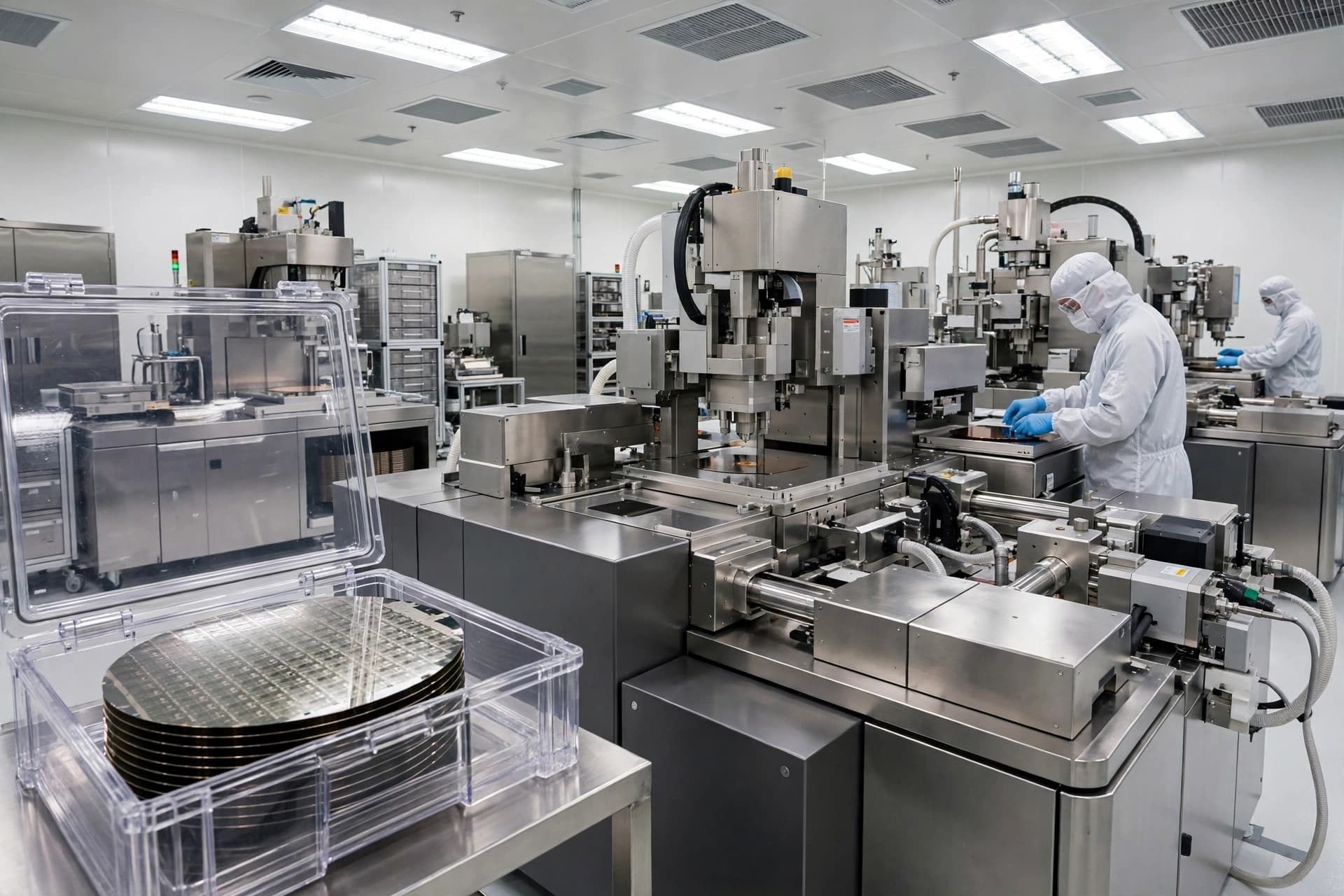
Image Disclaimer
The accompanying visuals are AI-generated conceptual illustrations and do not depict actual Indonesian businesses or commercial transactions.
Sources
Ministry of Creative Economy WIPO ANTARA Ministry of Trade Indonesian Diaspora Network Global
Published by Banx Network. This article is part of the Banx decentralized media programme, powered by the BXE token on the XRP Ledger.