In the depths of space, galaxies drift in silent majesty, bound by gravity yet vulnerable to forces beyond their control. The James Webb Space Telescope (JWST) has now provided a remarkable glimpse into the demise of Pablo’s Galaxy, revealing how a central black hole orchestrated a slow, inexorable end. Scientists describe it as “death by a thousand cuts”—a series of gradual, destructive processes that ultimately quenched star formation and transformed the galaxy’s structure.
The culprit is a supermassive black hole at the galaxy’s center, whose energy output affects the surrounding gas and dust. Intense radiation and outflows from the black hole heat or expel the gas necessary for star formation. Over millions of years, the galaxy’s capacity to birth new stars diminishes, leaving behind a stellar population aging in quiet isolation. Webb’s instruments detect the spectral signatures of these energetic outflows, mapping the impact of the black hole across vast regions of the galaxy.
These observations illustrate a broader phenomenon in astrophysics: black holes, though invisible, can profoundly shape the evolution of their host galaxies. The interplay between gravity, radiation, and matter is delicate; a slight imbalance can prevent the formation of new stars, altering the life cycle of the galaxy forever. Webb’s unprecedented sensitivity allows astronomers to study these processes in detail, tracing the mechanisms by which black holes regulate galactic ecosystems.
Beyond the technical insight, the story of Pablo’s Galaxy reminds us of the universe’s quiet drama. Stellar nurseries fade, clusters age, and cosmic structures evolve under forces both subtle and extreme. The telescope’s revelations offer not just data, but a narrative of transformation, showing that even in the cold vastness of space, life and death play out on scales both immense and meticulous.
In practical terms, the James Webb Space Telescope has observed how a supermassive black hole gradually suppressed star formation in Pablo’s Galaxy. By heating and expelling the galaxy’s gas, the black hole effectively ended its ability to create new stars, illustrating how black holes influence galactic evolution.
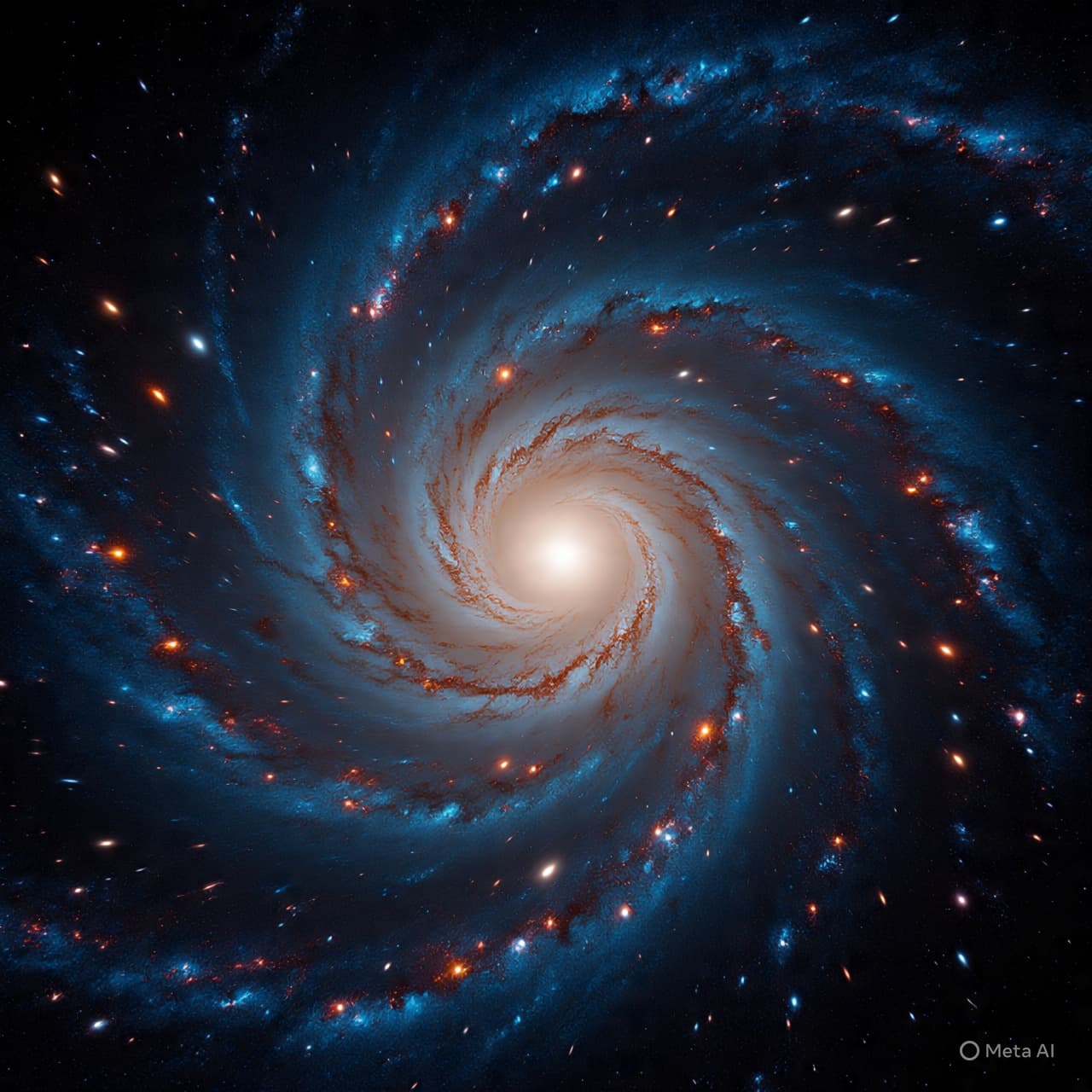
AI Image Disclaimer Visuals are AI-generated and serve as conceptual representations.
Sources (names only) NASA Space.com Nature Scientific American The Verge
Published by Banx Network. This article is part of the Banx decentralized media programme, powered by the BXE token on the XRP Ledger.