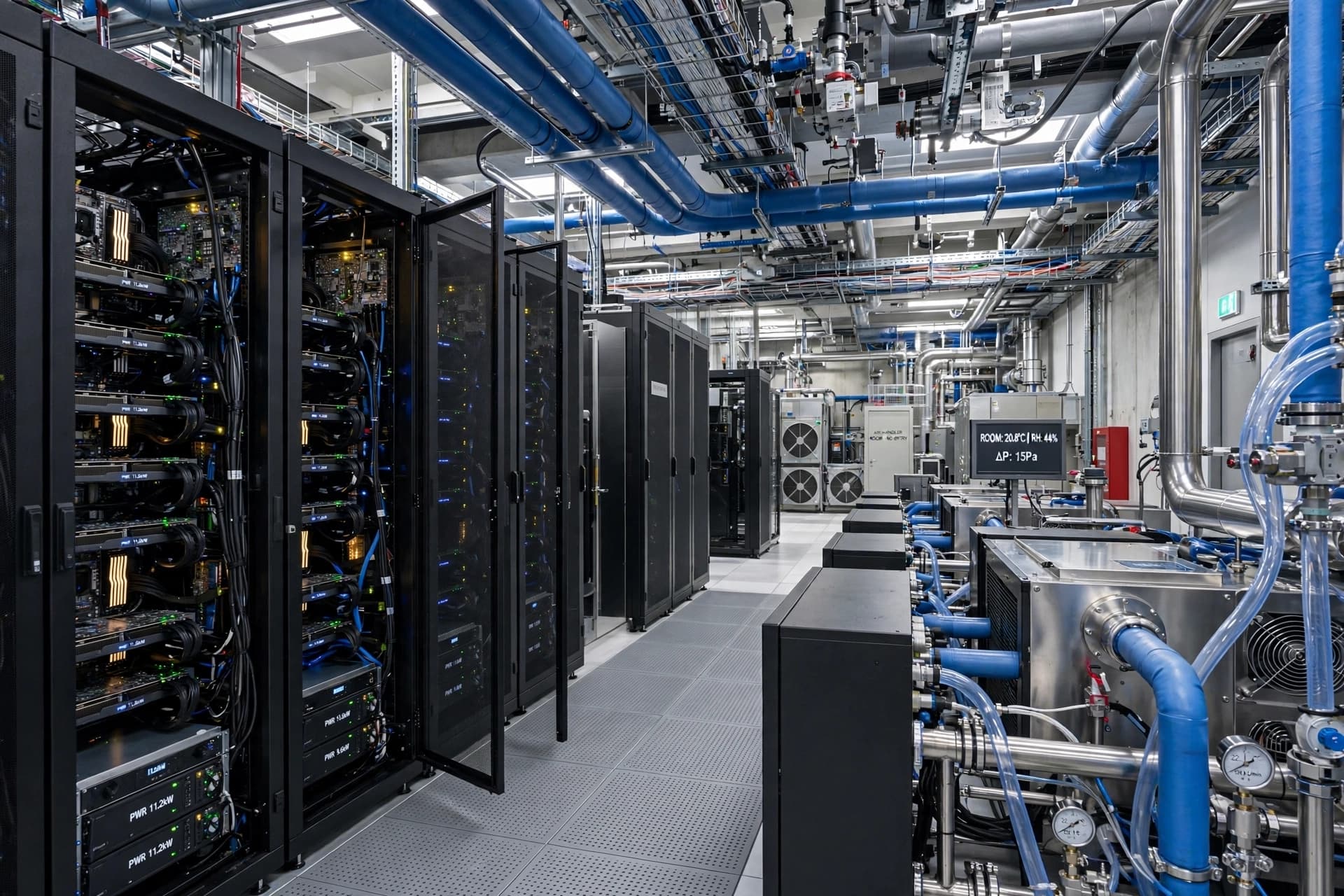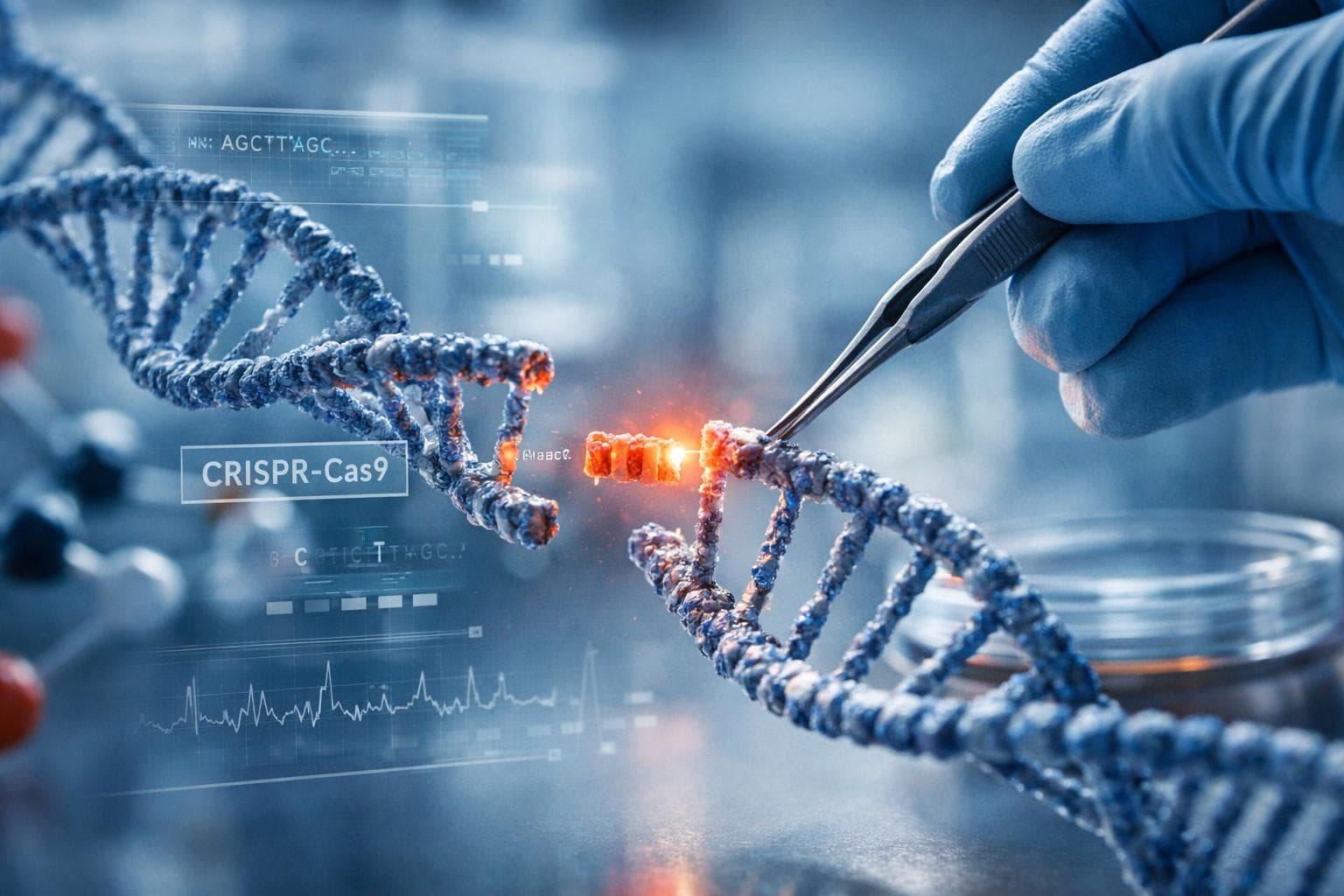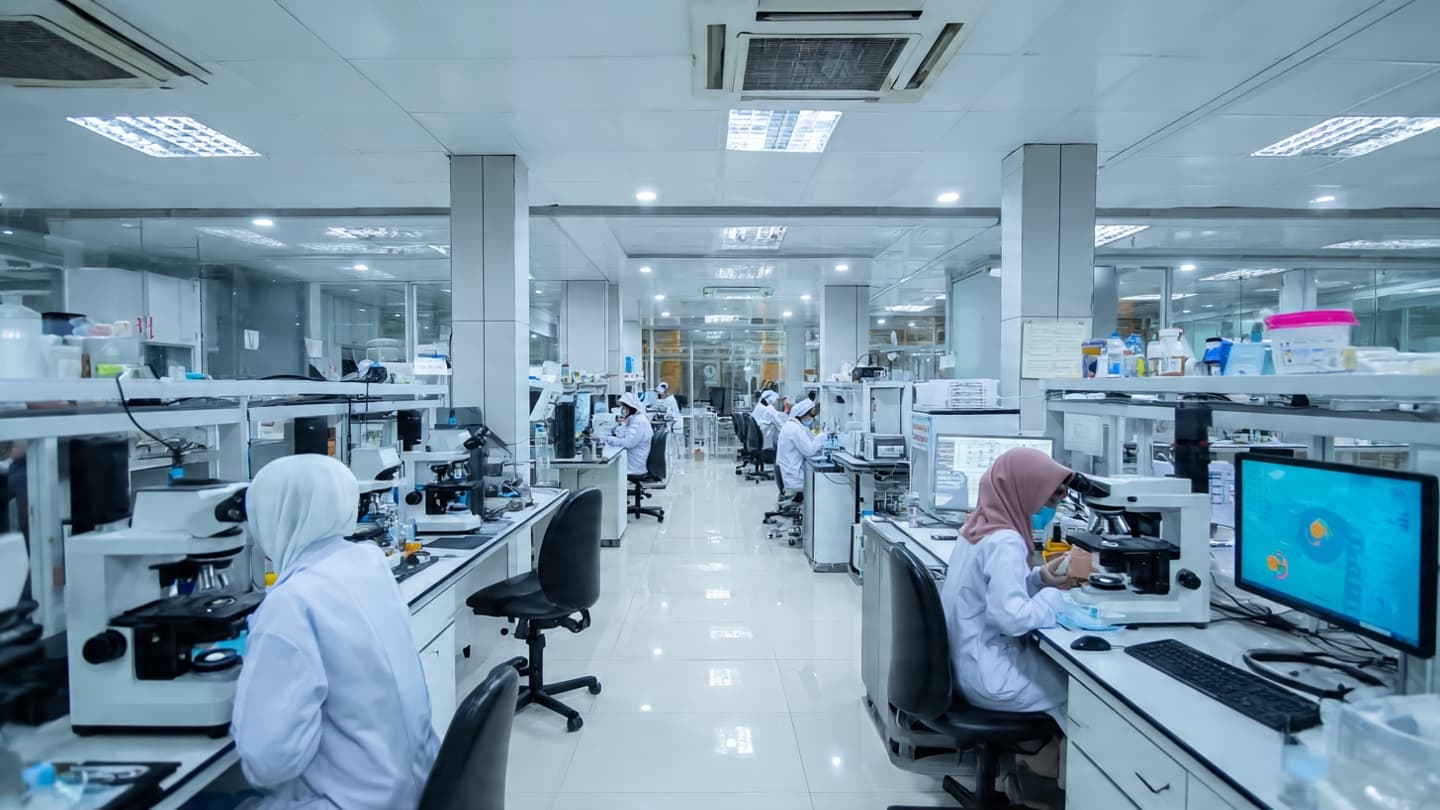
Inside a laboratory, change often begins at a scale too small for the human eye. A cell, molecule or strand of genetic material can become the starting point for technologies that eventually reach hospitals, farms and factories. Indonesia is increasingly placing attention on that microscopic frontier.
The country's biotechnology sector is being developed across several areas, including health, agriculture, food production and industrial applications. Government research institutions and universities are working to strengthen domestic capabilities and move scientific discoveries closer to practical use.
Biotechnology is a broad field. It includes techniques involving living organisms, cells and biological processes, ranging from the development of medicines to agricultural improvements and industrial production.
In healthcare, biotechnology can support the development of vaccines, diagnostics, biological medicines and other medical technologies. Building domestic research capacity can reduce dependence on imported technologies while strengthening Indonesia's scientific ecosystem.
Agriculture offers another major field of application. Researchers can explore biological methods for improving crops, developing more efficient cultivation techniques and managing agricultural challenges.
Food biotechnology is also becoming increasingly relevant as researchers investigate fermentation, alternative proteins and other biological processes that can be used in food production.
The industrial side can be less visible but equally important. Biological processes can be used to produce chemicals, materials and other products, potentially creating new manufacturing pathways.
Indonesia's biodiversity provides another reason for scientific interest. The archipelago contains a wide range of plant and microbial species that could become subjects of research, although scientific use must be accompanied by careful management and appropriate regulation.
Research infrastructure remains essential. Biotechnology requires laboratories, specialized equipment, skilled scientists, reliable funding and connections between universities and companies capable of commercializing discoveries.
That transition from laboratory research to commercial products can take years. A promising scientific result must pass through testing, development, regulation and manufacturing before it becomes something people can actually use.
International collaboration can help accelerate that process. Partnerships provide access to expertise, technology and research networks while allowing Indonesian institutions to develop their own capabilities.
For Indonesia, biotechnology therefore represents more than a single industry. It sits at the intersection of science, healthcare, agriculture, manufacturing and the country's broader ambition to develop higher-value economic activities.
The path forward will depend on sustained investment and the ability to connect research institutions with industry. But beneath the quiet work of laboratories, a larger scientific landscape is taking shape—one in which biological knowledge increasingly becomes part of Indonesia's technological future.
Image Disclaimer
These illustrations were generated using AI and are conceptual representations of biotechnology research in Indonesia, not photographs of real laboratories or experiments.
Sources
BRIN Ministry of Health of Indonesia Ministry of Agriculture of Indonesia World Health Organization Asian Development Bank
Published by Banx Network. This article is part of the Banx decentralized media programme, powered by the BXE token on the XRP Ledger.