
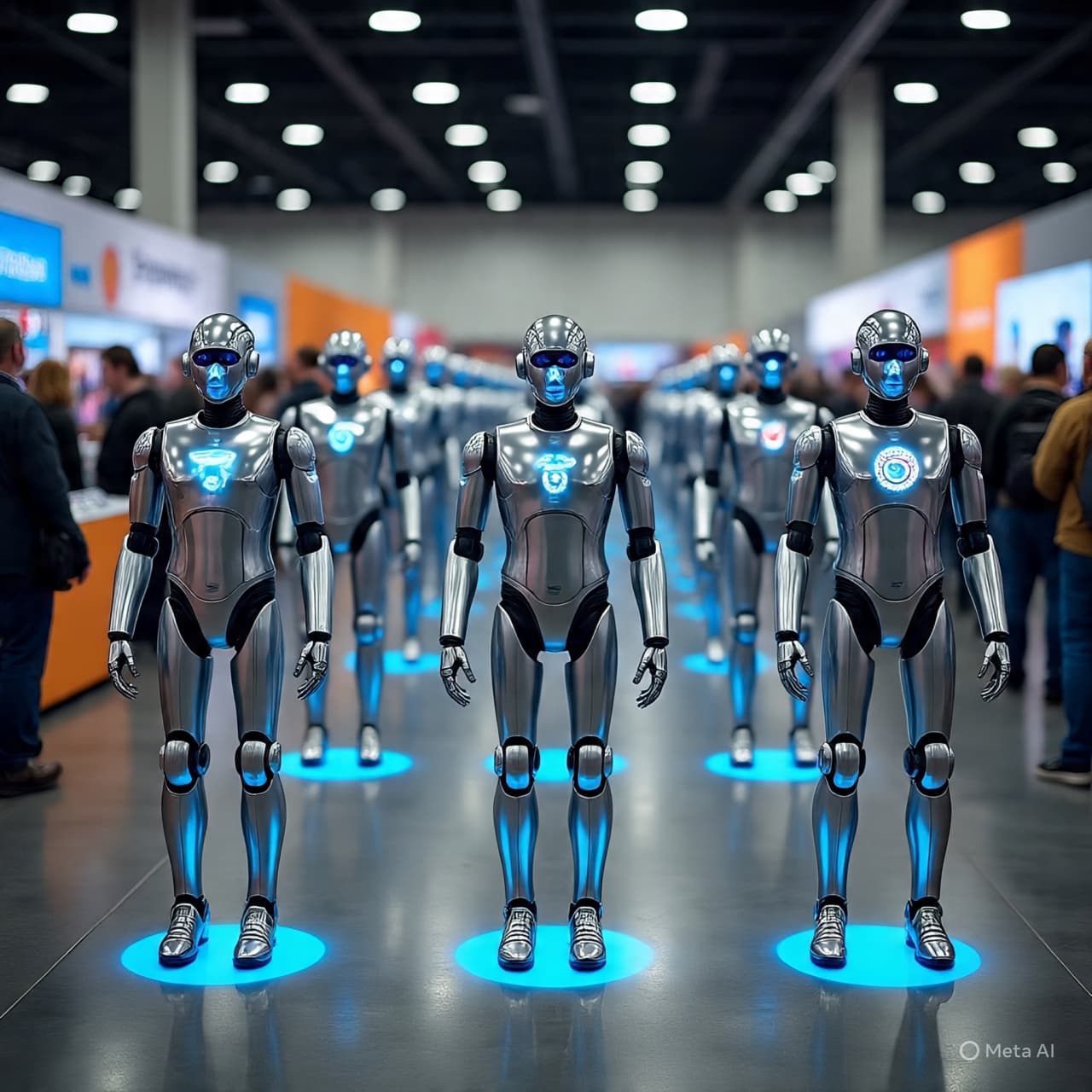
There is a subtle tension in the air across China’s robotics labs and investor boardrooms — like a gentle hum at dawn before a storm. What began as hopeful promise — a surge of innovation, ambition and metallic limbs rising in workshop after workshop — now stirs unease. Among the gleam of servo-motors, lifelike joints, and the hum of server racks, a question echoes: when does hope turn into hype?
China’s top economic planner has publicly cautioned that the booming humanoid-robotics industry may be at risk of swelling into a bubble. The warning — unusual in its frankness — comes at a time when more than 150 companies in China are building humanoid robots, competing to deliver machines that walk, gesture, and perhaps one day, act autonomously.
What underlies the caution is a fear: that many of these companies are producing highly similar robots, flooding the market with near-identical machines rather than distinctive, innovative solutions. Regulators argue this surge of repetition may crowd out resources for real research and development.
Indeed, just months ago, the industry appeared poised for a leap forward: in 2025 alone, dozens of new humanoid robots were unveiled, some designed for industrial use, others for service roles — a sign that China is pushing hard to move from prototypes and showcases toward large-scale commercial use.
Yet the question remains: how many of these machines will find real utility? Despite heavy investment and high visibility, widespread everyday adoption — in factories, homes, or public services — is still uncertain. The rapid proliferation of companies risks creating an oversupply of similar products before a sustainable demand base is firmly established.
In response, the NDRC has proposed measures: encouraging consolidation among firms, promoting research-sharing and technological cooperation, and establishing clearer standards for market entry and exit. The hope is to steer the sector toward long-term innovation instead of short-term gains.
For now, the warning serves as a gentle but sharp reminder: that even in the age of robotics and artificial intelligence, growth must be tempered with care. The buzz of excitement must not drown out the quiet voice of prudence.
As China navigates this emerging frontier, the path will need more than ambition and capital. It will require patience, purpose, and the wisdom to turn machines from dazzling prototypes into meaningful tools.
AI image disclaimer : Visuals were produced with AI tools and are intended for conceptual representation, not real photographs.
Sources Bloomberg Reuters The Verge IndexBox Market Intelligence Cryptonomist
Published by Banx Network. This article is part of the Banx decentralized media programme, powered by the BXE token on the XRP Ledger.


.jpg&w=3840&q=75 "The Artemis Revolution: How NASA Plans to Build Humanity's Future on the Moon")