
Key Highlights
- Industry Growth:Over 150 companies in China are developing humanoid robots.
- Regulatory Concerns:The NDRC warns of potential market oversaturation.
- Future Outlook:The need for innovation and consolidation in the robotics sector is emphasized.
China's robotics landscape is currently experiencing a significant surge, with over 150 companies racing to develop humanoid robots. This rapid expansion has sparked both excitement and concern, as the nation's top economic planner, the National Development and Reform Commission (NDRC), has issued a cautionary note regarding the potential for a market bubble. The NDRC's warning highlights the delicate balance between innovation and market saturation, raising questions about the sustainability of this burgeoning industry.
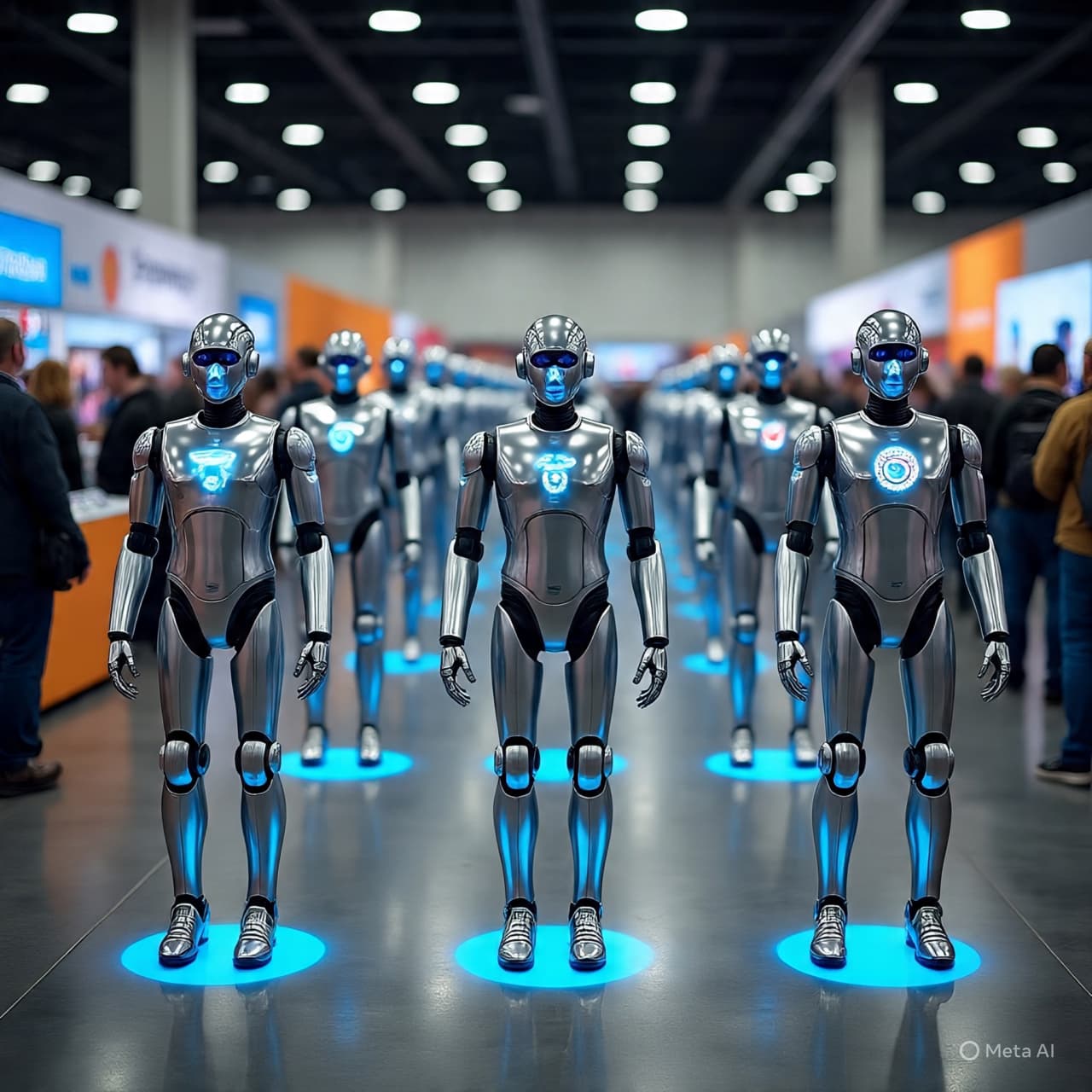
The humanoid robotics sector in China has seen remarkable advancements, with numerous companies unveiling new models designed for various applications, from industrial tasks to service roles. However, the NDRC's concerns stem from the observation that many of these robots are strikingly similar, leading to fears of a crowded market filled with indistinguishable products. This phenomenon could divert resources away from genuine research and development, ultimately stifling true innovation.
In 2025, the industry appeared poised for a breakthrough, with a wave of new humanoid robots showcased at various events. These machines, equipped with advanced features such as lifelike movements and autonomous capabilities, signify China's ambition to transition from mere prototypes to commercially viable products. Yet, despite the enthusiasm surrounding these developments, the question remains: how many of these robots will find practical applications in everyday life?
The NDRC's warning serves as a crucial reminder that while the excitement surrounding humanoid robots is palpable, it must be tempered with caution. The rapid influx of companies into the market risks creating an oversupply of similar products, potentially outpacing the establishment of a solid demand base. As a result, the NDRC has proposed several measures aimed at fostering a healthier industry environment. These include encouraging consolidation among firms, promoting collaborative research efforts, and establishing clearer standards for market entry and exit.
The path forward for China's humanoid robotics industry will require more than just ambition and investment. It will necessitate a strategic approach that prioritizes long-term innovation over short-term gains. As the sector evolves, stakeholders must remain vigilant, ensuring that the buzz of excitement does not overshadow the need for prudent decision-making.
In conclusion, as China navigates this complex landscape of robotics and artificial intelligence, the focus must shift from merely creating impressive prototypes to developing meaningful tools that can enhance everyday life. The journey ahead will demand patience, purpose, and a commitment to genuine innovation.
Published by Banx Network. This article is part of the Banx decentralized media programme, powered by the BXE token on the XRP Ledger.



