
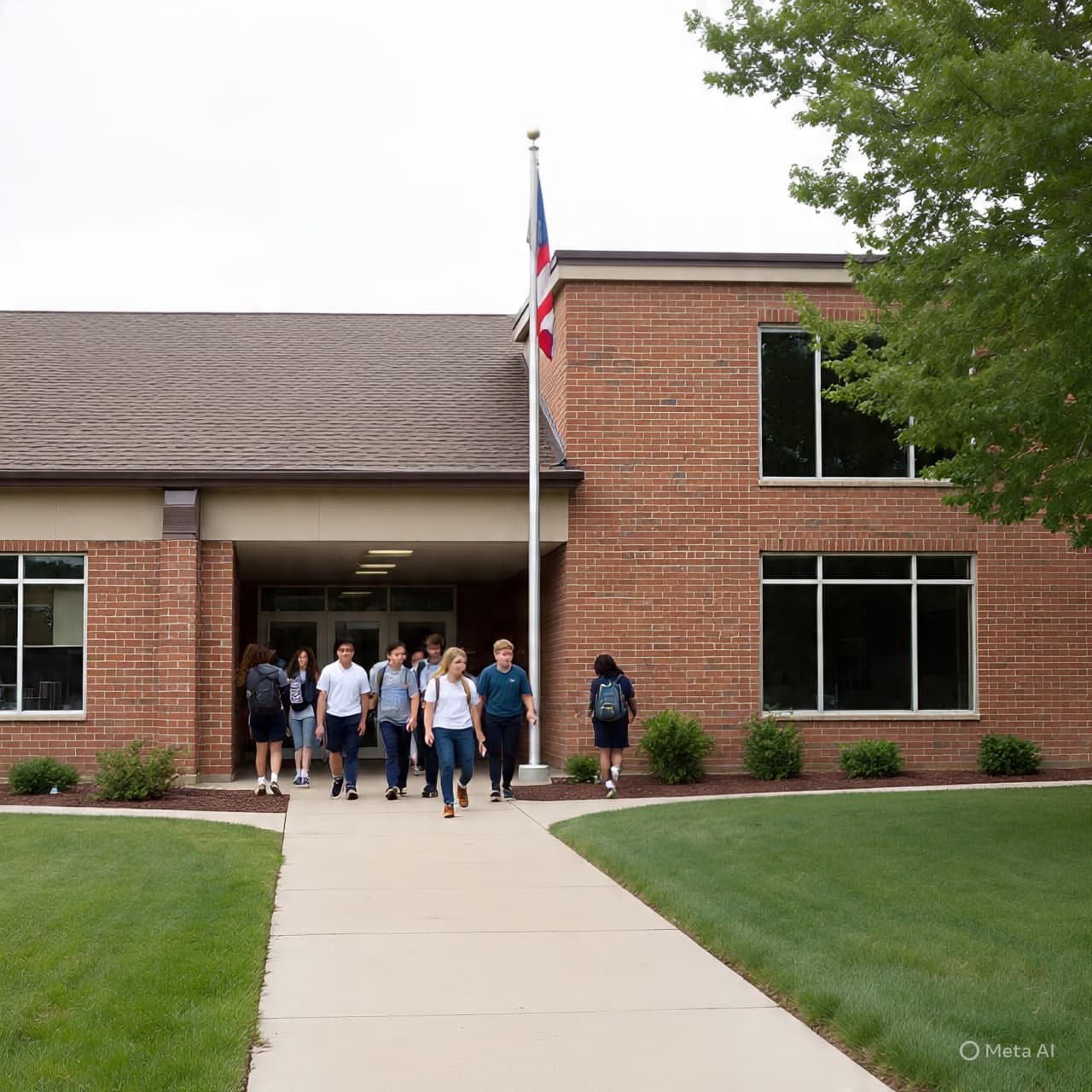
In a classroom or on a playground, a cough might seem like just another sound of childhood — a fleeting interruption to play or study. But at times, that familiar noise can signal something more, a ripple that travels through a community more quickly than most of us realize. In Broomfield, Colorado, health officials are now raising just such a signal after a third confirmed measles case connected to local schools triggered an official outbreak declaration this week.
State and local public health authorities said Wednesday that the third infection — involving an unvaccinated child who is a known contact of earlier cases tied to Broomfield High School — fulfills the epidemiological definition of a measles outbreak. The Colorado Department of Public Health and Environment and Adams County Health Department confirmed the case, and public health teams are working to trace other potential exposures and alert those who may have been at risk.
Measles, a highly contagious viral disease, can spread through direct contact or even lingering airborne droplets when an infected person breathes, coughs or sneezes near others. The illness often begins like a common cold — with fever, cough, runny nose and red, watery eyes — but later develops a distinctive rash that typically starts on the face and spreads across the body, often several days after the first symptoms appear.
Officials say the Broomfield cluster has so far affected at least three children, all unvaccinated, with exposures reported in several locations including Broomfield High School, Broomfield Heights Middle School and community spaces during mid‑ to late February. Public health investigators have identified possible exposure windows extending into the first half of March and are urging anyone who was in those areas to watch for symptoms for up to 21 days after potential exposure.
Because measles is so transmissible — it can linger in the air for up to two hours after an infected person leaves a space — public health officials emphasize the importance of vigilantly monitoring for signs of illness. Unvaccinated individuals, young children, pregnant people and those with weakened immune systems are particularly vulnerable to complications, which can include ear infections, pneumonia and in rare cases swelling of the brain.
In response to the outbreak, the Boulder Valley School District has taken steps such as excluding unvaccinated students and staff from campuses for the duration of exposure risk, a public health measure intended to limit further spread. Officials noted that students who have received recommended measles, mumps and rubella (MMR) vaccinations and are symptom‑free may continue attending school.
The resurgence of measles cases in Colorado this year reflects broader national trends. In 2026, the United States has reported more than a thousand confirmed cases across multiple states, the majority associated with outbreaks, according to federal data. Public health experts point to declining vaccination coverage and travel‑related introductions of the virus as key factors driving these increases.
Vaccination remains the most effective way to prevent measles. People who are not up to date with their MMR vaccine — particularly children and adults with uncertain immunity — are encouraged to talk with their health care providers about vaccination. In some cases, immunization soon after exposure may lessen disease severity or prevent illness if given within a few days of contact with the virus.
Communities with outbreaks often see layered responses from health departments, including contact tracing, exposure notifications and recommendations for isolation or exclusion during the contagious period. These measures aim to protect those at greatest risk and to interrupt chains of transmission before they expand further.
For now, officials continue to monitor the situation in Broomfield, working with schools and local partners to keep families informed, encourage vaccination, and reduce onward spread. In an increasingly interconnected world, a few linked cases can quickly become a broader public health concern — reminding us how familiar spaces like schools and community centers can become sites of both learning and vigilance.
AI Image Disclaimer Visuals are created with AI tools and intended for representation, not reality.
Sources US local reporting: 9News CBS News Colorado The Denver Gazette CPR News Colorado Newsline
Published by Banx Network. This article is part of the Banx decentralized media programme, powered by the BXE token on the XRP Ledger.


.jpg&w=3840&q=75 "Qantas Grounds Plane After Passengers Report Bedbug Bites")