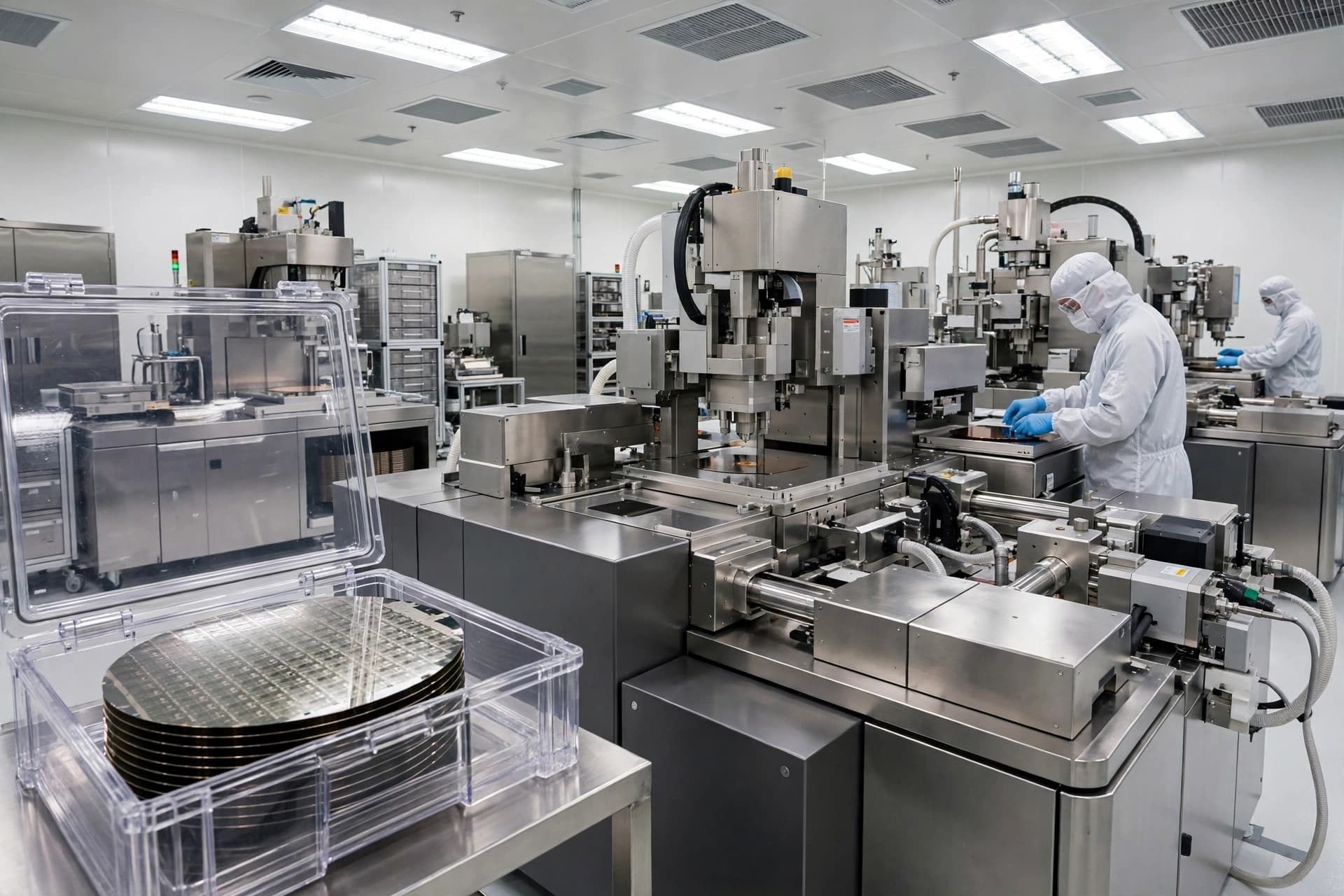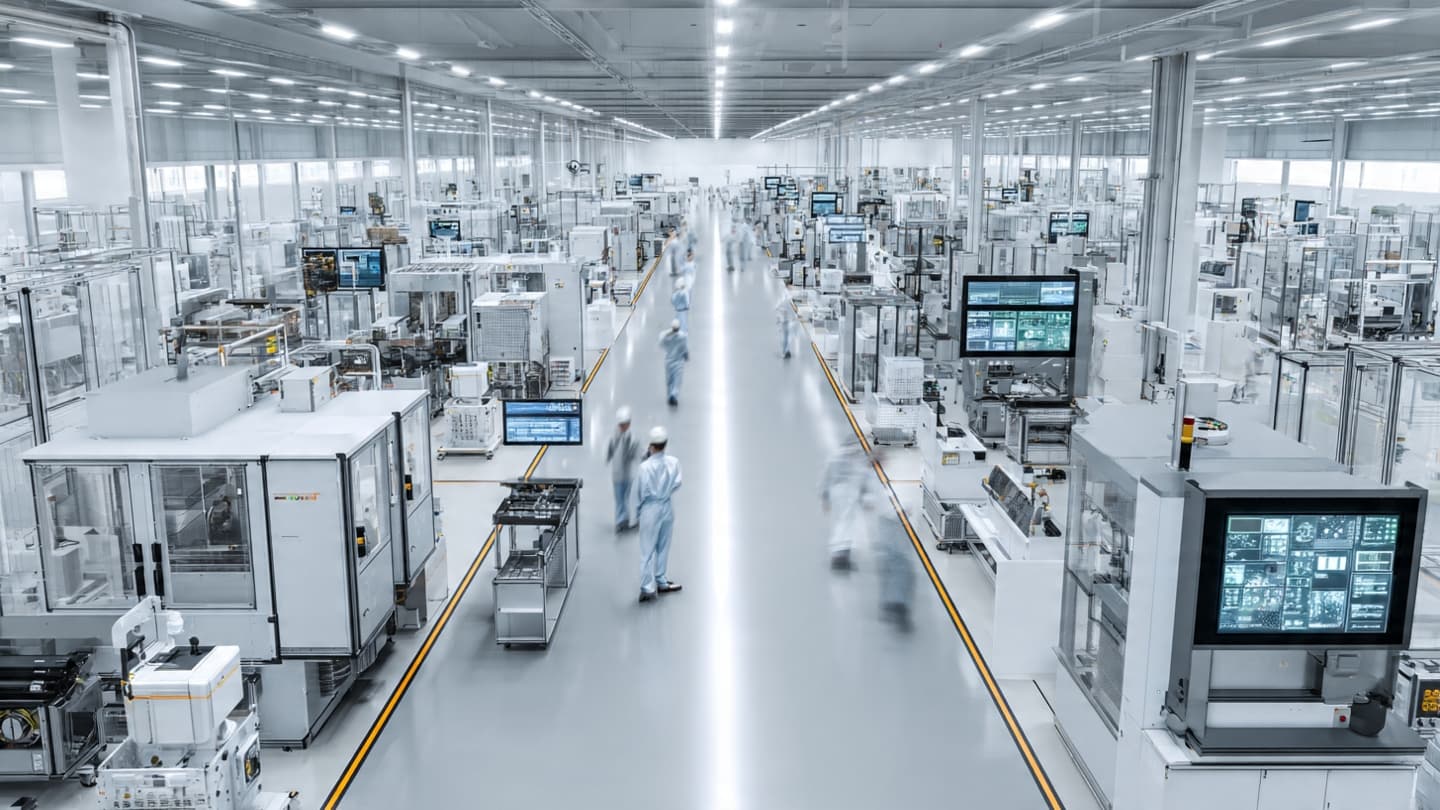
Inside Japan’s manufacturing centers, a new relationship between people and machines is taking shape. Robots are no longer only performing repetitive movements; they are becoming increasingly capable partners within modern production systems.
Japanese robotics companies are expanding the use of artificial intelligence across manufacturing sectors. The combination of robotics and AI is helping factories improve efficiency, accuracy, and flexibility.
Japan has been a global leader in robotics for decades, particularly in automotive and electronics industries. Today, AI technology is adding new possibilities by allowing machines to analyze data and adjust operations.
Manufacturers are investing in intelligent robots to address labor shortages and maintain competitiveness. These systems can support workers by handling complex or repetitive tasks.
The development of AI-powered robotics is also changing factory environments. Production lines are becoming more connected, with machines communicating through advanced digital networks.
Reuters and Financial Times have reported that Japanese industries continue increasing automation investment as companies seek solutions for changing workforce conditions.
The expansion of robotics reflects Japan’s broader approach to combining technological innovation with industrial experience. Human knowledge remains central, while machines provide new capabilities.
As factories evolve, Japan’s robotics sector continues shaping the future of manufacturing across Asia and beyond.
AI Image Disclaimer Illustrations were created using AI tools and are not real photographs.
SEO Slug japan-ai-robotics-expansion-manufacturing-industry
Hashtags #Japan #Robotics #AI #Manufacturing #Automation #Technology
Sources Reuters Financial Times Nikkei Asia
Published by Banx Network. This article is part of the Banx decentralized media programme, powered by the BXE token on the XRP Ledger.