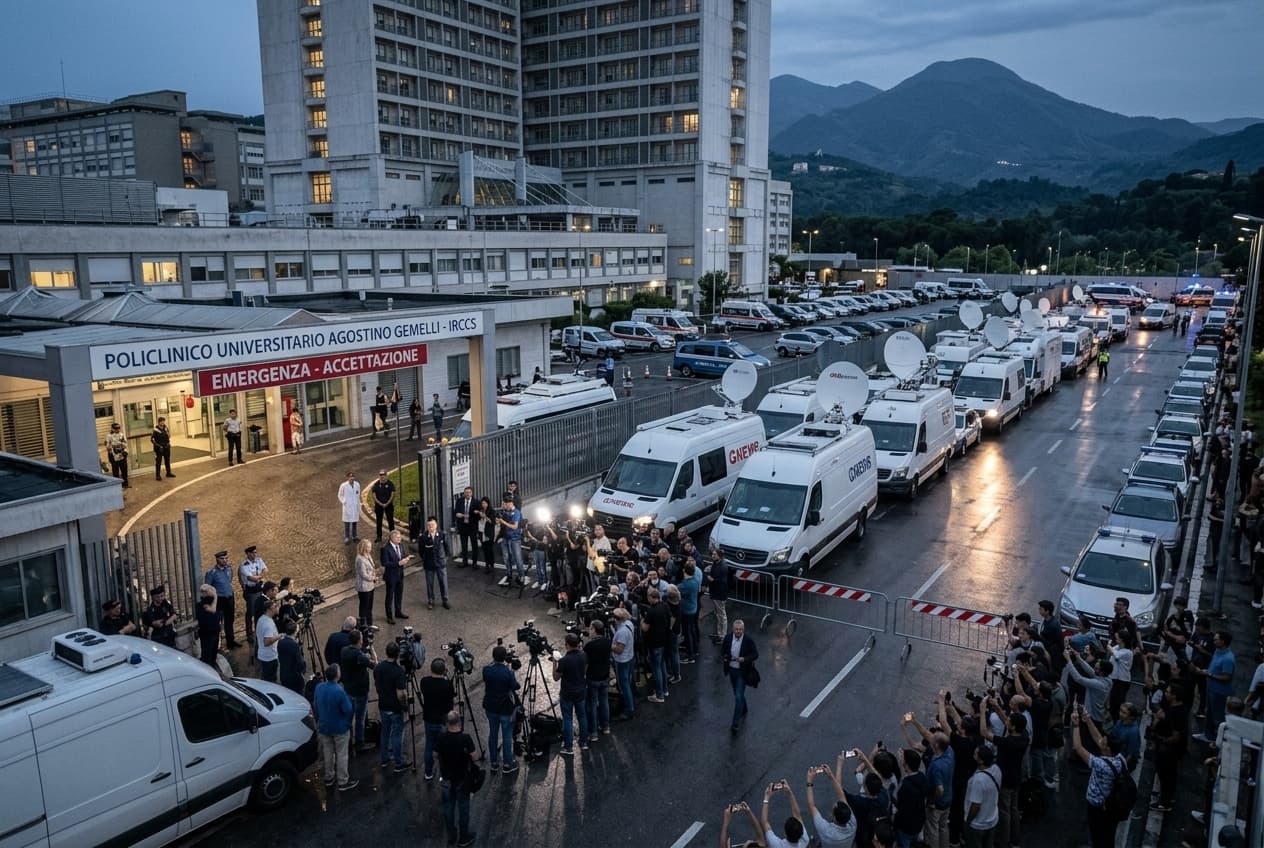
Healthcare is a reflection of a nation’s ability to care for its people. Across Indonesia’s islands, medical systems continue evolving as communities face changing health needs and new challenges.
Population growth, lifestyle changes, and technological developments have encouraged healthcare institutions to seek more flexible approaches. Modern medicine is increasingly connected with research, digital tools, and preventive strategies.
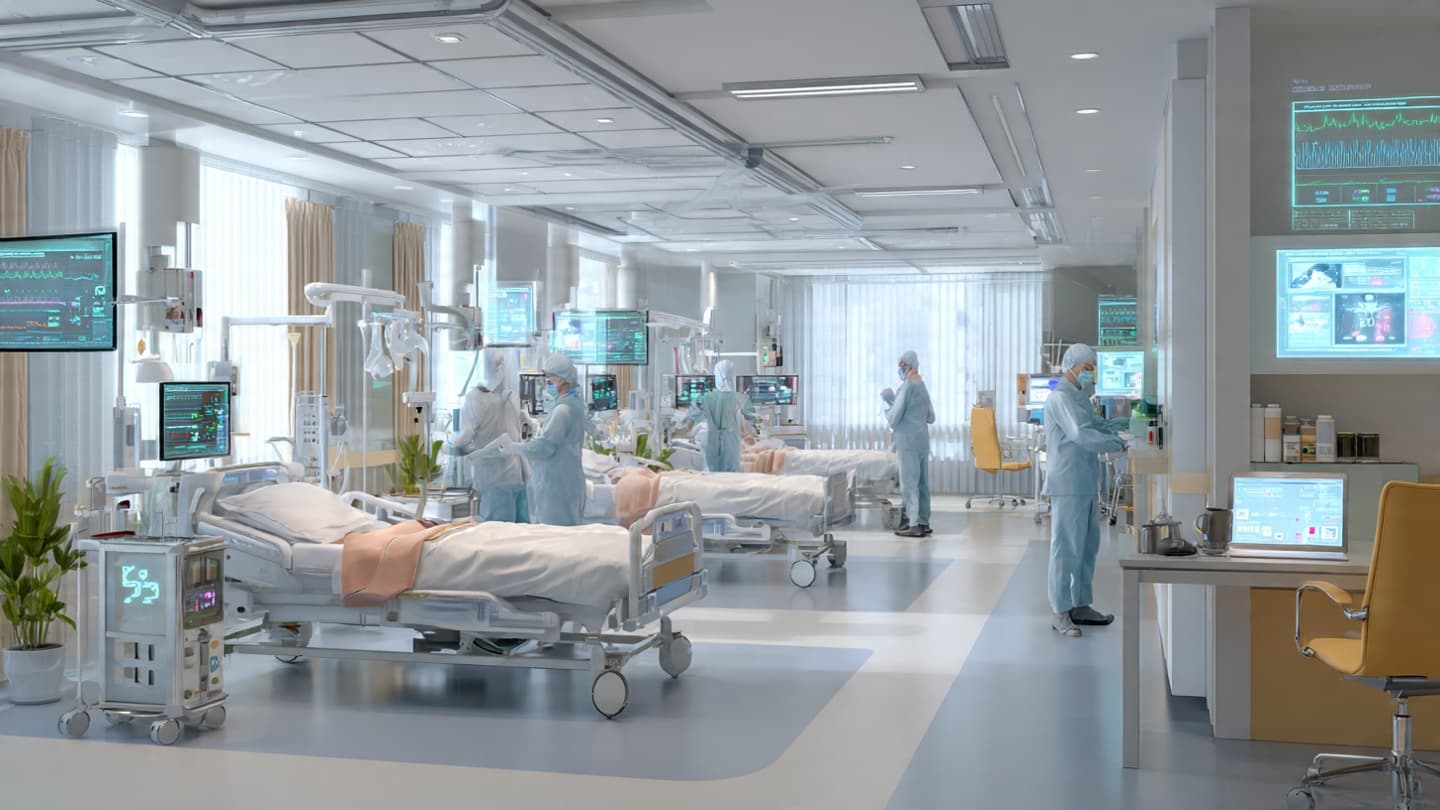
Hospitals and medical centers continue improving services through updated facilities and professional training. These developments aim to strengthen healthcare access across different regions.
Technology has become an important part of this transformation. Digital records, remote consultations, and data systems are changing how healthcare services are delivered.
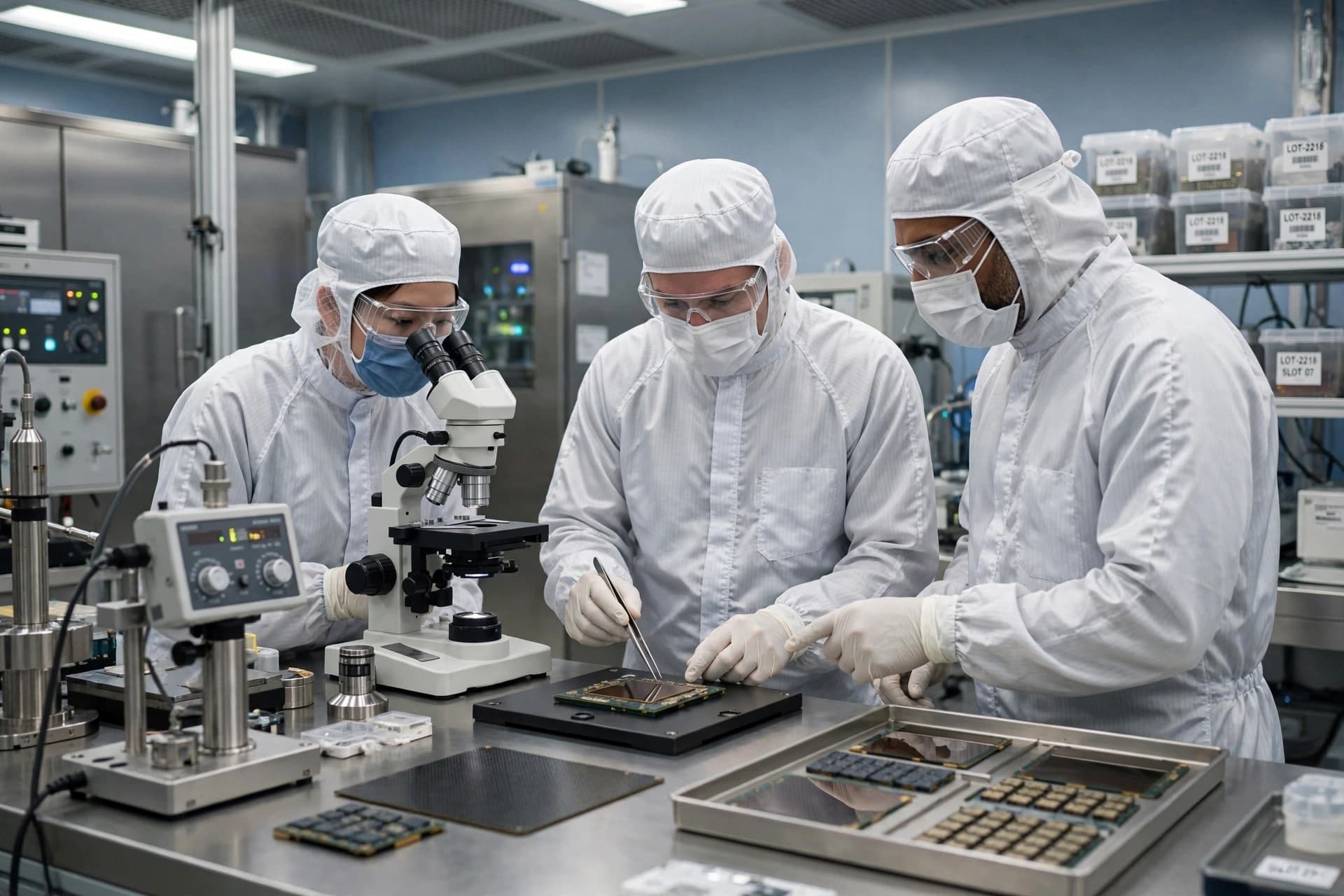
Research institutions are also contributing through studies in medicine, public health, and disease prevention. Scientific collaboration continues supporting improvements in healthcare quality.
Indonesia’s healthcare development reflects global trends where countries are searching for systems that are more accessible and resilient.
Challenges remain, particularly in ensuring equal healthcare opportunities across urban and rural areas. Geography continues to influence how services reach communities.
Progress often happens through gradual improvements, from better equipment to stronger health education.
As Indonesia continues developing its healthcare landscape, science and human connection remain at the center of the journey.
AI Image Disclaimer Illustrations were created using AI tools and are not real photographs.
Sources
World Health Organization Ministry of Health Indonesia World Economic Forum ANTARA News
Published by Banx Network. This article is part of the Banx decentralized media programme, powered by the BXE token on the XRP Ledger.