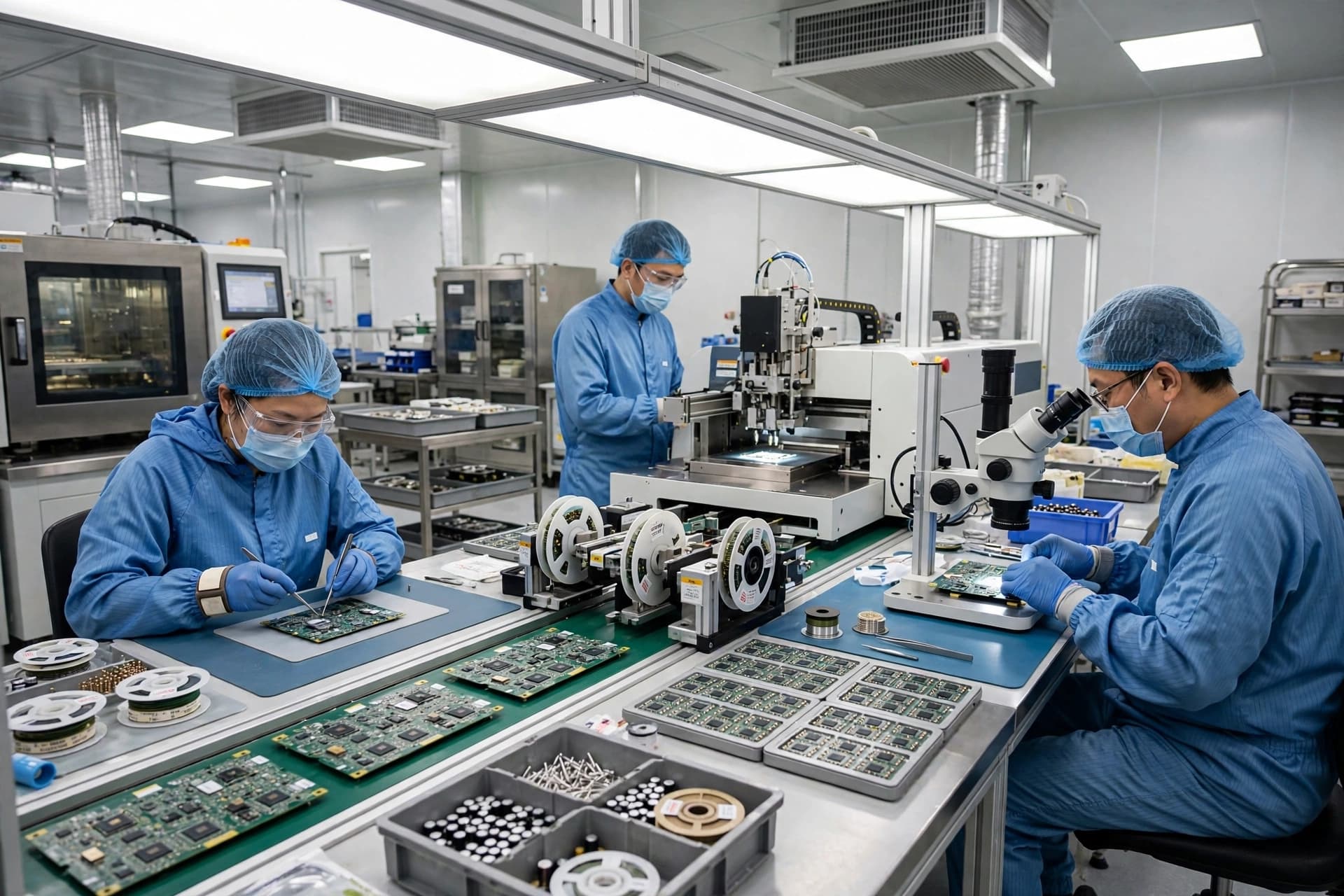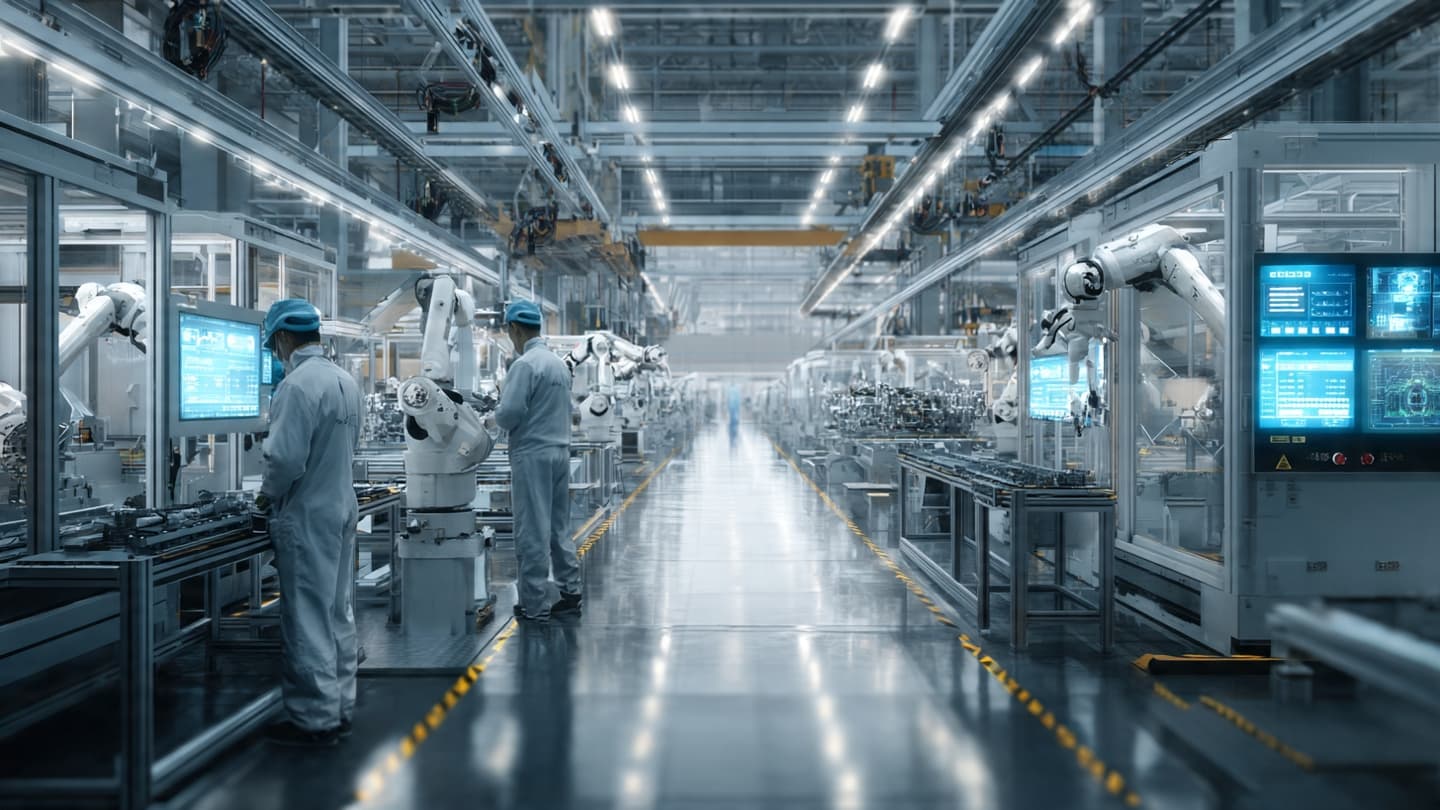
Inside Japan’s factories, a quiet transformation is taking place. Machines are becoming more intelligent, systems are becoming more connected, and industries are searching for new ways to maintain productivity in a changing workforce environment.
Japanese manufacturers are increasing investment in artificial intelligence and automation technologies to address labor shortages. The movement reflects a broader effort to combine human expertise with advanced digital tools.
Automation has long been part of Japan’s industrial identity, particularly in automotive and electronics manufacturing. Today, AI is adding new capabilities by allowing machines to analyze information, adapt processes, and improve efficiency.
Companies are exploring AI-powered robots, smart production lines, and automated inspection systems. These technologies are designed not only to increase output but also to support workers in complex manufacturing environments.
The challenge of maintaining skilled labor availability has encouraged businesses to search for innovative solutions. Japan’s aging workforce has become one factor accelerating interest in advanced automation.
Technology analysts note that AI-driven manufacturing could influence industries beyond factories. Logistics, healthcare equipment, and service sectors are also exploring similar applications.
Investment in automation reflects Japan’s broader strategy to remain competitive in global manufacturing. By combining traditional engineering expertise with emerging technologies, companies hope to build more flexible production systems.
Reuters and Financial Times have reported that Japanese companies continue increasing AI and automation investment as industries adapt to demographic and economic changes.
AI Image Disclaimer Illustrations were created using AI tools and are not real photographs.
SEO Slug japan-ai-automation-investment-manufacturing-labor-shortage
Hashtags #Japan #AI #Automation #Manufacturing #Technology #Robotics #Innovation
Sources Reuters Financial Times Nikkei Asia
Published by Banx Network. This article is part of the Banx decentralized media programme, powered by the BXE token on the XRP Ledger.