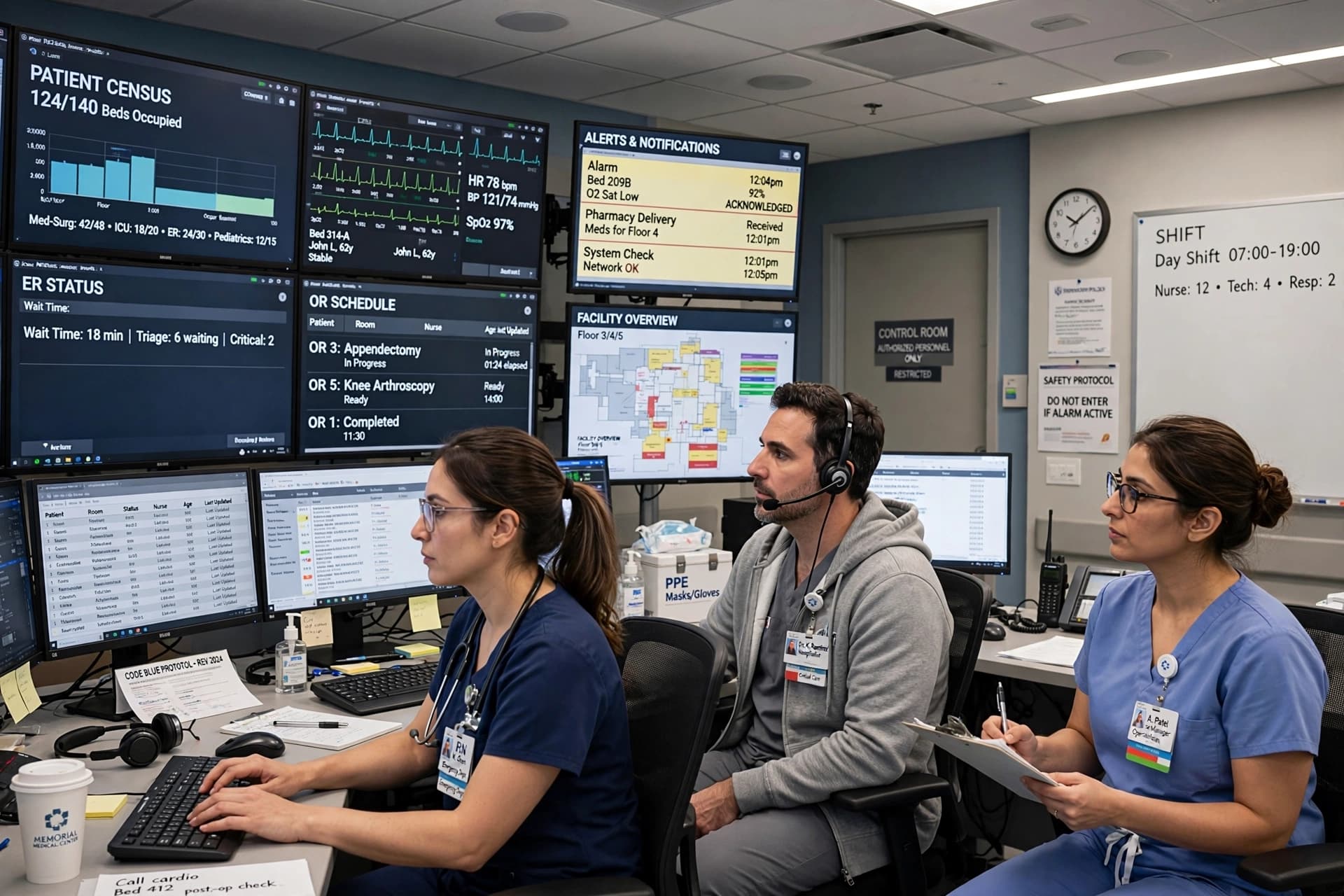
A modern hospital is filled with machines that can be seen and systems that cannot. Behind patient records, treatment schedules and clinical decisions sits another layer of infrastructure, where software quietly connects information across the healthcare environment.
Solventum, a major provider of healthcare products and sterilization equipment, announced plans to separate its health information-systems business as part of an ongoing restructuring strategy. The company also raised its profit forecast, according to Reuters.
The decision reflects the growing importance of software within healthcare. Hospitals increasingly depend on digital systems to organize information, manage clinical operations and connect different parts of the patient-care process.
Health information systems can include software used for clinical documentation, data management and other administrative functions. Although these systems may operate behind the scenes, their influence reaches into many everyday hospital activities.
For healthcare companies, separating a software division can allow management to focus more clearly on different parts of the business. Physical medical products and digital information systems operate with different commercial models, development cycles and customer requirements.
Solventum's broader business includes products used in hospitals, including medical consumables and sterilization equipment. Its decision to restructure the software operation therefore represents a shift within a company that already operates across several parts of the healthcare system.
The move also comes as healthcare providers face pressure to improve efficiency. Hospitals must manage large volumes of information while maintaining clinical quality, regulatory compliance and financial discipline.
Software can help organize those demands, but digital transformation requires more than simply purchasing new systems. Hospitals need compatible infrastructure, trained personnel and reliable data practices to make technology useful in daily operations.
The separation of Solventum's information-systems business may allow that unit to pursue its own technology strategy while the remaining company concentrates on its core healthcare products. The final structure and execution will determine how the change affects customers and investors.
For the wider healthcare technology industry, the development reflects a continuing shift toward specialized businesses. Digital systems are becoming sufficiently important to healthcare that software operations can represent distinct strategic assets rather than simply supporting traditional medical-product businesses.
Solventum's planned separation and revised profit forecast provide another example of that transition. As hospitals become increasingly dependent on digital information, the software infrastructure behind medical care continues to develop alongside the physical equipment found inside clinics and hospitals.
AI Image Disclaimer: These illustrations were created using AI tools to represent healthcare software environments and are not photographs of actual Solventum facilities.
Sources: Reuters Solventum
Published by Banx Network. This article is part of the Banx decentralized media programme, powered by the BXE token on the XRP Ledger.